
Leo: The Unexpected Service Dog Success
A Different Kind of Help
Leo began his journey as a service dog prospect, but quickly showed he wasn’t a typical trainee. The program aimed to mold him into an assistance animal, but his spirited personality presented challenges. This is the story of how one dog defied expectations and found his true calling.
Latest news
 Rescue Dog Shows Gratitude to Every Person Helping Her Heal
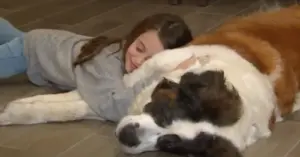 Family Adopts Terminally Ill St. Bernard After Her Human Passes Away
 Neighbors Take Action After Town Ignores Abused Dog
 Retired Firefighter Reunited with Lost Dogs During Live Interview
Leo entered service dog school full of potential. However, he struggled with the rigid structure and precise commands. Trainers noted his boundless energy and strong will, traits that often led him astray during lessons. He wasn’t failing exactly, but he wasn’t thriving in the traditional sense. He simply wasn’t responding to training as expected.
The staff recognized Leo’s unique qualities weren’t suited for typical service work. He wasn’t ignoring commands out of disobedience, but rather following his own instincts. He wasn't built for tasks requiring strict adherence to routines. They realized his strengths lay elsewhere – in providing emotional support and companionship.
Could Leo's Approach Change Training?
This realization led to a change in approach. Instead of forcing him into a mold, they embraced his natural tendencies. Leo excelled at offering comfort and joy to people, particularly those struggling with emotional difficulties. He became a morale booster, a furry friend who could brighten anyone's day. His independent spirit, once a hindrance, became his greatest asset.
Leo’s story challenges conventional thinking about service animal training. It suggests that not every dog needs to fit a specific mold to be profoundly helpful. Perhaps focusing on a dog's inherent strengths, rather than trying to correct perceived weaknesses, could unlock even greater potential. This isn't about lowering standards, but about recognizing diverse abilities.
Frequently Asked Questions
His success demonstrates the importance of adaptability in training programs. Rigid structures don’t work for every dog. Recognizing individual personalities and tailoring training accordingly could lead to more effective outcomes. Leo proved that sometimes, the best help comes from a dog who simply is himself. He became the very best boy, not by conforming, but by being uniquely Leo.
What kind of work does Leo do now? Leo now focuses on providing emotional support and companionship. He brings joy and comfort to people, acting as a morale booster and a friendly presence. He doesn't perform traditional service tasks like guiding or alerting.
Was Leo considered a failure when he didn't complete the program? Not at all. Trainers realized Leo’s skills were better suited for a different kind of service. They adapted his training to match his strengths, leading to a fulfilling role for both him and those he helps.