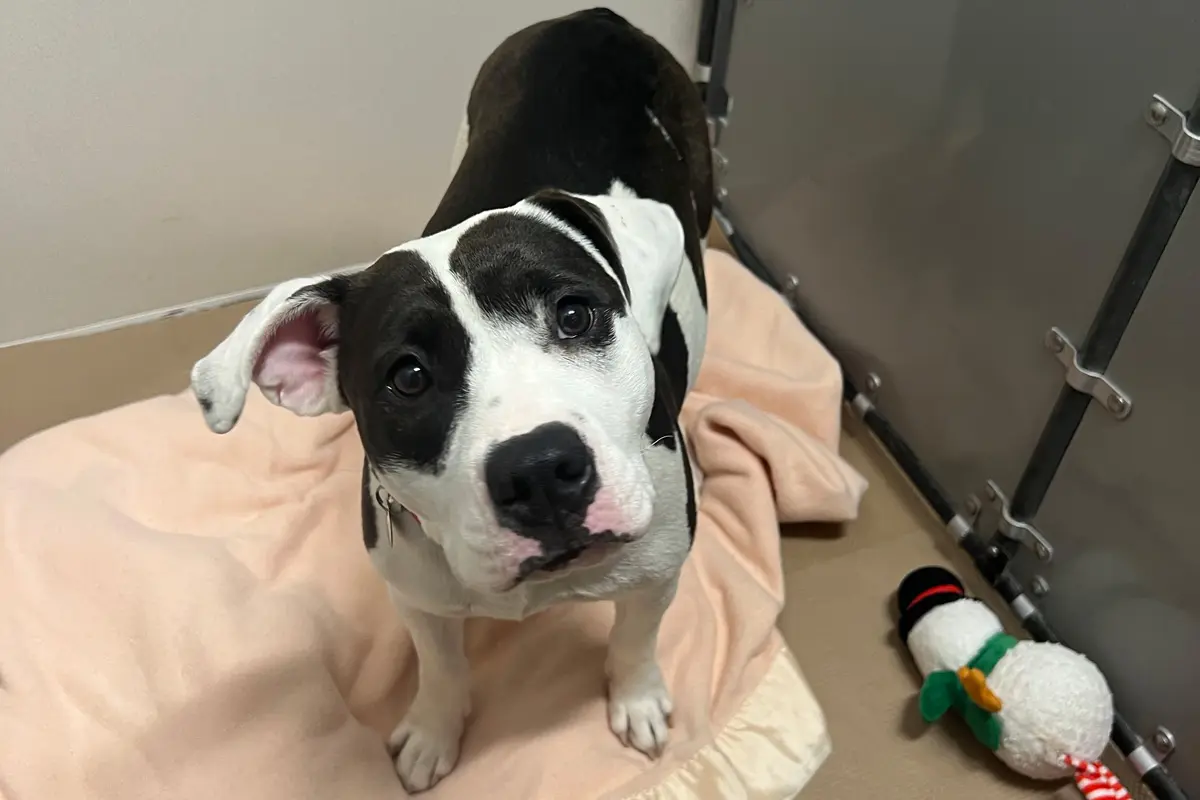
Jigsaw’s Rescue: A Pregnant Dog Finds a New Home at Animal League America
A Critical Gap in Shelter Care
A pregnant dog named Jigsaw was brought to Animal League America in early March, barely older than a puppy and already in distress. She arrived in a state of fear, carrying a litter, and needed a safe environment to give birth. The organization quickly arranged a suitable space for her, ensuring she and her puppies would receive care and protection.
Latest news
 Rescue Dog Shows Gratitude to Every Person Helping Her Heal
 Family Adopts Terminally Ill St. Bernard After Her Human Passes Away
 Neighbors Take Action After Town Ignores Abused Dog
 Retired Firefighter Reunited with Lost Dogs During Live Interview
The shelter’s overcrowded conditions meant many pregnant animals risked early euthanasia. Jigsaw’s situation highlighted the urgency of providing specialized care for expectant dogs. The team at Animal League America worked with veterinarians and volunteers to monitor her health, provide nutrition, and prepare a birthing area. The goal was to give her the time and space she required to deliver healthy puppies.
Pregnant dogs often fall through the cracks in crowded shelters. Limited resources and tight schedules lead to difficult decisions about which animals receive treatment. Jigsaw’s case exposed a systemic issue: shelters sometimes lack the capacity to care for animals in late pregnancy. By creating a dedicated nursing area, Animal League America demonstrated how targeted interventions can save lives. The organization’s approach included daily health checks, specialized diets, and a calm environment to reduce stress.
What Happens After Birth? A New Chapter
Veterinary staff noted that Jigsaw’s health improved rapidly once she was placed in a quieter room. „We observed a significant drop in her cortisol levels,” said Dr. Maria Lopez, the shelter’s chief vet. „The environment made a huge difference in her recovery and the puppies’ well‑being.” The team also arranged for a midwife dog to assist during the delivery, a practice that has proven successful in other shelters.
After giving birth, Jigsaw’s puppies were monitored closely for signs of illness. All four pups were healthy and were soon adopted by families who had expressed interest in small, energetic dogs. Jigsaw herself was spayed after a successful delivery, ensuring she would not face the same risk again. The shelter’s success story has prompted a review of policies regarding pregnant animals across the region.
The broader implication is clear: shelters must allocate resources for pregnant animals to prevent unnecessary euthanasia. Animal League America plans to expand its nursing program, hoping to set a standard for other facilities. The organization’s leadership believes that by addressing the specific needs of pregnant dogs, they can improve overall shelter outcomes.
Frequently Asked Questions
Why are pregnant dogs at higher risk in shelters? Overcrowding and limited resources often force shelters to prioritize immediate medical needs over long‑term care, leading to the euthanasia of pregnant animals to free space.
What steps did Animal League America take to support Jigsaw? They provided a quiet, dedicated space, daily veterinary checks, a specialized diet, and a trained midwife dog to assist with delivery.
How can other shelters improve care for pregnant animals? By creating separate nursing areas, allocating specific budgets for expectant animals, and training staff in reproductive care, shelters can reduce euthanasia rates and improve outcomes for both dogs and puppies.