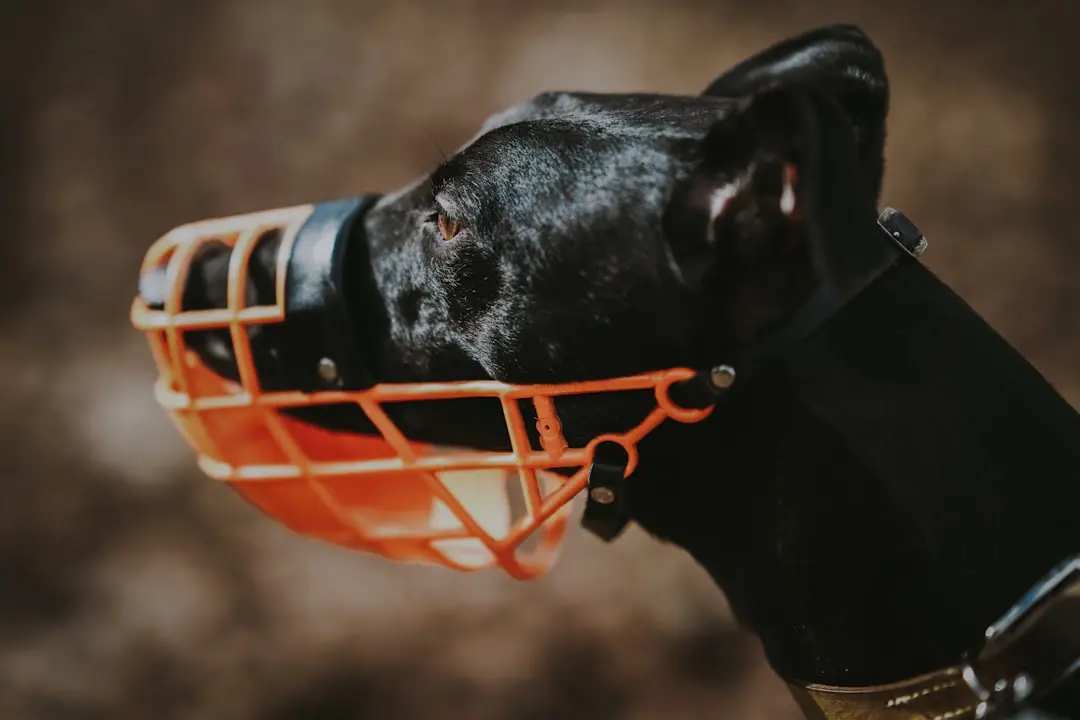
How to Muzzle Train Your Dog the Positive Way
Making the Muzzle a Familiar Companion
A new guide explains why muzzle training can be a useful tool for owners of dogs that bite, scavenge, or need extra safety during veterinary visits. The article outlines a step‑by‑step approach to making the muzzle a comfortable part of a dog’s routine, stressing that responsible use is a form of good management, not a sign of failure.
Latest news
 Rescue Dog Shows Gratitude to Every Person Helping Her Heal
 Family Adopts Terminally Ill St. Bernard After Her Human Passes Away
 Neighbors Take Action After Town Ignores Abused Dog
 Retired Firefighter Reunited with Lost Dogs During Live Interview
The guide stresses that a muzzle should never be a punishment. Instead, it should be introduced gradually, with positive reinforcement. The first step is to let the dog explore the muzzle on its own, rewarding curiosity. Once the dog is comfortable touching the device, the next phase involves placing the muzzle loosely on the nose and rewarding calm behavior. Gradual tightening follows, ensuring the dog remains relaxed at each stage. The process can take several weeks, depending on the dog’s temperament and previous experiences.
Is a Muzzle Necessary for All Dogs?
Experts say a key to successful muzzle training is consistency and patience. By pairing the muzzle with treats and affection, owners can shift the dog’s perception of the device from fear to neutrality. „The goal is to have the dog associate the muzzle with positive experiences,” says a certified canine behaviorist. „If a dog learns that wearing a muzzle leads to a treat or a walk, it will be less likely to resist or become anxious.” The article cites a study that found dogs trained with positive reinforcement were 60% more likely to tolerate the muzzle during veterinary exams compared to those trained with aversive methods.
The guide also covers practical tips for choosing the right muzzle. A well‑fitted muzzles should allow the dog to pant, lick, and drink water comfortably. Owners are advised to check the fit regularly, especially after growth spurts or weight changes. The article notes that a poorly fitted muzzle can cause discomfort and may lead to resistance or even injury.
The article poses the question of whether every dog needs a muzzle. It explains that while some breeds or individuals may never bite, others have a history of aggressive behavior or have been injured by their own teeth. In such cases, a muzzle can be a lifesaver during grooming or veterinary visits. „It’s a safety tool that, when used correctly, protects both the dog and the handler,” the guide points out. Owners are encouraged to consult with a veterinarian or professional trainer to assess whether a muzzle is appropriate for their specific situation.
Frequently Asked Questions
The guide warns against using a muzzle as a long‑term solution for aggression. Instead, it should be part of a broader behavior modification plan that includes training, socialization, and, when necessary, medical evaluation. The article stresses that a muzzle should never replace proper training or address underlying behavioral issues.
The article concludes by emphasizing that positive muzzle training can lead to smoother veterinary visits, safer handling, and a stronger bond between owner and dog. With patience, consistency, and the right tools, most dogs can learn to wear a muzzle without stress. The outlook for owners who follow these steps is a safer, more confident pet and a more confident owner.