Halloween Hazards for Dogs: How to Protect Your Pet from Trick-or-Treat Dangers
Candy Storage and Toxic Ingredients
Halloween turns neighborhoods into organized chaos with visitors and sweets. This mix hides more dangers for dogs than owners realize. Candy ingredients like chocolate or xylitol can be toxic to canine bodies. Packaging adds another layer of complexity. Swallowing wrappers can cause choking or digestive blockages. Store treats in sealed containers at home. Vigilance must not stop at the doorstep. Monitor what your dog sniffs or picks up on the floor. This prevents accidental snacks from becoming veterinary emergencies.
Latest news
 Rescue Dog Shows Gratitude to Every Person Helping Her Heal
 Family Adopts Terminally Ill St. Bernard After Her Human Passes Away
 Neighbors Take Action After Town Ignores Abused Dog
 Retired Firefighter Reunited with Lost Dogs During Live Interview
Choosing the Right Costume
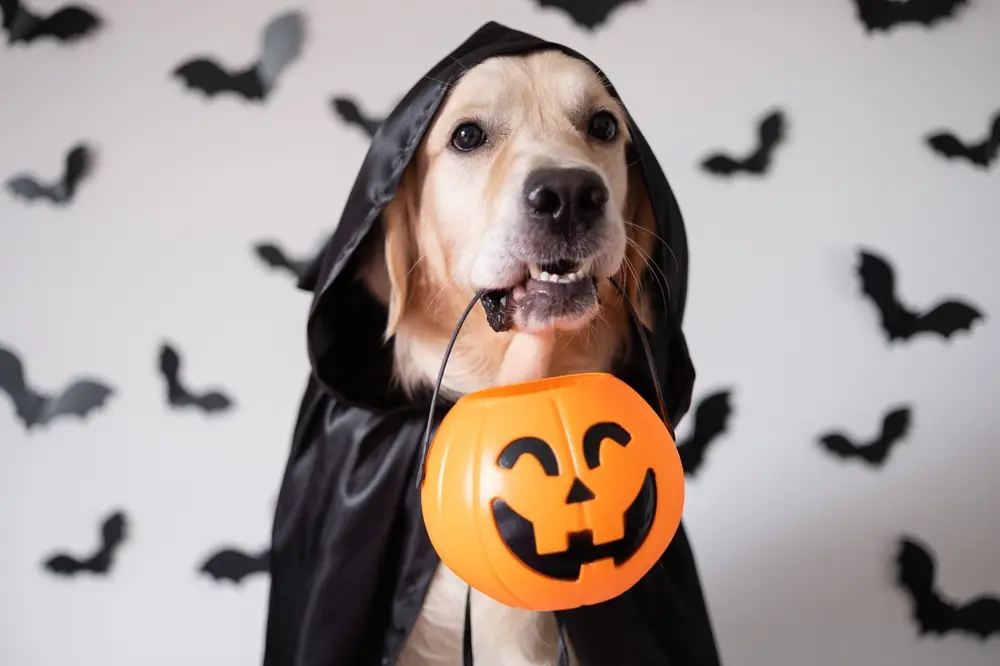
Selecting a costume is a crucial decision. Themed outfits can be fun, but comfort matters most. Not every dog enjoys dressing up. Observe their reaction carefully. The costume must fit perfectly without restricting natural movement. Avoid tight spots where fur might get tangled. A garment that fit last year may now be too tight due to weight changes. Conversely, an outfit bought for a puppy might be uncomfortable now. Check the fit before going out or hosting guests. Ensure the animal can walk freely in the attire.
Constant Supervision While Dressed
Continuous supervision is imperative when a dog wears a costume. Although the look is cute, safety requires someone nearby. Some dogs become fascinated by new textures. They may chew loose threads or detachable accessories. This creates a real risk of choking. Not all dogs need to avoid costumes entirely. As long as the piece is comfortable and tolerated, it is fine. However, if you leave the dog alone, remove the outfit. This simple precaution drastically reduces the chance of an innocent costume causing major trouble.
Creating a Quiet Refuge
A quiet refuge is vital for noise-sensitive dogs. Visitors arrive throughout the evening, and costumes make familiar places feel strange. An agitated or anxious dog benefits from a calm corner to retreat to. Set up a separate room with a comfortable blanket, fresh water, and known toys. This offers a welcome break from the external chaos. Explain to visitors that the pet should not be disturbed if it chooses to stay away from the activity center.
Holiday decorations like carved pumpkins and colored lights create a festive air. For curious dogs, these items invite investigation or biting. Keep decorative objects at a distance, especially those harmful if swallowed. Real candles inside pumpkins pose an extra risk if knocked over. Battery-operated alternatives are recommended, especially in areas where pets roam freely.
Decorations and Lighting Risks
Fluorescent bands help children stay visible during evening walks. Their bright colors and flexible shape often attract dogs too. The liquid inside can irritate skin or be harmful if ingested. A dog that bites such an item may absorb the contents. Keep these away from curious mouths. Check the ground during walks, especially on Halloween night. Discarded glow sticks may litter sidewalks. If your dog chews or swallows one, contact your veterinarian for advice.
Glow Sticks and Wristbands
Managing the front door is an essential control point. Handing out candy involves opening the door dozens of times in one evening. For curious or easily startled dogs, these repeated opportunities increase escape chances. Close the door between consecutive visitors to prevent unnoticed exits. Alternatively, step outside to greet visitors and close the door behind you. Keeping the dog in a separate room during busy periods adds protection. It reduces the chance of the pet being startled by sudden appearances of costumed people at the entrance.
Updating Identification Documents
Updating ID documents is a simple but critical preventive measure. A contact tag and microchip are always good ideas. They become extremely important on nights with frequent door openings. Unusual sights can alarm a dog. If the animal escapes, a current tag provides a direct way for finders to call the owner. The microchip acts as a second identification mechanism.