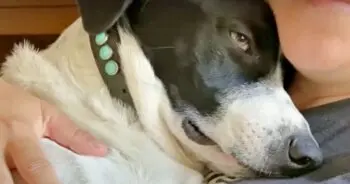
Grieving dog finds new purpose through puppy sibling
The Closet Becomes a Safe Haven
A sensitive Labrador named Wyatt recently emerged from weeks of profound sadness after his owner introduced him to a new puppy brother. The young dog had been mourning the loss of his canine sister for months. This emotional journey highlights how pets process grief similarly to humans.
Latest news
 Rescue Dog Shows Gratitude to Every Person Helping Her Heal
 Family Adopts Terminally Ill St. Bernard After Her Human Passes Away
 Neighbors Take Action After Town Ignores Abused Dog
 Retired Firefighter Reunited with Lost Dogs During Live Interview
Wyatt is known for his gentle temperament and deep emotional bonds. When his sister passed away, the household dynamic shifted dramatically. The dog struggled to adjust to the quiet home environment. He became withdrawn and less active than usual.
During the initial phase of his mourning period, Wyatt developed an unusual habit. He would retreat into a small closet in the house. There, he curled up and hid from the world. His owner, Linda, observed this behavior with concern. She realized that Wyatt felt lost without his companion. The closet provided a confined space where he could feel secure. However, it also isolated him from daily family life. Linda understood that prolonged isolation could worsen his mood. She decided to intervene to help him heal naturally.
Linda researched ways to support a grieving pet. She considered various enrichment activities and social interactions. Eventually, she settled on adding a new member to the family. A puppy seemed like the ideal candidate. Young dogs bring energy and playfulness to a household. They can distract older dogs from their sorrow. Linda adopted a small puppy to serve as a playmate for Wyatt.
Can Play Therapy Cure Pet Grief?
The introduction process required careful planning. Linda allowed the two dogs to sniff each other through a barrier first. This prevented overwhelming sensory input. Once they appeared comfortable, she let them interact freely. Wyatt initially remained cautious. He watched the puppy with curiosity but kept his distance. Over time, the puppy’s persistent and cheerful nature began to break through Wyatt’s reserve.
The turning point came during a shared play session. The puppy chased Wyatt around the living room. Wyatt eventually joined in the chase. For the first time in months, he wagged his tail enthusiastically. He no longer needed the closet for comfort. The presence of the new sibling filled the void left by the sister. Wyatt began sleeping near the puppy instead of hiding alone. His appetite improved significantly as well.
Veterinarians often note that dogs are pack animals. They thrive on companionship and routine. Losing a close bond partner can disrupt their sense of security. Introducing another animal can restore this balance. However, it must be done gradually to avoid stress. Wyatt’s case demonstrates the effectiveness of this approach. Many owners report similar outcomes when introducing new pets to grieving dogs.
Frequently Asked Questions
The relationship between Wyatt and his new brother has grown stronger each day. They now sleep side by side and explore the house together. Wyatt’s owner reports that his personality has returned to its former brightness. The household feels lively again. This story serves as a reminder that pets experience complex emotions. Owners should pay attention to behavioral changes following a loss. Providing appropriate social support can facilitate recovery. Wyatt’s journey from grief to joy offers hope for other pet parents facing similar challenges.
How long does it take for a dog to grieve? There is no fixed timeline for canine grief. Some dogs recover within weeks, while others take months. Factors like age and bond strength influence the duration.
Is it safe to introduce a new pet immediately? It is generally safer to wait until the grieving dog shows signs of stability. Rushing the process can cause additional stress or confusion.
Do all dogs respond well to a new sibling? Most dogs benefit from new companionship, but individual temperaments vary. Introverted dogs may need extra time to accept a new family member.