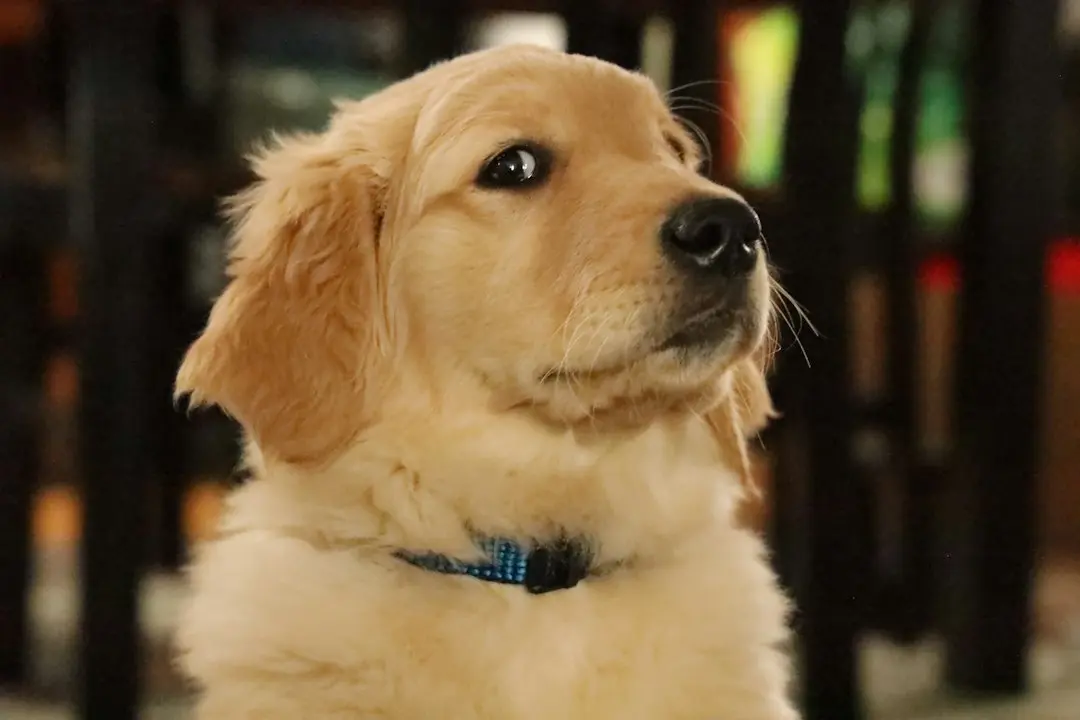
Golden Retriever Treated to Snack Retreats to Crate Like Office Worker
The Office Worker Mentality in Canine Behavior
Scout, a Golden Retriever based in Virginia, has captured internet attention for his unusual reaction to receiving food. Instead of displaying typical canine excitement, the dog immediately walks away from the handler. He heads directly to his designated sleeping area. This behavior contrasts sharply with standard pet training responses. Scout treats the moment as a transactional event. He prioritizes privacy over social interaction during snack time. The incident went viral on social media platforms recently.
Latest news
 Rescue Dog Shows Gratitude to Every Person Helping Her Heal
 Family Adopts Terminally Ill St. Bernard After Her Human Passes Away
 Neighbors Take Action After Town Ignores Abused Dog
 Retired Firefighter Reunited with Lost Dogs During Live Interview
The video documentation shows Scout accepting a treat with calm indifference. He does not wag his tail or jump up for attention. Instead, he turns around and proceeds to his crate. The owner describes this routine as consistent and predictable. Scout views the crate as his personal office space. He believes he deserves uninterrupted time to consume his rewards. This habit suggests a strong sense of individuality in the dog’s personality. Many owners report similar behaviors in older or more independent breeds.
Why Does Scout Prefer Privacy Over Celebration?
Experts suggest that some dogs develop specific rituals around feeding. For Scout, the crate serves as a sanctuary from household noise. It provides a safe, enclosed environment for eating. This preference indicates high confidence and comfort with his surroundings. Unlike dogs that seek approval through body language, Scout values solitude. The comparison to a busy employee is apt because he completes the task efficiently. He receives the compensation and then returns to his private quarters. There is no lingering or begging for more. The process is streamlined and purposeful.
Behaviorists note that not all dogs express joy through visible excitement. Some animals are introverted by nature. They prefer quiet moments to savor positive experiences. Scout’s actions reflect a mature understanding of his routine. He knows exactly what to expect and where to go. This predictability reduces anxiety for the dog. It allows him to focus entirely on the taste of the treat. Owners often find this trait endearing rather than confusing. It highlights the distinct personalities within the same breed. Scout demonstrates that dogs can have complex emotional preferences regarding their daily interactions.
The trend of pets behaving like miniature humans continues to grow online. Viewers appreciate the relatable humor in Scout’s actions. People see themselves in the dog’s desire for a break. This viral moment reinforces the bond between pets and owners. It encourages viewers to observe their own pets’ unique quirks. As social media highlights these moments, public interest in canine psychology increases. Owners may begin to notice subtle behavioral patterns in their own dogs. Scout’s story serves as a reminder that every animal has its own way of processing happiness.
Frequently Asked Questions
Does Scout always eat in his crate? Yes, Scout consistently chooses his crate as the location for consuming treats. He views it as his private dining room. This habit has become a fixed part of his daily routine.
Is this behavior normal for Golden Retrievers? While less common, it is not unusual for dogs to seek quiet spaces for eating. Individual personality traits vary significantly even within the same breed. Many dogs simply prefer low-stimulation environments for meals.