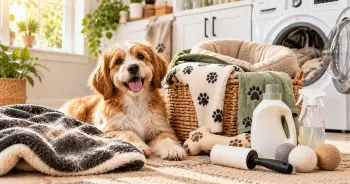
Fifteen Essential Items for Washing Dog-Friendly Fabrics
Targeted Tools for Hair Removal and Stain Management
Pet owners face a constant battle against pet hair, stubborn stains, and lingering odors. The challenge intensifies after outdoor adventures or messy play sessions. Muddy paws and drooling toys create a relentless cycle of cleaning. Standard washing routines often fail to remove deep-seated smells. Professional-grade supplies offer effective solutions for these specific textile issues.
Latest news
 Rescue Dog Shows Gratitude to Every Person Helping Her Heal
 Family Adopts Terminally Ill St. Bernard After Her Human Passes Away
 Neighbors Take Action After Town Ignores Abused Dog
 Retired Firefighter Reunited with Lost Dogs During Live Interview
Selecting Detergents That Neutralize Biological Odors
Fur accumulation represents the primary hurdle in pet laundry. Regular lint rollers struggle with thick mats of hair embedded in fabric fibers. Dedicated pet hair removal tools penetrate deeper layers of material. These devices extract strands before they become permanent fixtures in clothing. Enzymatic cleaners break down organic matter responsible for sour scents. They target protein-based stains such as urine or vomit. Unlike standard detergents, enzymes digest the biological components entirely. This process prevents odor molecules from settling into weave structures. Anti-static sprays reduce friction between fibers and hair. This simple step makes subsequent vacuuming significantly easier. Owners should apply these products immediately after drying cycles.
# Can I use human shampoo on dog bedding?
Standard laundry soaps often mask smells rather than eliminating them. Pet-specific formulas contain ingredients designed to neutralize ammonia compounds. These detergents work effectively on both cotton and synthetic blends. Oxy-based boosters enhance the cleaning power of existing wash cycles. They lift ground-in dirt without damaging delicate fabrics. Baking soda serves as a natural deodorizing agent during pre-wash phases. It absorbs moisture and traps odor particles temporarily. Vinegar rinses help soften stiffened fabrics while removing soap residue. This combination restores fabric softness without chemical fragrances. For heavy-duty items like dog beds, hot water settings prove most effective. Heat activates cleaning agents and kills bacteria trapped in padding.
No, human shampoos contain harsh chemicals that irritate sensitive skin. Use pet-safe detergents specifically formulated for animal textiles.
# How often should I wash my dog’s bed?
Wash dog beds every two weeks for hygiene maintenance. Increase frequency if the pet suffers from allergies or skin conditions.
# Does dryer sheet use help with pet hair?
Dryer sheets reduce static electricity, which helps release trapped fur. However, dedicated lint-free dryer balls remain the superior option for removal.