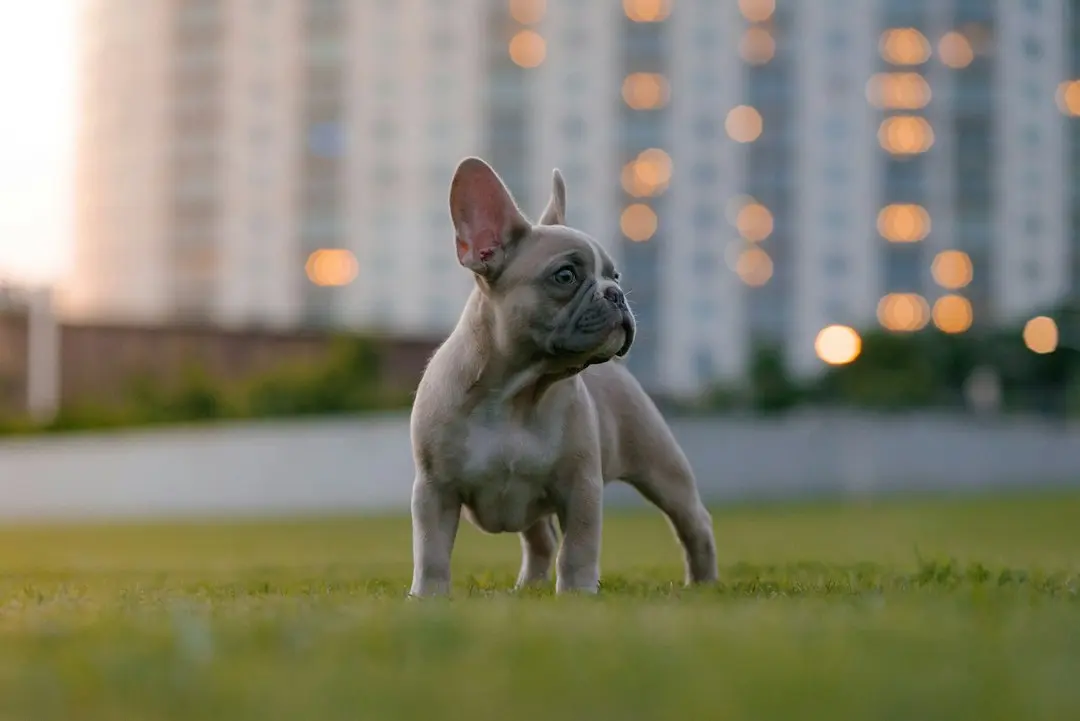
Family’s Bully‑Breed Dog Turns Out to Be the Calm One After Tiny Dachshund Arrives
Tiny Pup, Big Chaos
A household in the Midwest welcomed a miniature dachshund puppy named Plum last month. The owners, accustomed to managing a large, energetic bully‑breed dog, assumed they would need to keep a tight leash on the new arrival. Their expectations flipped when the tiny pup began causing the real mayhem, while the big dog stayed surprisingly composed. The contrast was captured in a popular Instagram reel posted by the family’s account, @rhubarbthedoggo.
Latest news
 Rescue Dog Shows Gratitude to Every Person Helping Her Heal
 Family Adopts Terminally Ill St. Bernard After Her Human Passes Away
 Neighbors Take Action After Town Ignores Abused Dog
 Retired Firefighter Reunited with Lost Dogs During Live Interview
The family’s older dog, a sturdy mixed‑breed often labeled a „bully,” has long been the center of attention for its size and boisterous nature. When Plum, a three‑week‑old dachshund, entered the home, the owners prepared baby gates, crates, and constant supervision, fearing the larger dog might intimidate the newcomer. Instead, the reel shows Rhubarb, the bully‑breed, calmly observing as Plum darts around, repeatedly leaping onto furniture and knocking over toys. The video quickly went viral, highlighting how size does not always dictate temperament.
Why Did the Bigger Dog Stay So Calm?
Plum’s energy is relentless. Within minutes of being introduced, the dachshund sprinted across the living room, nudging cushions and chasing its own tail. The family noted that the puppy’s curiosity led to frequent „accidents,” such as spilling water bowls and tugging at cords. Despite the chaos, Rhubarb remained gentle, offering a steady presence that seemed to reassure the nervous puppy. „We expected Rhubarb to be the protector, but he became the calming influence,” the owner explained. The reel’s caption emphasized the role reversal, noting that the larger dog’s patience helped the tiny newcomer settle in.
Experts say that many bully‑breed dogs possess a naturally steady disposition, especially when raised in a stable environment. Dr. Lena Torres, a canine behaviorist, points out that „breed stereotypes often overlook individual personality. A well‑socialized bully can be remarkably gentle, even around high‑energy puppies.” The family’s consistent training and positive reinforcement likely contributed to Rhubarb’s composed behavior. Moreover, the dachshund’s small size may have triggered a protective instinct rather than a competitive one, allowing Rhubarb to act as a guardian without feeling threatened.
The Instagram post sparked a broader conversation online about assumptions parents make regarding pet dynamics. Commenters shared similar stories where larger dogs acted as mentors, while smaller breeds took on the role of mischief‑makers. The viral nature of the reel underscores how social media can reshape public perception of breed traits, reminding owners that temperament is shaped more by upbringing than by size alone.
What Can Other Pet Owners Learn From This Switch?
For families considering adding a new dog to an existing pack, the takeaway is clear: monitor behavior, not just breed reputation. The family now uses a shared play area where both dogs can interact safely, and they’ve introduced training sessions that reinforce calm behavior for both pets. They also report that Plum’s antics have softened over time, with Rhubarb occasionally nudging the puppy toward a chew toy instead of a shoe. The owners plan to keep documenting the duo’s progress, hoping to inspire other households to embrace unexpected dynamics.
The episode illustrates that a dog’s size does not dictate its role in the family hierarchy. As Plum matures, the pair may develop a balanced partnership, with the larger dog providing stability and the smaller one injecting lively energy. The family’s experience serves as a reminder that patience, observation, and flexibility are key when blending canine personalities.
Will a larger dog always protect a smaller puppy? Not necessarily. Protection depends on the individual dog’s temperament, training, and socialization, not merely its size.
Frequently Asked Questions
How can owners prevent chaos when introducing a new puppy? Gradual introductions, supervised play, and establishing clear boundaries help both dogs adjust without overwhelming the household.
Is it safe to leave a bully‑breed dog alone with a tiny dachshund? Supervision is essential initially. Once trust is established, many bully‑breed dogs can safely coexist with smaller companions, but owners should always monitor interactions.