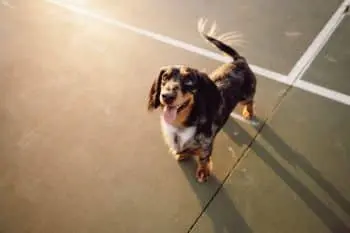
Eleven Dog Breeds That Always Look Like They're Up to Something
Why These Breeds Look Perpetually Scheming
Certain canines seem born with a permanent scheme brewing behind their eyes, their expressive faces suggesting mischief at every turn. From the sly stare of a Shiba Inu to the animated grin of a Jack Russell Terrier, these eleven breeds carry an unmistakable aura of playful rebellion that owners find both endearing and exhausting.
Latest news
 Man Saves Puppies from Well, Then Cleans Up the Mess
 A Grieving Pit Bull Finds New Purpose After Adopting An Orphaned Puppy
 Joyful Reunion Brings Tears to a Young Girl After Two Months Apart
 A Devoted Pet Owner Finds Hope After Tragedy Strikes in Florida
Their distinctive features—alert eyes, mobile ears, and naturally tilted smiles—create an impression of constant curiosity and calculated mischief. Breeders and behaviorists note that these physical traits often align with high intelligence and strong prey drives, making these dogs equally brilliant companions and four-legged troublemakers.
What Makes a Dog's Face Look Mischievous?
The secret lies in their evolutionary background and selective breeding. Many of these breeds were developed for tasks requiring independent thinking—hunting vermin, herding livestock, or guarding territory. This history shaped not only their behavior but their facial structure. Forward-facing eyes grant them excellent depth perception, while expressive eyebrows and mobile ears allow them to communicate intentions with remarkable subtlety.
Take the Shiba Inu, whose shiba screamand knowing stare have made it an internet sensation. Its almond-shaped eyes seem to pierce straight through to your soul, as if calculating exactly how long it will take you to notice the missing couch cushion. Similarly, the Jack Russell Terrier's bright, darting gaze reflects a mind constantly processing multiple escape routes and adventure possibilities.
Veterinary behaviorist Dr. Sarah Wooten explains that certain facial characteristics trigger our perception of mischief. „Dogs with high-set eyebrows, prominent eyes, and the ability to raise one ear independently tend to look more expressive and, consequently, more scheming,”she says. „It's a combination of neoteny—retaining juvenile features—and specific breeding for alertness.”The Akita's piercing gaze, the Border Collie's intense stare, and the Australian Cattle Dog's skeptical raise of the brow all serve practical purposes in their original roles. Yet these same traits make them appear perpetually unimpressed by human decisions, especially when those decisions involve bath time or vet visits.
Living With Naturally Mischievous-Looking Dogs
Owners of these breeds report that their pets' appearances often precede their actions. „People always comment on how Loki looks like he's plotting world domination,”says Maria Gonzalez of her three-year-old Shiba Inu. „And honestly, he kind of is. If he can reach the counter, he will.”These dogs typically require mental stimulation equivalent to their physical energy. Puzzle feeders, agility training, and interactive toys help channel their cunning expressions into productive outlets. Without proper engagement, their clever faces often signal actual mischief—knocked-over trash cans, excavated flower beds, and strategically placed stolen socks.
The outlook for these breeds remains bright, as their distinctive looks continue captivating hearts worldwide. Their mischievous expressions serve as daily reminders that intelligence and charm often walk paw in paw with chaos.
Do dogs with mischievous looks actually behave worse? Not necessarily. Their appearance often reflects high intelligence rather than poor behavior. Proper training and mental stimulation usually result in well-adjusted companions despite their scheming looks.
Frequently Asked Questions
Which breed looks most mischievous? The Shiba Inu consistently tops lists due to its intense stare and dramatic expressions. Its shiba screamand apparent side-eye have made it particularly famous online for appearing perpetually unimpressed.
Can you train a naturally mischievous-looking dog? Absolutely. These intelligent breeds respond exceptionally well to positive reinforcement training. Their expressive faces often indicate they're reading your emotions perfectly, making communication easier than with less expressive breeds.
Content written by Angeline Docot for galore-pets.com editorial team, AI-assisted.