Dogs Show Human-Like Brain Patterns When Exercising Self-Control, Study Finds
Neural Signatures Mirror Human Self-Restraint
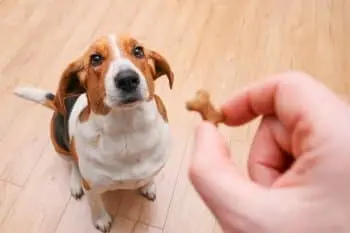
Researchers observed brain activity in 14 pet dogs while the animals waited to receive treats, discovering neural responses remarkably similar to those seen in humans practicing self-restraint. The study, conducted by scientists who scanned the dogs' brains during controlled waiting tasks, revealed unexpected parallels in how canine and human brains manage impulses.
Latest news
 Rescue Dog Shows Gratitude to Every Person Helping Her Heal
 Family Adopts Terminally Ill St. Bernard After Her Human Passes Away
 Neighbors Take Action After Town Ignores Abused Dog
 Retired Firefighter Reunited with Lost Dogs During Live Interview
When dogs successfully resisted grabbing a visible treat, their brain scans displayed activation patterns closely matching human studies of delayed gratification. The research team noted that specific regions associated with decision-making and impulse control lit up in ways that surprised the scientists, suggesting evolutionarily conserved mechanisms across species.
The brain imaging revealed that during moments of waiting, dogs exhibited heightened activity in areas corresponding to the prefrontal cortex, the same region humans use when suppressing immediate desires. This neural signature appeared consistently across all 14 participating dogs, regardless of breed or training background. Lead researcher Dr. Sarah Hecht explained that the findings indicate dogs may possess more sophisticated cognitive control than previously understood, with their brains essentially running the same biological software as humans when faced with temptation.
Why Does This Matter for Understanding Animal Cognition?
The discovery challenges long-standing assumptions about the cognitive gap between humans and other animals, particularly regarding executive function. By demonstrating that dogs recruit similar neural pathways during self-control tasks, the research provides new insights into the evolutionary development of willpower. These findings could also inform training methods and behavioral interventions for pets, while contributing to broader scientific understanding of how impulse control mechanisms evolved across species.
The implications extend beyond veterinary science, offering potential applications in developing comparative models for studying human neurological conditions involving impulse regulation. Future research may explore whether other animals display comparable brain patterns, potentially reshaping how scientists approach questions about consciousness and cognitive complexity in non-human species.
Frequently Asked Questions
What brain regions activate when dogs practice self-control? Dogs show increased activity in areas analogous to the prefrontal cortex, the same region humans use for executive decision-making and impulse regulation during delayed gratification tasks.
How many dogs participated in the brain imaging study? Fourteen family dogs of various breeds took part in the research, with all showing consistent neural response patterns when successfully resisting immediate access to treats.
Can these findings improve dog training methods? Yes, understanding the neural basis of canine self-control may help develop more effective training approaches that work with natural brain mechanisms rather than against them.