Dog’s Crate Taken Over by Toddler Leaves Pit Bull Looking for Help
Experts note that dogs often view their crates as safe zones, making such
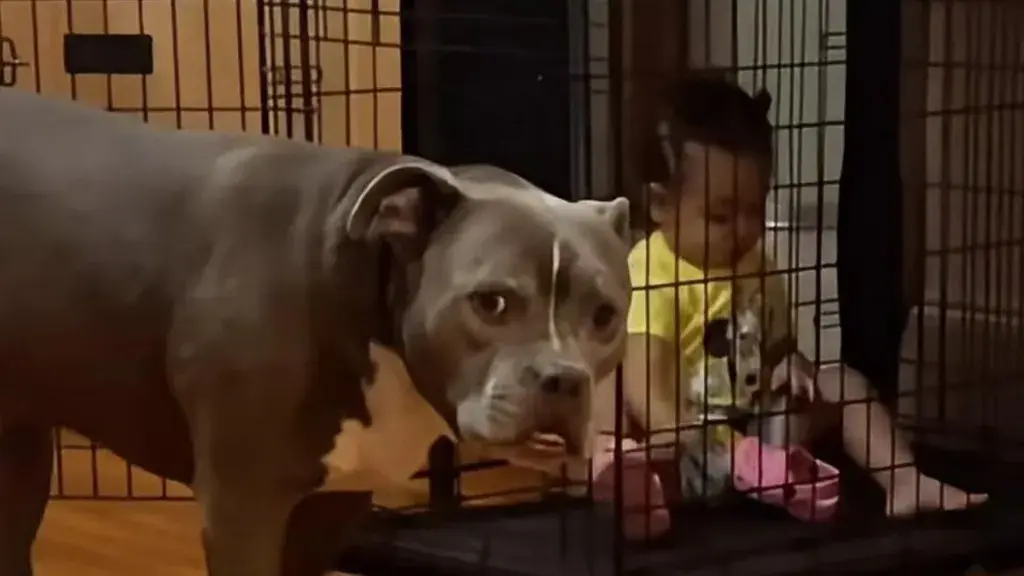
A family’s Pit Bull named Blue found his personal crate unexpectedly occupied by a curious toddler, capturing a moment of canine confusion that quickly went viral. The incident occurred in a home setting where the dog’s usual retreat was invaded by the small child, prompting an amused yet telling reaction from the animal. Blue’s expressive face, caught on camera, seemed to silently plead for intervention as the toddler settled into his space without hesitation. The photo, shared on Instagram by user @brenda_ling12, shows Blue sitting nearby with a look of bewildered resignation, his ears slightly back and eyes fixed on the intruder in his crate. Rather than growl or retreat, the dog chose a passive approach, appearing to communicate his discomfort through body language alone.
Latest news
 Rescue Dog Shows Gratitude to Every Person Helping Her Heal
 Family Adopts Terminally Ill St. Bernard After Her Human Passes Away
 Neighbors Take Action After Town Ignores Abused Dog
 Retired Firefighter Reunited with Lost Dogs During Live Interview
Experts note that dogs often view their crates as safe zones, making such invasions particularly stressful, even if the intruder is harmless and unintentional. How Dogs React When Their Space Is Invaded Canine behavior specialists explain that while dogs may tolerate minor intrusions, a crate represents a core territory tied to security and rest. When a toddler enters this space, it can trigger confusion or anxiety, especially if the dog feels unable to respond. In Blue’s case, his lack of aggression suggests a high level of trust and restraint, possibly shaped by training or a naturally calm temperament. The family reported no signs of distress beyond the initial surprise, and the toddler was gently moved afterward. What Does This Say About Pet-Child Dynamics? This moment highlights the importance of supervising interactions between pets and young children, even when both seem comfortable.
While the scene ended peacefully, it serves as a reminder that animals need
While the scene ended peacefully, it serves as a reminder that animals need boundaries, and caregivers should ensure pets have uninterrupted access to their safe spaces. Parents are encouraged to teach toddlers gentle behavior around animals and to provide alternative play areas away from pet zones. Frequently Asked Questions Why didn’t the dog react aggressively to the toddler in his crate? Blue likely felt no threat from the child and chose to express his discomfort passively, possibly due to his temperament or training, avoiding conflict despite the intrusion. Is it safe for toddlers to enter a dog’s crate? No, crates should remain off-limits to young children to respect the dog’s need for space and prevent accidental stress or defensive reactions, even if none occur. How can families prevent similar situations?
Supervise all pet-child interactions, create separate play zones, and use barriers or training to keep toddlers away from the dog’s crate and resting areas.