
Dog Food Recalls: A 2026 Update
Common Reasons
Recent reports indicate ongoing concerns about the safety of commercially available dog food. As of May 16, 2026, tracking by veterinary experts is monitoring recalls issued by the Food and Drug Administration (FDA) and the American Veterinary Medical Association (AVMA). This impacts dog owners nationwide.
Latest news
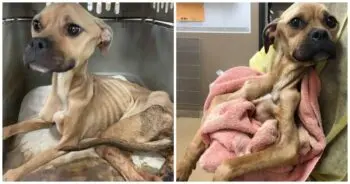 Rescue Dog Shows Gratitude to Every Person Helping Her Heal
 Family Adopts Terminally Ill St. Bernard After Her Human Passes Away
 Neighbors Take Action After Town Ignores Abused Dog
 Retired Firefighter Reunited with Lost Dogs During Live Interview
The purpose of this tracking is to provide a central resource for pet owners. It aims to identify potentially harmful products and understand the reasons behind the recalls. The data covers a five-year period, focusing on identifying patterns and brands with consistently safe records. Product selections are made independently, though affiliate links may exist.
Several key issues frequently trigger dog food recalls. Contamination is a major concern, often involving salmonella or other harmful bacteria. This can occur during manufacturing or through ingredient sourcing. Another common reason is the presence of undeclared ingredients. These might include medications or substances not listed on the label.
Can Owners Truly Trust Dog Food Brands?
Foreign objects, like metal fragments or plastic pieces, also lead to recalls. Nutritional imbalances, where the food lacks essential vitamins or minerals, are another risk. Finally, improper labeling or packaging errors can cause products to be pulled from shelves. These issues highlight the complexities of pet food production.
Maintaining consistent safety standards proves challenging for manufacturers. The FDA and AVMA work to investigate reports and issue recalls when necessary. However, the sheer volume of products makes comprehensive oversight difficult. Some brands have managed to avoid recall entries within the five-year tracking window. This suggests a commitment to quality control and ingredient sourcing.
However, absence of a recall doesn’t guarantee absolute safety. It simply means no issues were reported or identified during the tracking period. Owners should remain vigilant and report any unusual symptoms in their pets. These symptoms could include vomiting, diarrhea, or lethargy.
The consequences of contaminated dog food can be severe. Pets can experience illness, requiring veterinary care. In some cases, contamination can even be fatal. This ongoing monitoring is vital for protecting animal health. The future likely holds increased scrutiny of pet food manufacturing processes. Expect stricter regulations and more transparent ingredient labeling.
Frequently Asked Questions
What should I do if I suspect my dog ate recalled food? Immediately stop feeding the food. Contact your veterinarian and explain the situation. Watch your dog closely for any signs of illness.
How can I stay informed about dog food recalls? Regularly check the FDA and AVMA websites for updated recall information. Sign up for email alerts from these organizations. Consider using a dedicated recall tracking service.
Are certain types of dog food more prone to recalls? No specific type is inherently more dangerous. However, raw food diets and foods with numerous ingredients may carry a slightly higher risk. This is due to increased complexity in sourcing and handling.