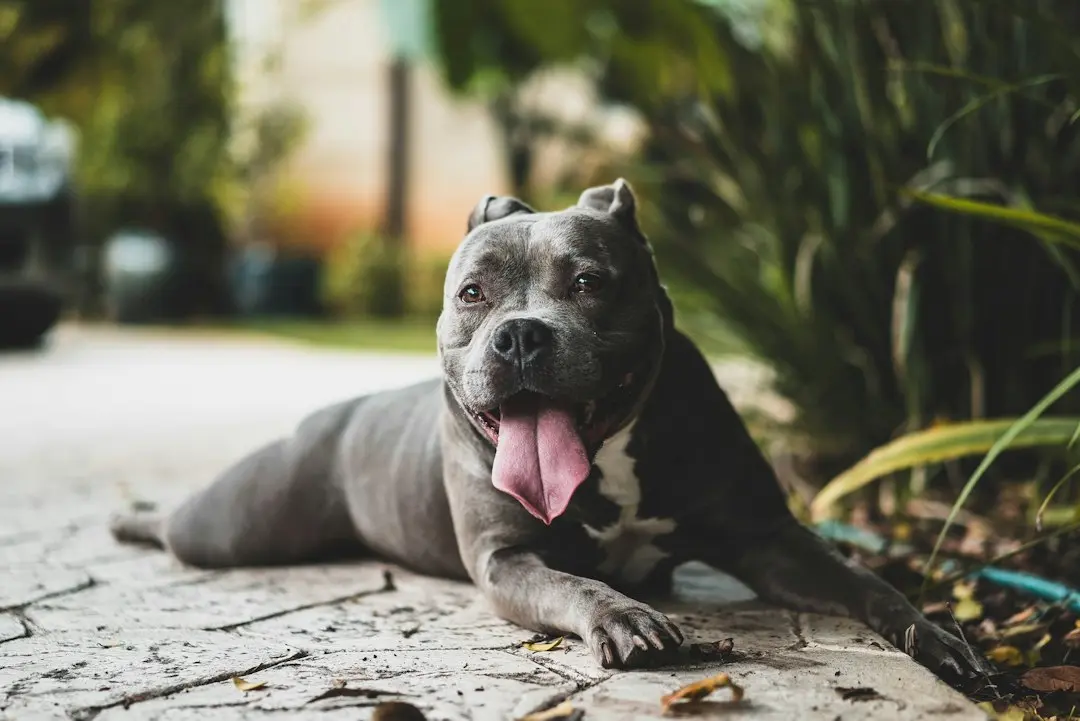
Dog Demands Treats, Then Turns Into a Grumpy Baby
Why Some Dogs Prefer Their Own Paws
A spirited pit‑bull in a suburban neighborhood has become the talk of the town after her owner, a young mother, noted her unusual behavior. The dog, who has yet to be named publicly, was seen begging for treats, or „uppies,”from her mother. When the mother finally scooped her up, the pup immediately complained, refusing to be carried any further.
Latest news
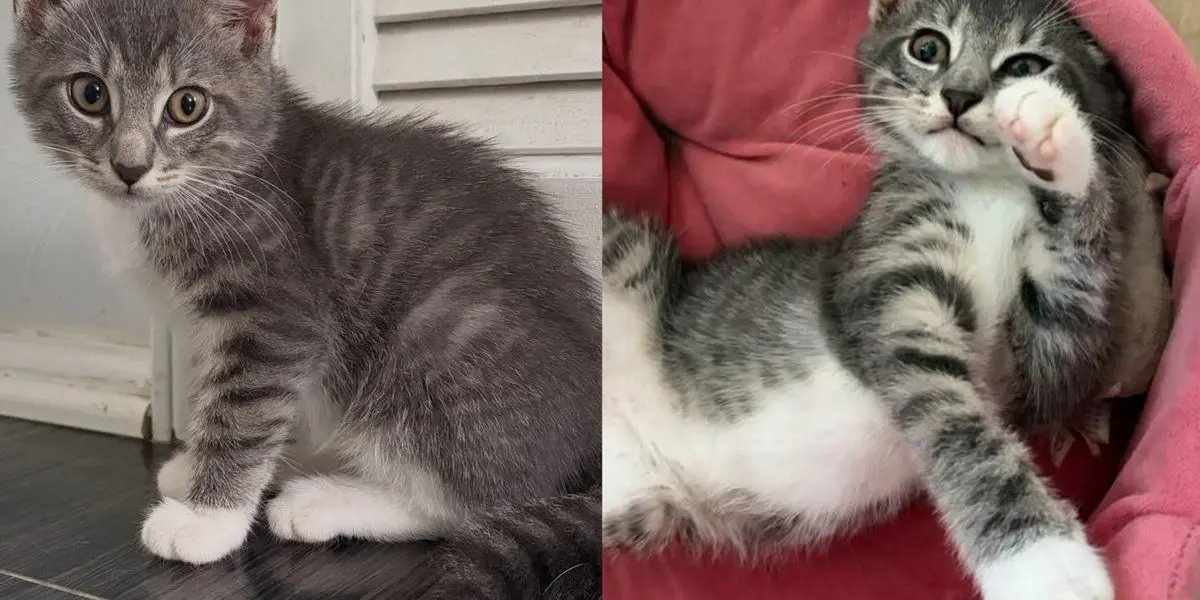 Tiny Gray Kitten Rescued From Busy New York Construction Site
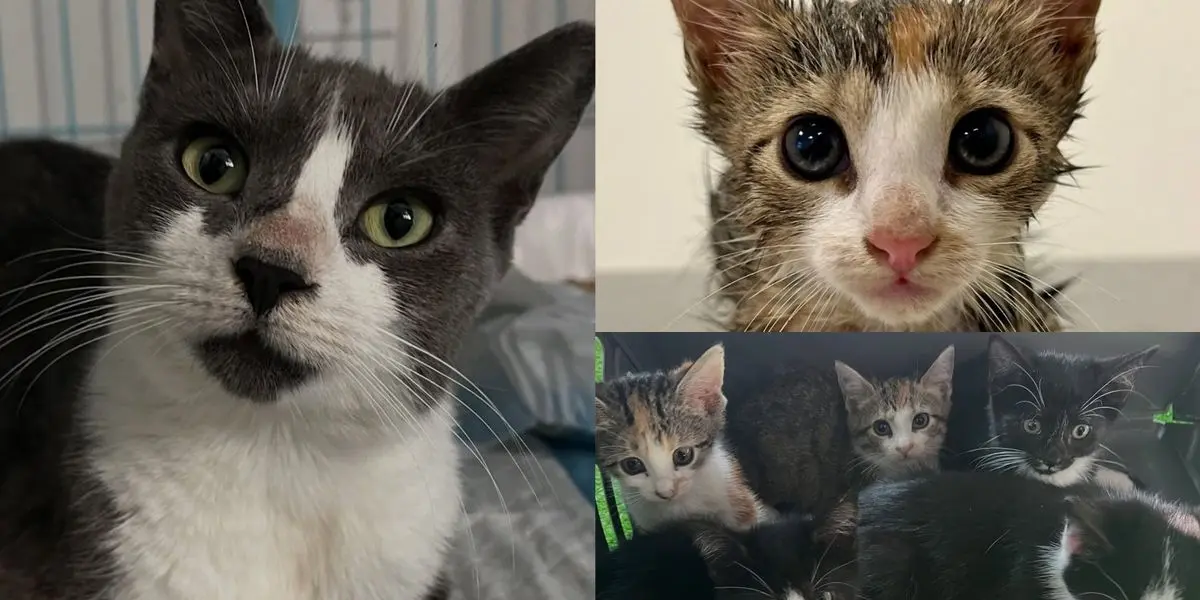 The Resilient Mother: A Cat and Her Five Kittens Face Life‑Saving Struggle Behind a Nail Salon
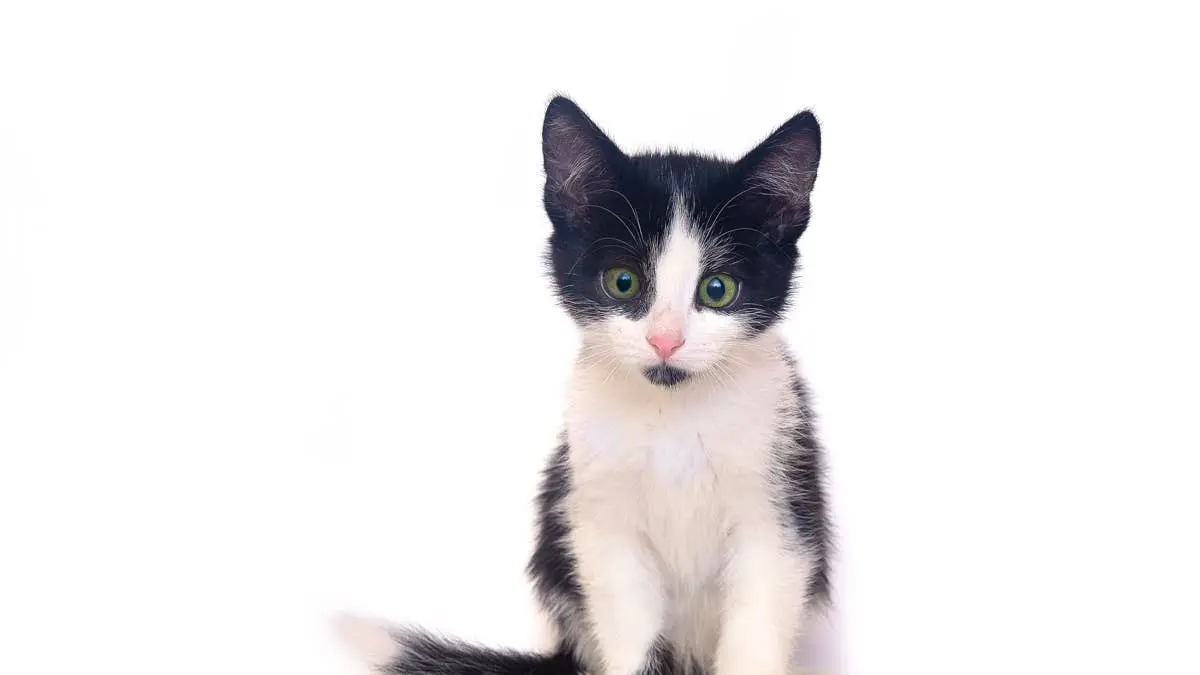 Tiny Tuxedo Kitten Becomes Viral Sensation for Vocalizing During Mealtime
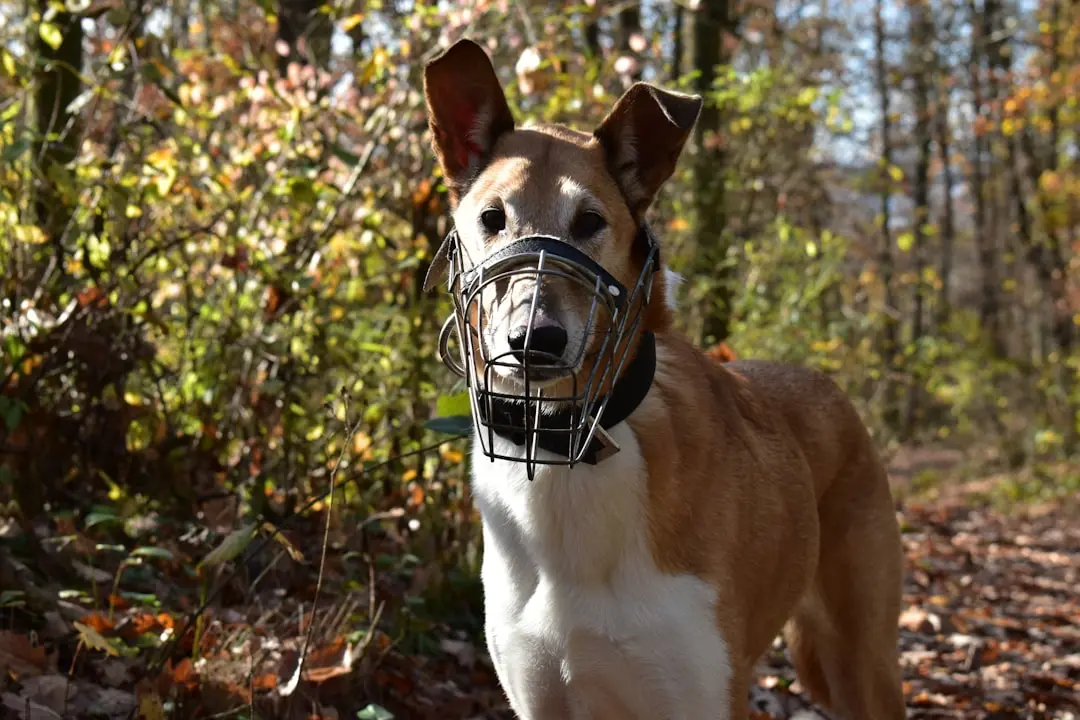 Keeping Your Scavenging Dog Safe During Daily Walks
The incident occurred last Saturday afternoon in a quiet cul-de-sac in the city’s south‑side. The mother, who has been caring for the dog for over a year, posted a short video on a local community forum. In the clip, the dog lies on the floor, wagging her tail, as her mom kneels down and offers a small bag of dog biscuits. Once the dog grabs a biscuit, she leans her head against her mother’s shoulder. The next moment, however, she yanks her legs, growls softly, and refuses to stay in the mother’s arms.
The owner explained that the dog’s reaction is typical of her breed’s temperament. „Pit‑bulls can be very affectionate, but they also have a strong sense of independence,” she said. „She likes to be close, but she also wants to maintain control over her space. When I pick her up, she feels like I’m taking away her autonomy, so she resists.”
The video has sparked debate among local pet owners. Some argue that the dog’s behavior is a sign of a well‑trained, confident pet who knows her limits. Others worry about potential aggression, noting that a dog that resists being carried may become more unpredictable in public settings. A local veterinarian, who was consulted by the owner, advised that the dog’s posture—tightening her shoulders and stiffening her tail—could indicate discomfort rather than outright aggression.
Can a Dog’s Resistance Be Trained Away?
Many dogs walk comfortably on their own, exploring neighborhoods and parks without needing human support. However, certain breeds, including pit‑bulls, often exhibit a mix of independence and attachment. This duality can lead to mixed signals, such as the dog’s sudden shift from content to discontent when handled.
Veterinary behaviorists explain that dogs communicate through body language. A relaxed posture, soft eyes, and a wagging tail usually signal contentment. Conversely, a stiff back, narrowed eyes, or a sudden pull away can indicate stress or a desire for personal space. Owners who recognize these cues can better respect their pets’ boundaries.
The owner of the dog has taken steps to adapt. She now offers treats before attempting to lift her pet, and she has begun training sessions that emphasize gentle handling and positive reinforcement. „I’ve started using a soft voice and a calm tone when I pick her up,” she said. „She’s learning that being carried can be a pleasant experience if it’s done right.”
Many pet owners wonder if a dog’s reluctance to be carried can be corrected. Training experts suggest that consistency is key. „Start with short, positive interactions,” a certified dog trainer advised. „Use treats and praise to associate being lifted with a pleasant outcome. Over time, the dog will feel more comfortable.”
The dog’s owner plans to enroll her in a basic obedience class next month. „I want to make sure she’s safe around other dogs and people,” she said. „If she’s comfortable on her own and still enjoys being carried, it will make our walks easier.”
Frequently Asked Questions
The incident has reminded pet owners to pay close attention to their dogs’ body language. While the dog’s behavior may seem dramatic, it is an honest expression of her needs. By listening and responding appropriately, owners can foster a stronger bond and ensure their pets remain happy and healthy.
What should I do if my dog resists being carried? Start by offering a treat before lifting. Use a calm voice and gentle touch. If the dog still resists, give her space and try again later.
Is it normal for a pit‑bull to act this way? Yes. Pit‑bulls often combine affection with a strong sense of independence, leading to mixed signals when handled.
How can I ensure my dog’s safety in public? Train basic obedience, use positive reinforcement, and respect your dog’s body language. If she’s uncomfortable, keep her on a leash and avoid lifting her in crowded areas.
Content written by Chhavi Puri for galore-pets.com editorial team, AI-assisted.