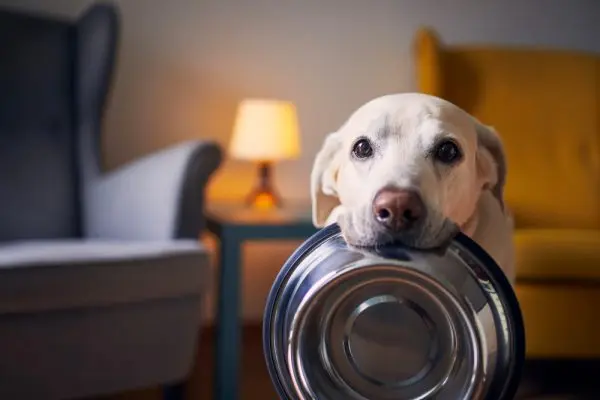
Dog Bowl Guide: Health & Hygiene
Material Matters: Beyond Stainless Steel
Choosing the right bowl impacts your dog’s well-being. Many owners focus on food quality, overlooking the importance of the dish itself. Selecting appropriate materials, ensuring durability, and maintaining cleanliness are crucial for a healthy pet. This guide explains how to make informed decisions.
Latest news
 Giant Dog's Embrace Offers Unexpected Comfort
 Dog's Sweet Devotion to Napping Cat Captured in Viral Video
 A Mother's Fierce Love: Dog Protects Her Newborns
 Shelter Dog Clings to Toy After Family Surrender
Dog bowls aren’t just containers. They directly affect your dog’s hygiene and health. Bacteria can thrive in microscopic films within bowls, potentially causing illness. Understanding bowl materials and cleaning routines is essential for responsible pet ownership. Different dogs also have different needs based on size and eating habits.
Stainless steel is a popular choice due to its durability and ease of cleaning. However, not all stainless steel is created equal. Look for high-quality, food-grade options. Plastic bowls are affordable but can harbor bacteria more easily. They also scratch and degrade over time, releasing microplastics into your dog’s food.
Can Dirty Bowls Really Make Dogs Sick?
Ceramic bowls offer a stylish alternative, but they can chip or crack, creating spaces for bacteria to grow. Glass bowls are non-porous and easy to sanitize, but they are breakable and not ideal for boisterous eaters. The best material depends on your dog's behavior and your cleaning habits.
Biofilms, complex communities of bacteria, readily form on bowl surfaces. These films are difficult to remove with standard washing. Regular, thorough cleaning is vital. Dishwasher-safe bowls simplify this process. Consider the dog’s eating style too. Fast eaters may benefit from bowls designed to slow consumption, reducing bloating and digestive issues.
Ignoring bowl hygiene can lead to bacterial infections and gastrointestinal upset. Symptoms include vomiting, diarrhea, and loss of appetite. Proactive cleaning and material selection can prevent these problems. Choosing the correct bowl size is also important to prevent neck strain during feeding.
Frequently Asked Questions
Ultimately, a clean, durable bowl contributes significantly to your dog's overall health. Prioritizing bowl quality alongside food quality demonstrates responsible pet ownership. Consistent cleaning and mindful material choices are key to preventing health issues and ensuring a happy, healthy companion.
What’s the best way to clean a dog bowl? Wash the bowl daily with hot, soapy water. For a deeper clean, sanitize it weekly with a diluted bleach solution or run it through the dishwasher. Ensure all soap residue is rinsed away.
Are elevated bowls beneficial for all dogs? Elevated bowls can aid larger breeds prone to bloating. However, they aren't necessary for all dogs and may not be suitable for smaller breeds or those with certain medical conditions. Consult your vet for personalized advice.
Content written by Jake Rivera for galore-pets.com editorial team, AI-assisted.