
Decoding Pet Food: Understanding What’s On The Label
What Do Ingredient Lists Actually Reveal?
Many pet owners find deciphering dog food labels challenging. Understanding these labels is crucial for responsible pet care. This applies to all dog owners, regardless of location, as regulations and marketing tactics vary. The information presented helps navigate the complexities of ingredient lists and nutritional information.
Latest news
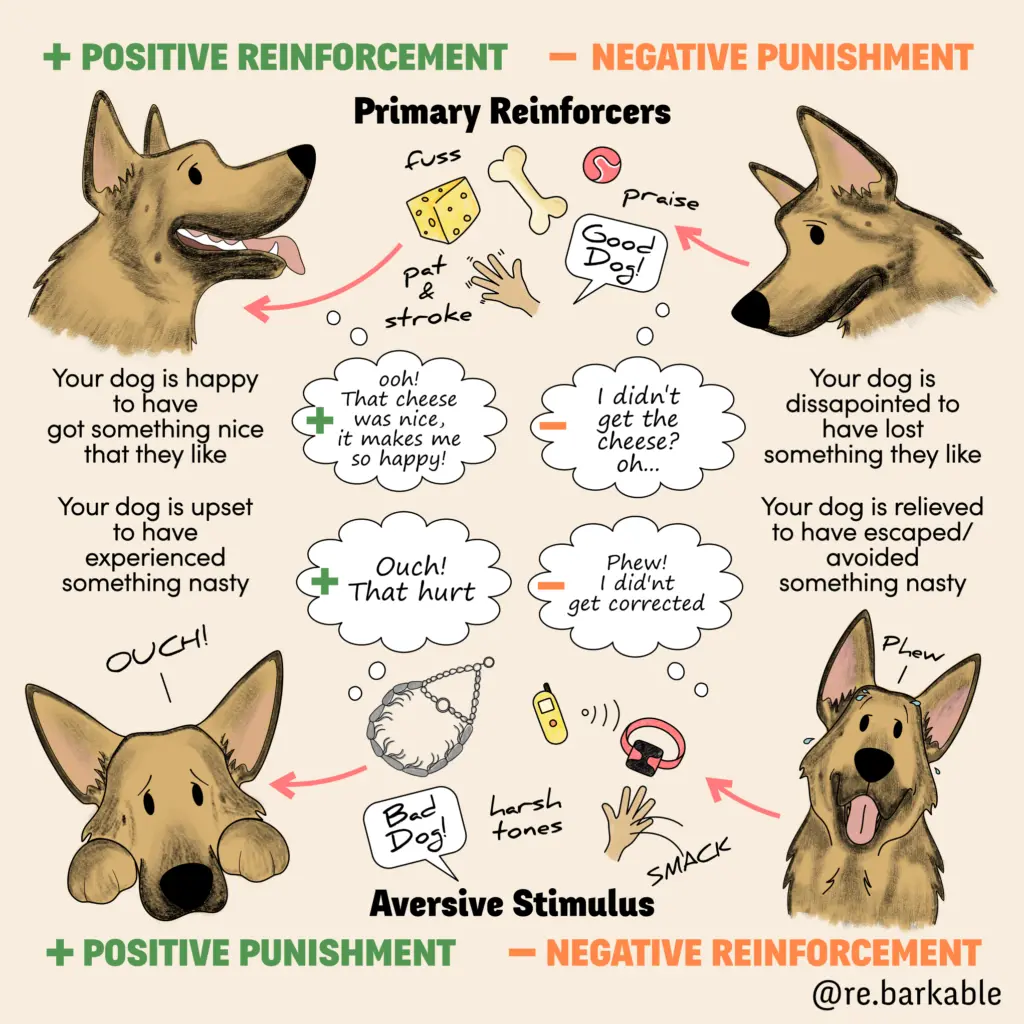 The Flaws of Punishment in Dog Training
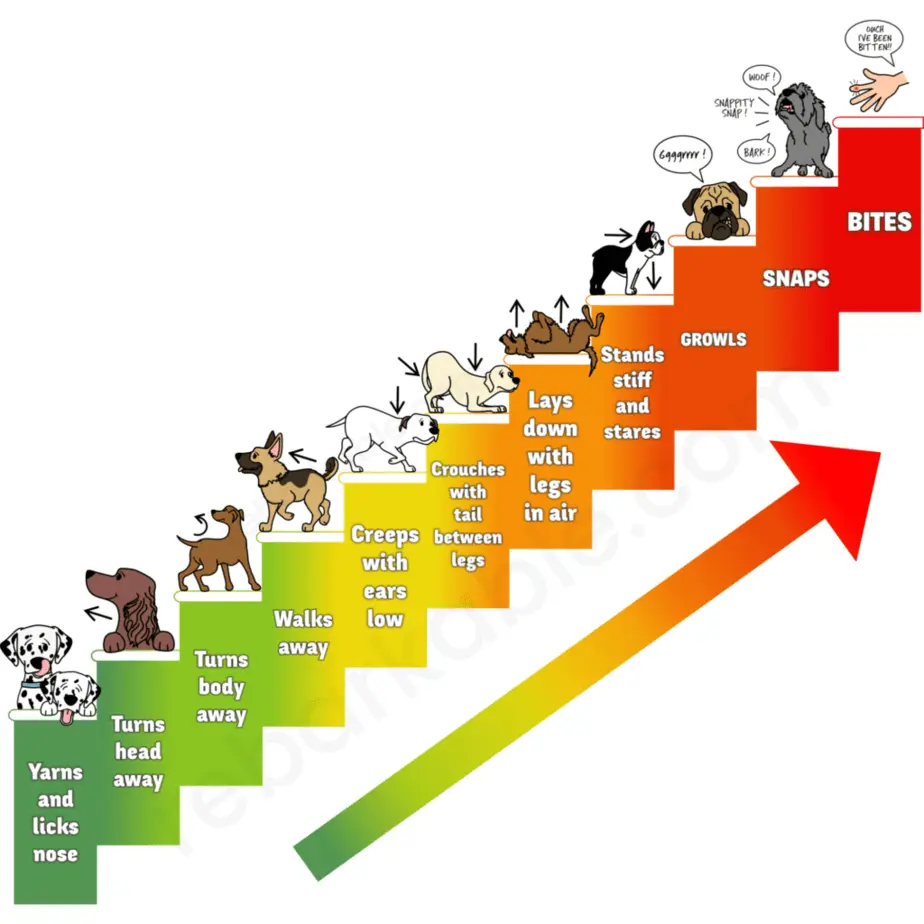 Puppy Growls: Understanding Playful vs. Aggressive Behavior
 Understanding Dog Muzzles: A Guide for Responsible Pet Owners
 Debunking the Myth: Tug-of-War Does Not Cause Dog Aggression
Dog food labeling involves several factors. These include legal requirements, nutritional content, listed ingredients, and marketing efforts. Manufacturers aim to attract consumers while adhering to regulations. However, the combination can create confusion for those seeking the best diet for their canine companions. Pet parents often struggle to translate the label’s information into understandable terms.
How Does Nutritional Analysis Differ From Ingredients?
The ingredient list details everything included in the food. Ingredients are generally listed by weight, from highest to lowest proportion. This means the first few ingredients make up the bulk of the product. It’s important to note that ingredient order doesn’t always indicate nutritional value. Water, for example, is often the first ingredient, but it doesn't contribute significantly to the food's nutritional profile.
Understanding ingredient terminology is also key. Terms like „meat meal” or „poultry by-product” can be concerning for some owners. However, these ingredients can be nutritious sources of protein. Conversely, a long list of seemingly healthy ingredients doesn’t guarantee a balanced diet. The quality and digestibility of ingredients matter more than sheer quantity.
What does „crude protein” actually measure?
Beyond the ingredient list, labels include guaranteed analysis. This section outlines the minimum percentages of crude protein and fat. It also details maximum percentages of crude fiber and moisture. This analysis provides a snapshot of the food’s macronutrient content. However, it doesn't reveal the bioavailability of those nutrients. Bioavailability refers to how well the dog can absorb and utilize them.
Furthermore, labels may include calorie content, expressed as metabolic energy (ME). This allows owners to compare the energy density of different foods. It's important to consider a dog’s activity level and overall health when determining appropriate portion sizes. A food with a higher calorie count may require smaller servings.
How can I determine if a food is truly balanced?
Ultimately, understanding dog food labels requires careful consideration. Pet owners should look beyond marketing claims and focus on both ingredient quality and nutritional analysis. This knowledge empowers them to make informed decisions about their dog’s diet. A well-informed choice contributes to a healthier and happier life for their pet.
Crude protein isn’t a precise measure of protein quality. It estimates the total protein content by measuring nitrogen levels. This method includes protein from all sources, including those that are not digestible. Therefore, a higher crude protein percentage doesn’t automatically mean the food is more nutritious.
Why are some ingredients listed as „by-products”?
Look for a statement on the label indicating the food meets the nutritional levels established by AAFCO. AAFCO stands for the Association of American Feed Control Officials. This statement confirms the food provides complete and balanced nutrition for a specific life stage, like growth or maintenance.
By-products are secondary products produced during the processing of meat or poultry. These can include organs, bones, and connective tissues. While the term can sound unappealing, by-products are often nutritious and digestible protein sources. They are a cost-effective way to provide essential nutrients.
Content written by Emily Brooks for galore-pets.com editorial team, AI-assisted.