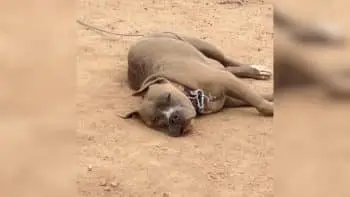
Deaf Rescue Dog Finds Forever Home After Years of Waiting
How Lisa Learned to Communicate With a Deaf Dog
Brad, a deaf rescue dog with a troubled past, spent years in shelters before being adopted by Lisa, a woman from Houston who saw beyond his disabilities. Found wandering the streets with a partially missing tail and untreated injuries, Brad had endured neglect and pain yet remained remarkably friendly toward strangers. His resilience caught the attention of shelter staff, who noted his gentle demeanor despite his hardships. Lisa first met Brad at a local adoption event, where she was drawn to his calm presence and unwavering trust in people. She decided to give him the stable, loving home he had long been denied.
Latest news
 Rescue Dog Shows Gratitude to Every Person Helping Her Heal
 Family Adopts Terminally Ill St. Bernard After Her Human Passes Away
 Neighbors Take Action After Town Ignores Abused Dog
 Retired Firefighter Reunited with Lost Dogs During Live Interview
Lisa quickly realized that traditional verbal commands wouldn’t work with Brad, so she adapted by using hand signals, facial expressions, and touch to build trust. She researched deaf dog training methods and worked with a behaviorist to establish clear, consistent cues for basic commands like sit, stay, and come. Over time, Brad began to respond eagerly, his tail wagging whenever he understood her signals. Lisa said she learned to „listen with her eyes,” noticing how Brad relied on vibrations and visual cues to navigate his world. Their bond deepened through patience and mutual understanding, transforming initial uncertainty into a strong companionship.
What Challenges Did Brad Face Before Adoption?
Before Lisa came along, Brad had been passed over multiple times due to his deafness and visible injuries, which some potential adopters mistakenly viewed as signs of aggression or poor health. Shelter records indicate he was overlooked for over two years, despite being described as affectionate and well-behaved by volunteers. His missing tail tip and old wounds were remnants of his time on the streets, but they did not affect his temperament. Staff emphasized that Brad’s disability did not define him—he was playful, attentive, and eager to please when given the chance. His story highlights how misconceptions about special needs animals can prolong their wait for homes.
How did Lisa know Brad was deaf? Lisa noticed Brad didn’t react to loud noises or verbal cues during their first meeting, and a vet later confirmed his deafness was likely congenital or due to untreated infection.
Frequently Asked Questions
Can deaf dogs live normal lives? Yes, deaf dogs can thrive with adapted communication methods; they rely on sight, touch, and vibration, and often form deep bonds with their caregivers.
Why are deaf dogs often overlooked in shelters? Many adopters fear they’ll be harder to train or unsafe around children, but experts say these concerns are usually unfounded with proper guidance and patience.