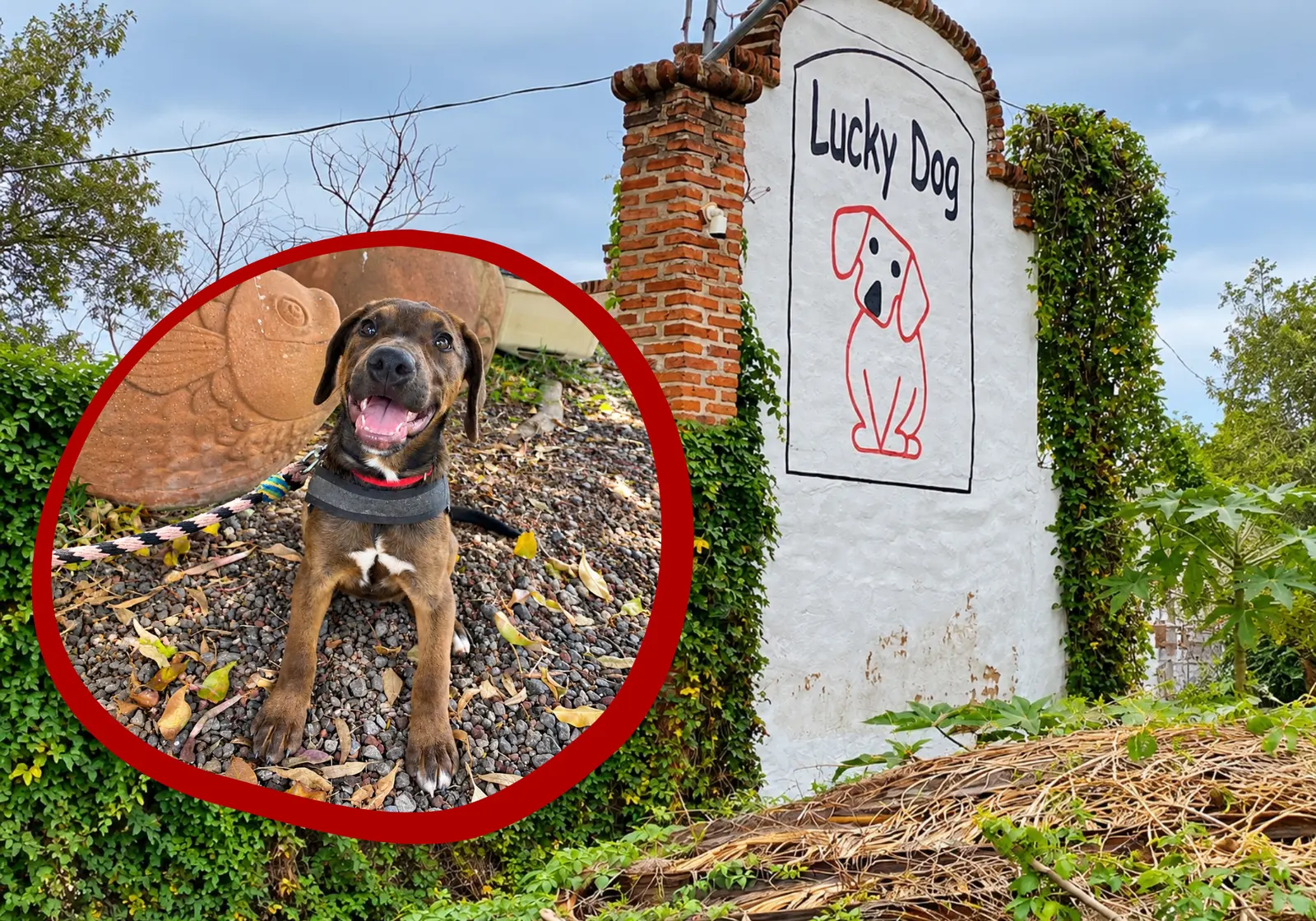
Dave Coverly Explains What Makes a Dog Lucky in the „Speed Bump” Comic
Luck Is a Community Effort
Coverly suggests that a dog’s fortunate destiny is not just external chance but how people see and treat the animal. At Lucky Dog Rescue, dogs awaiting adoption receive constant attention from devoted volunteers. In this setting, luck becomes an active construction, the product of daily effort by people who donate time and energy to animal welfare.
Latest news
 Rescue Dog Shows Gratitude to Every Person Helping Her Heal
 Family Adopts Terminally Ill St. Bernard After Her Human Passes Away
 Neighbors Take Action After Town Ignores Abused Dog
 Retired Firefighter Reunited with Lost Dogs During Live Interview
Roles Within the Rescue
Every team member at Lucky Dog contributes in a specific way. Some handle regular walks, others focus on training or cleaning the kennels. A few coordinate fundraising and manage veterinary needs. Some foster dogs in their homes, giving them a familiar environment before permanent adoption. Administrative staff handle the behind‑the‑scenes tasks that keep the center running. The variety of roles shows that everyone can offer something, regardless of skill level.
Mark, Nancy, and Thursday Collaboration
During my visit, I met Mark and Nancy, two volunteers who anchor the Thursday group that Mark originally organized. Mark gathered a community of helpers, turning Thursday into a day of collaboration. He explained that volunteers need not take on every task; simply showing up and contributing what they can is enough. Although Mark’s knee injury limits his ability to walk the gravel paths, he and Nancy find a crucial niche. They place chairs in the kennels and spend about twenty minutes with the dogs, offering pets, treats, gentle words, and ear scratches. The dogs settle happily beside them, proving that direct human interaction is a major source of comfort.
Daily Routine and Care Structure
Lucky Dog follows a structured schedule that provides stability. Dogs are housed in pairs in spacious kennels during the day, then taken out for long walks or play in the large surrounding gardens. In the mornings and evenings, Valentin, one of only two paid employees, moves the dogs between day and night kennels and serves breakfast and dinner. Volunteers step in for walks, playtime, training sessions, and midday meals. At night, dogs return to smaller individual kennels for quiet rest. When medical care is needed, a veterinarian visits the center, and volunteers follow prescribed treatment plans. This synergy between staff and volunteers creates a complete support ecosystem.
History and Impact
Lucky Dog Rescue traces its roots to 2001, when Geoffrey Kaye and Lourdes Avila founded an animal shelter in Riberas del Pilar. That original shelter closed in 2012, but the drive to help local dogs persisted. Volunteers reorganized with veterinarian Antonio Ladron, opening the new Lucky Dog Rescue and Adoption in December 2012. Since then, the center has sheltered abandoned and abused dogs, preparing them for permanent families. In 2025, the center took in 23 dogs and placed all 23 for adoption or transfer. About 35 new volunteers joined, with roughly 30 committing to weekly work. Although the planned capacity is 22 spots, the monthly average dog population reached nearly 30, highlighting strong demand and involvement.
Individual Stories and Temperaments
Each dog at Lucky Dog has a unique personality. Spicy, for example, reacts strongly to other dogs and requires separate housing. Mark has built a close bond with her, and Spicy clearly signals where she wants attention. Mark recounts that Spicy loves him but becomes upset when he pets another dog in a different kennel, forcing him to hide his actions—a humorous reminder of the need to understand each animal’s temperament.
Volunteer Importance and Mission
Hope Procops, a gardener and guard at Lucky Dog, stresses that volunteers are vital to such organizations. She notes that the mission goes beyond simple daily tasks; it includes holistic care and preparing dogs for life after the shelter. Lucky Dog’s stated goal is to ensure every dog in its care stays healthy, loved, sociable, and has the best chance of finding a forever home.
Training for Transition
Camille Short leads volunteer and dog training. Her approach goes beyond basic commands, focusing on equipping animals with the tools they need to succeed in future family environments. By blending strict routines with personalized interaction and a robust organizational structure, Lucky Dog shows that a dog’s luck ultimately results from a community that actively chooses to make a difference, turning waiting into positive experiences and thorough preparation for new homes.