
Choosing the Right Leash for Large Dogs: Safety and Comfort
Durability Matters for Powerful Pups
iHeartDogs recently published a guide highlighting twelve top leashes designed for big dogs. The piece, aimed at owners who walk or train powerful canines, stresses that a leash is more than an accessory—it’s a vital safety tool. Readers can learn which products balance strength, control, and comfort, helping them avoid injuries during daily walks or training sessions.
Latest news
 Tiny Gray Kitten Rescued From Busy New York Construction Site
 The Resilient Mother: A Cat and Her Five Kittens Face Life‑Saving Struggle Behind a Nail Salon
 Tiny Tuxedo Kitten Becomes Viral Sensation for Vocalizing During Mealtime
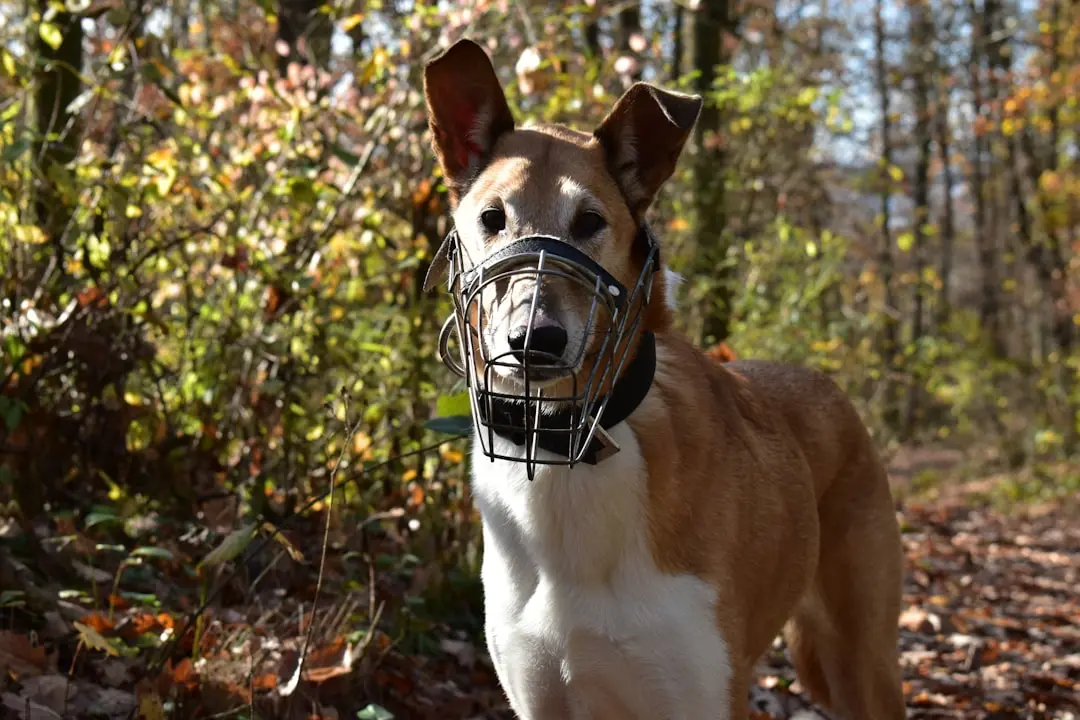 Keeping Your Scavenging Dog Safe During Daily Walks
Large breeds demand leashes that can withstand pulling, resist wear, and stay comfortable against thick necks and shoulders. The guide explains that material choice, clasp design, and length all influence a leash’s performance. Strong fibers such as nylon or leather reduce the risk of snapping, while padded handles protect owners’ hands from strain. Adjustable features let walkers tailor tension to each dog’s temperament, ensuring smoother walks and safer handling.
When a dog’s weight exceeds fifty pounds, the leash must absorb significant force without fraying. The article notes that reinforced stitching and double‑woven fabrics extend a leash’s lifespan, especially in harsh weather. Some models incorporate metal hardware that resists corrosion, a key factor for owners who walk in rain or snow. In testing, leashes that combine a sturdy core with a flexible outer layer performed best, offering both resilience and a comfortable grip.
Which Leash Features Matter Most for Large Breeds?
Choosing a leash involves more than picking the toughest material. The guide highlights the importance of a secure clasp that locks firmly yet releases quickly in emergencies. A reflective strip can improve visibility during dusk walks, while a swivel snap prevents tangles when a dog changes direction. Length also plays a role: a standard six‑foot leash offers control, whereas a longer, retractable option gives a dog room to explore while keeping the owner within reach.
Selecting the appropriate leash can prevent accidents, reduce strain on both dog and owner, and enhance training outcomes. As more pet parents prioritize safety, manufacturers are likely to innovate with lighter yet stronger fibers and ergonomic designs. The growing focus on durability and comfort suggests that future products will further bridge the gap between performance and ease of use, ensuring that walks with large dogs remain enjoyable for everyone involved.
Frequently Asked Questions
What material is best for a leash used with a heavy‑pulling dog? High‑tenacity nylon and full‑grain leather are top choices because they resist tearing and can handle strong pulls without stretching.
How often should a leash be inspected for wear? Owners should check the leash before each walk, looking for frayed edges, loose stitching, or weakened hardware, and replace it promptly if any damage is found.
Is a retractable leash safe for large dogs? Retractable leashes can be safe if the dog is well‑trained, but they offer less immediate control than a fixed‑length leash, so many experts recommend a sturdy, fixed leash for powerful breeds.
Content written by Tom Harrison for galore-pets.com editorial team, AI-assisted.