Cat Breeds Defined by Distinctive Ear Shapes and Structures
The Spectrum of Feline Ear Anatomy
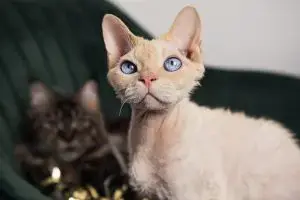
Cats display a wide variety of ear morphologies, ranging from large triangular shapes to permanently folded structures. These physical traits define specific breeds and influence their overall appearance. Understanding these variations helps owners identify distinct feline types. The ear shape is a primary marker for breed classification in the cat world. This feature is often the first thing observers notice when distinguishing between different cat lines.
Latest news
 Rescue Dog Shows Gratitude to Every Person Helping Her Heal
 Family Adopts Terminally Ill St. Bernard After Her Human Passes Away
 Neighbors Take Action After Town Ignores Abused Dog
 Retired Firefighter Reunited with Lost Dogs During Live Interview
The most notable variation involves the Scottish Fold. In this breed, a genetic mutation causes the cartilage to bend forward and down. This results in ears that lie flat against the head. The effect creates a rounded, owl-like profile. Owners often describe the look as endearing and unique. However, this trait requires careful genetic management to avoid health complications associated with excessive folding.
Beyond the famous fold, several other breeds stand out for their ear distinctiveness. The Maine Coon is renowned for its large, pointed ears. These ears often feature prominent tufts of hair at the tips. This feature enhances their wild, lynx-like appearance. The size of the ear relative to the head is significant. It contributes to the breed's robust and imposing physical presence.
Another notable group includes cats with rounder ear bases. The American Curl is a prime example. Here, the ears curl backward and outward in a distinctive arc. This curl is permanent and does not flatten over time. The structure is unique because the cartilage grows in a specific direction. It differs from the Scottish Fold’s forward fold. This backward curl gives the cat a playful and inquisitive expression.
Why Do Ear Shapes Vary So Much?
The Oriental Shorthair presents a different extreme. These cats possess very large, wide-set ears. The base of the ear is broad, and the tips are pointed. This shape aligns with the breed's wedge-shaped head. The ears appear disproportionately large compared to the face. This feature contributes to the breed's elegant and exotic aesthetic.
Genetic diversity is the primary driver of these differences. Each breed has been selectively bred for specific physical traits over generations. Ear shape is a key component of these breed standards. Breeders aim to preserve these unique characteristics. This ensures the breed remains recognizable and distinct. The variation is not random; it is the result of careful selection.
Health considerations are also important. While ear shape is largely cosmetic, some variations can impact hearing or skin health. For instance, folded ears may trap debris more easily. Owners must monitor these areas for cleanliness. Regular grooming helps prevent infections. The structure of the ear also affects how sound is captured. Larger ears may offer slightly different auditory sensitivity. This is a subtle but interesting aspect of feline biology.
Frequently Asked Questions
The diversity in ear shapes highlights the complexity of cat genetics. It shows how small changes in cartilage development can lead to dramatic visual differences. These traits are central to the identity of each breed. They serve as a visual signature for cat enthusiasts.
Do folded ears affect a cat's hearing? Generally, no. Most Scottish Folds hear normally. However, some may have mild hearing impairments. Regular veterinary checks are recommended to monitor ear health and function.
Are large ears a sign of good health? Not necessarily. Ear size is a breed-specific trait. Health is determined by overall condition, not just ear dimensions. A healthy cat can have small, large, or folded ears.
Can ear shape be changed with age? No. Ear structure is determined by cartilage development. It is fixed after the kitten stage. The shape will not change as the cat matures into adulthood.