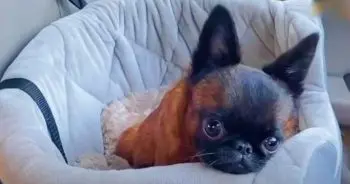
Breeder Hides Dwarfsim From New Owner, Vet Reacts With Shock
The Vet’s Unusual Diagnosis
Casey recently adopted a Brussels Griffon named Dottie from a local breeder. The puppy appeared unusually small for her age, prompting Casey to schedule a veterinary checkup. The veterinarian was visibly surprised by the dog’s tiny stature. He stated that he had never encountered a canine of such minuscule size in his professional career. This discovery raised immediate questions about the animal’s health and genetic background.
Latest news
 Rescue Dog Shows Gratitude to Every Person Helping Her Heal
 Family Adopts Terminally Ill St. Bernard After Her Human Passes Away
 Neighbors Take Action After Town Ignores Abused Dog
 Retired Firefighter Reunited with Lost Dogs During Live Interview
The breeder had presented Dottie as a standard-sized puppy. However, Casey noticed the dog was not growing at a typical rate. She decided to investigate further after observing Dottie’s lack of physical development over time. The vet’s reaction confirmed her suspicions that something was wrong. Casey felt misled by the initial information provided during the adoption process. She was determined to uncover the truth about her new pet’s condition.
The veterinarian examined Dottie thoroughly to determine the cause of her stunted growth. He noted that her bones and organs were proportionally correct for her size. This indicated a specific genetic condition rather than a disease or malnutrition. The doctor explained that Dottie likely suffered from dwarfism. This condition limits bone growth but does not necessarily affect lifespan. Casey learned that her dog was healthy but genetically distinct. The vet assured her that Dottie could live a normal, happy life with proper care.
Why Transparency Matters in Pet Adoption
Casey was initially worried about the financial and medical implications. She had budgeted for a standard-sized dog. Caring for a dwarf breed requires specific dietary adjustments. The vet provided a detailed care plan to manage Dottie’s unique needs. Casey felt a mix of relief and frustration. She was glad Dottie was healthy but upset by the lack of transparency. The breeder had failed to disclose this significant genetic trait.
This incident highlights a critical issue in the pet industry. Breeders have a moral obligation to disclose known genetic conditions. Hiding such information can lead to unexpected costs for owners. It also places stress on the animal’s new environment. Casey’s experience serves as a warning to prospective buyers. Always ask detailed questions about a puppy’s lineage and health history. Requesting veterinary records before adoption is a standard best practice. Owners should verify that breeders are reputable and transparent.
Casey has decided to keep Dottie despite the deception. She loves the dog’s affectionate and independent personality. Dottie is described as super loving when she chooses to be. Her small size does not limit her spirit or energy. Casey is now an advocate for ethical breeding practices. She shares her story to help others avoid similar situations. The veterinary community is also taking note of this case. They emphasize the importance of accurate health disclosures.
Frequently Asked Questions
What is the likely condition causing Dottie’s small size? Dottie likely has genetic dwarfism. This condition restricts bone growth but leaves other organs proportional. It is a congenital trait rather than an acquired disease.
Did the breeder admit to hiding the information? The source does not specify if the breeder admitted to the deception. Casey felt misled by the initial presentation of the puppy. The lack of disclosure was the primary issue.
Can a dwarf dog live a normal life? Yes, with proper care, they can live healthy lives. Specific dietary needs and regular vet checkups are essential. Their lifespan may vary but is often normal.