Botflies in Dogs: Causes and Treatment
Identifying the Problem
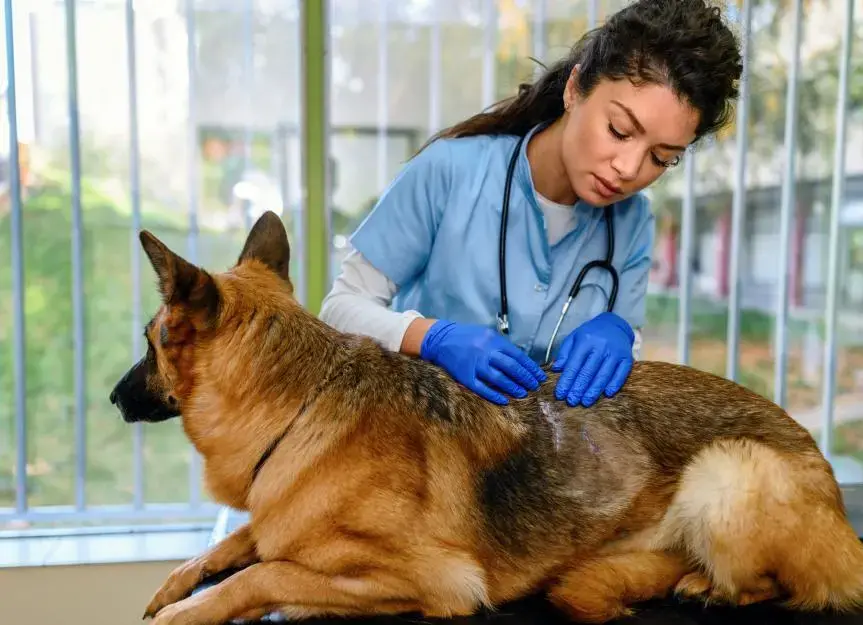
Dogs infected with botflies have parasitic larvae growing under their skin, typically causing a swollen lump with a small breathing hole. This condition is usually not life-threatening. The larvae grow beneath the skin, causing discomfort to the dog.
Latest news
 Rescue Dog Shows Gratitude to Every Person Helping Her Heal
 Family Adopts Terminally Ill St. Bernard After Her Human Passes Away
 Neighbors Take Action After Town Ignores Abused Dog
 Retired Firefighter Reunited with Lost Dogs During Live Interview
The swollen lump caused by botflies can be painful for dogs and may become infected if not treated properly. The lump typically has a small hole, allowing the larva to breathe. If left untreated, the larva will continue to grow, potentially causing more severe symptoms.
What's the Best Way to Remove Botflies?
Veterinarians usually remove botfly larvae by surgically extracting them from under the dog's skin. In some cases, the larvae can be coaxed out using petroleum jelly or other substances that cut off their air supply. After removal, the wound is typically cleaned and treated to prevent infection.
The presence of botflies in dogs is often associated with outdoor activities, as the flies that lay the eggs are typically found in rural or wilderness areas. Dogs that spend a lot of time outdoors are more likely to become infected.
Can botflies be transmitted to humans? Botflies can infect humans, although this is relatively rare. Human infection typically occurs through contact with contaminated soil or other materials.
Frequently Asked Questions
Are botflies contagious to other dogs? Botflies are not directly contagious to other dogs; each dog must come into contact with the botfly eggs or larvae individually.
How can I prevent my dog from getting botflies? Preventing botfly infection involves limiting your dog's exposure to areas where botflies are common and regularly inspecting your dog for signs of infection.