
Blind Dog Leo Communicates Feelings Through His Expressive Face
The Language of a Blind Canine
Leo, a blind Jindo mix, spends his days at a family campsite in the Pacific Northwest. The dog lies beside his owner and a younger companion inside a canvas tent, listening to the rustle of leaves, distant bird songs, and the hum of insects. Though he cannot see the world around him, his facial expressions reveal his emotions to those nearby.
Latest news
 Rescue Dog Shows Gratitude to Every Person Helping Her Heal
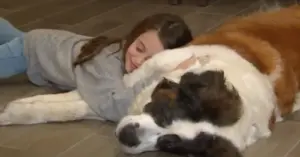 Family Adopts Terminally Ill St. Bernard After Her Human Passes Away
 Neighbors Take Action After Town Ignores Abused Dog
 Retired Firefighter Reunited with Lost Dogs During Live Interview
Leo’s owner, Maya Patel, adopted him after a veterinary exam confirmed total blindness caused by a genetic condition. She set up a routine of tactile cues and scent markers to help him navigate. At the campsite, Leo’s ears swivel toward each new sound, and his eyebrows lift or furrow, signaling curiosity, alertness, or contentment. „When a sparrow lands on the nearby branch, his ears perk up and his eyes widen as if he’s watching a movie,” Patel explains. The dog’s ability to read the environment through sound and smell, combined with his expressive face, creates a unique bond with the humans and the other dog, Max, who often nudges Leo for reassurance.
Leo’s facial muscles move in ways that mirror typical canine body language, but his blindness amplifies the visual cues for his owners. Researchers note that blind dogs often develop heightened facial expressiveness to compensate for their lack of visual communication. In Leo’s case, a slight twitch of his lip indicates excitement, while a slow blink suggests relaxation. „He’s like a living mood board,” says Patel. The camp’s natural setting provides a rich tapestry of auditory stimuli, allowing Leo to practice his sensory skills. He reacts to the wind rustling through pine needles by turning his head toward the source, then settling back with a soft sigh when the breeze fades.
Can Blind Dogs Fully Adapt to Outdoor Life?
Experts affirm that blind dogs can thrive outdoors when provided with consistent routines and safe environments. A local trainer, Carlos Mendes, notes that „regular exposure to controlled outdoor spaces helps blind dogs build confidence.” Leo’s experience demonstrates that with patient guidance, a blind dog can enjoy camping trips, hikes, and social interactions. Mendes adds that scent markers, such as pine cones or scented sprays, give blind dogs reference points, reducing anxiety. Leo’s calm demeanor around unfamiliar sounds shows that he trusts his human’s voice and the familiar scent of the tent.
Leo’s story underscores the resilience of animals with sensory impairments. As more owners adopt blind pets, the emphasis on adaptive training and environmental design grows. Future campsites may incorporate tactile pathways and scent cues, making outdoor recreation more inclusive for all dogs.
Frequently Asked Questions
How can I tell if a blind dog is happy? Look for relaxed ears, a soft mouth, and a gentle wag of the tail. Blind dogs often use facial expressions, like a slight smile or a slow blink, to show contentment.
What safety measures are needed for blind dogs at a campsite? Create a consistent layout with familiar scents, keep the tent entry clear, and use a leash or harness when exploring. Avoid sudden loud noises that could startle the dog.
Do blind dogs need special veterinary care? They require regular eye examinations to monitor underlying conditions, but otherwise follow the same health regimen as sighted dogs, with added attention to nutrition and mental stimulation.