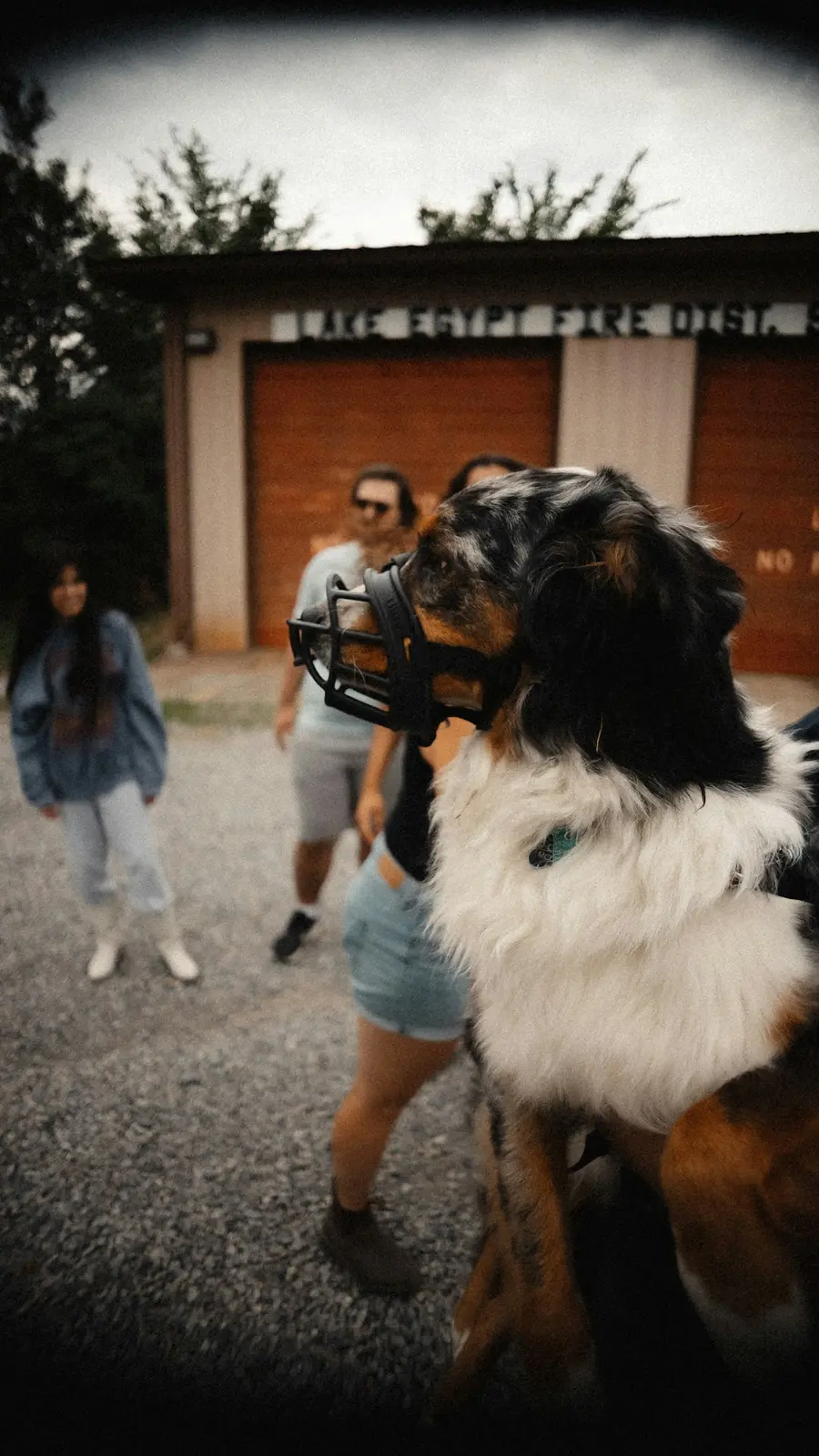
Best Muzzles for Dogs That May Bite: What Really Matters
Why a Muzzle Is Not a Behavior Cure
A dog that snaps or bites poses a safety risk, but the first step isn’t choosing a muzzle. Owners must ask why the dog is aggressive and whether their own actions are worsening the problem. A muzzle can buy extra reaction time, yet it does not solve underlying issues such as forced handling, ignored boundaries, or poor training.
Latest news
 Rescue Dog Shows Gratitude to Every Person Helping Her Heal
 Family Adopts Terminally Ill St. Bernard After Her Human Passes Away
 Neighbors Take Action After Town Ignores Abused Dog
 Retired Firefighter Reunited with Lost Dogs During Live Interview
Understanding the root cause of a bite is essential before any equipment is considered. Many owners reach for a muzzle as a quick fix, but without addressing triggers—fear, pain, territoriality, or lack of socialization—the dog’s behavior is likely to persist. A well‑fitted muzzle can protect people and give the handler a moment to intervene, but it cannot replace consistent training, clear rules, and humane handling techniques. Experts stress that a muzzle should be part of a broader behavior‑modification plan, not a standalone solution.
Muzzles are designed to prevent a dog from opening its mouth fully, limiting the ability to bite. They are useful in crowded public spaces, veterinary visits, or during grooming when a dog may feel threatened. However, they do not address the emotional or physical triggers that cause a dog to bite. If a dog is forced into uncomfortable situations, such as being restrained against its will, the muzzle may simply mask a deeper problem. Ignoring the dog’s signals—growls, stiff body language, or avoidance—can reinforce fear and aggression. Trainers recommend using muzzles only after the dog has learned to respond to basic commands and respects personal space.
Can a Muzzle Prevent Future Bites, or Just Delay Them?
A muzzle provides a temporary safety net, but it does not teach the dog alternative behaviors. Without proper training, the dog may become more reliant on the muzzle, and the underlying aggression can resurface when the device is removed. Professionals advise pairing muzzles with positive‑reinforcement training, desensitization to stressors, and clear boundaries. This combined approach helps the dog learn that it does not need to resort to biting to protect itself or its resources.
The consequences of ignoring the root cause can be severe. Unaddressed aggression may lead to legal liability, loss of the dog’s privileges, or even euthanasia in extreme cases. Conversely, a thoughtful plan that includes a well‑chosen muzzle, consistent training, and respect for the dog’s limits can reduce bite incidents and improve the human‑dog relationship. Owners who invest time in understanding their dog’s triggers are more likely to see lasting improvement and safer interactions.
Frequently Asked Questions
Is a muzzle a humane tool for aggressive dogs? When fitted correctly and used as part of a comprehensive training program, a muzzle is humane because it prevents injury while the dog learns better coping strategies.
How should I choose the right muzzle size? Measure the dog’s snout from tip to the base of the nose and select a muzzle that allows the dog to breathe, drink, and pant comfortably without slipping off.
Can I rely on a muzzle for long‑term behavior change? No. A muzzle only limits biting in the moment; lasting change requires addressing the underlying causes through training and proper handling.