Best Dog Food Choices for Pomeranians: From Puppies to Adults
Tailoring Portions for Tiny Tails
A Pomeranian’s diet is a key factor in its health and happiness. Pet owners now have a range of options, from specially formulated puppy blends to adult formulas, and even fresh meal alternatives. Choosing the right food involves considering portion size, texture, storage, and daily cost.
Latest news
 Man Saves Puppies from Well, Then Cleans Up the Mess
 A Grieving Pit Bull Finds New Purpose After Adopting An Orphaned Puppy
 Joyful Reunion Brings Tears to a Young Girl After Two Months Apart
 A Devoted Pet Owner Finds Hope After Tragedy Strikes in Florida
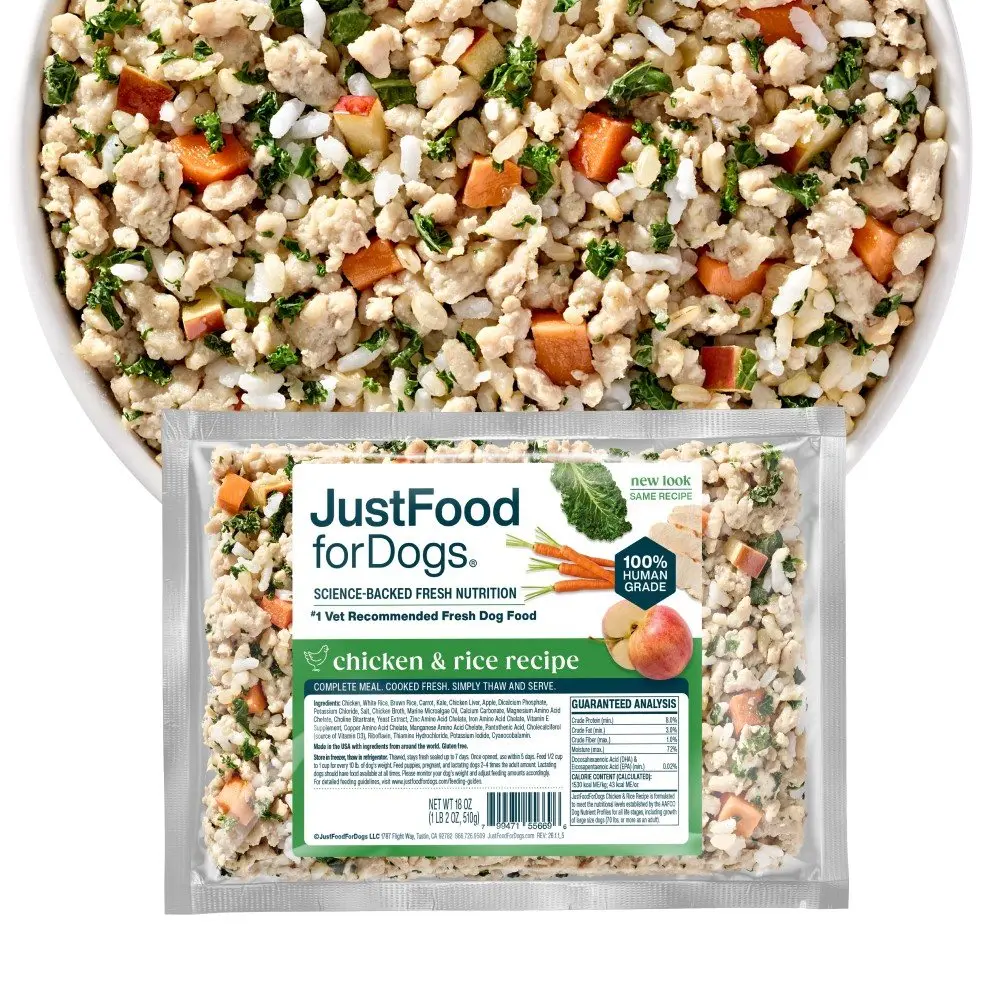
When feeding a Pomeranian, the dog’s small size means portions are tiny—often just a few grams per meal. Puppies require higher protein and calories to support rapid growth, while adults benefit from balanced nutrients that keep their coats shiny and joints strong. Fresh meals offer a natural, grain‑free alternative that many owners prefer for their dogs’ digestive health.
Texture Matters: From Crunchy Kibble to Tender Fresh Food
Because Pomeranians are miniature, a single kibble can be too large for them to chew comfortably. Many brands now offer smaller kibble sizes or soft, bite‑sized pieces that fit a Pomeranian’s mouth. Feeding guidelines recommend measuring food by weight rather than volume to ensure accurate portions. A typical adult Pomeranian might eat 30–40 grams of kibble twice a day, while a growing puppy may need up to 70 grams per day, split into multiple small meals.
Texture influences both palatability and digestion. Kibble provides dental benefits by helping to reduce plaque, but some Pomeranians may prefer softer food that is easier to chew. Fresh meals—often made with real meat, vegetables, and whole grains—offer a moist texture that can be more appealing, especially for older dogs with dental issues. Veterinarians suggest rotating between kibble and fresh meals to keep a dog’s diet varied and interesting.
Storage Tips for Fresh and Dry Foods
Dry kibble should be kept in a cool, dry place and sealed in an airtight container to preserve freshness. Fresh meals, on the other hand, require refrigeration and should be used within 48 hours of preparation. Some owners freeze portions of fresh food in small bags, allowing them to thaw gradually over a few days. Proper storage prevents bacterial growth and ensures the food remains safe for consumption.
The price of a Pomeranian’s food can vary widely. A high‑quality kibble may cost between $0.10 and $0.20 per gram, while fresh meal options can range from $0.25 to $0.40 per gram. Over a month, this translates to roughly $20–$35 for kibble and $50–$70 for fresh meals. Many pet owners find that a mixed feeding strategy—using kibble for everyday meals and fresh food for treats or special occasions—offers a compromise between cost and nutrition.
Daily Cost: Balancing Quality and Budget
Owners often wonder whether the higher cost of fresh meals is justified. Veterinarians note that fresh food can reduce the risk of food allergies and improve gastrointestinal health. However, it requires more preparation time and careful storage. For dogs with sensitive stomachs or specific dietary needs, the investment may pay off in fewer vet visits and a more vibrant life.
Is a Fresh Diet Worth the Extra Expense?
The future of Pomeranian nutrition looks toward personalized diets. Advances in pet nutrition science are enabling brands to create formulas tailored to individual dogs’ genetics, activity levels, and health conditions. As more owners seek customized options, the market is expanding beyond generic kibble to include precise, small‑serving, and fresh meal solutions.
What is the ideal daily calorie intake for a Pomeranian puppy? A puppy typically requires about 400–500 calories per day, divided into three small meals. This supports rapid growth while preventing obesity.
Frequently Asked Questions
Can I mix kibble and fresh food in the same bowl? Yes, mixing the two can provide texture variety and help transition a dog to a new diet. Start with a small amount of fresh food and gradually increase.
How long can I store fresh meals in the fridge? Keep fresh meals refrigerated for no more than 48 hours. For longer storage, freeze portions and thaw only what will be used within a day or two.
Content written by The Vetstreet Team for galore-pets.com editorial team, AI-assisted.