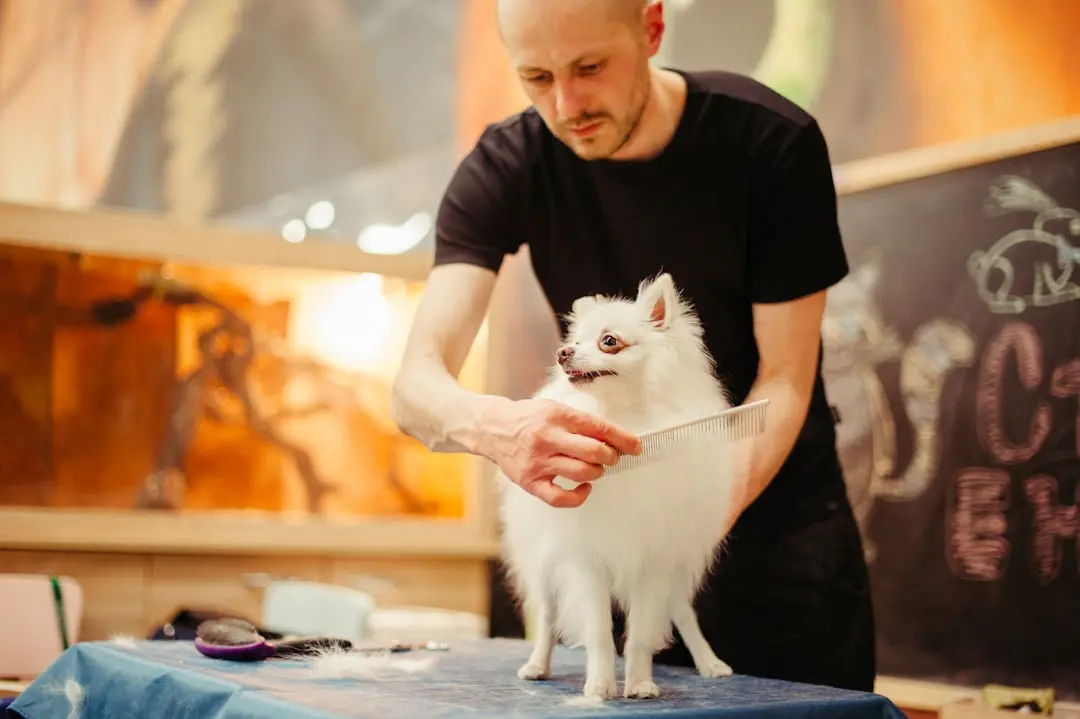
Best Dog Brushes for Shedding, Detangling & Everyday Grooming (2026)
Match the Brush to the Coat Type
Choosing the right dog brush is harder than it should be. With slickers, pin brushes, rubber curry combs, and de-shedding blades all vying for attention, pet owners often end up buying the wrong tool for their dog's coat type. This guide breaks down which brush fits which coat, so you can stop guessing and start grooming with confidence.
Latest news
 Rescue Dog Shows Gratitude to Every Person Helping Her Heal
 Family Adopts Terminally Ill St. Bernard After Her Human Passes Away
 Neighbors Take Action After Town Ignores Abused Dog
 Retired Firefighter Reunited with Lost Dogs During Live Interview
The core issue is that no single brush works for every dog. A double-coated breed needs an undercoat rake to reach the dense underlayer, while a short-haired dog only needs a soft-bristle brush to remove surface dirt. Doodles and poodles, with their curly coats, require a pin brush or comb to prevent matting without pulling.
Coat structure determines tool selection. Double-coated dogs like Huskies and German Shepherds shed heavily and benefit from an undercoat rake that removes loose hair without stripping the topcoat. Short-haired breeds such as Beagles or Boxers do well with a rubber curry comb or soft-bristle brush. Curly-coated dogs like Poodles need a pin brush or wide-tooth comb to detangle curls without causing stress.
Why Does Brush Choice Matter More Than Brand?
Trainers and groomers emphasize that using the wrong brush can damage the coat or cause skin irritation. A slicker brush, for example, is excellent for removing loose hair but can be too aggressive for short or sensitive skin.
Brand marketing often pushes expensive tools, but the real differentiator is bristle type, spacing, and intended use. A well-made, moderately priced brush matched to the coat type will outperform a premium tool used on the wrong dog.
The takeaway for 2026: identify your dog's coat type first, then select the brush that addresses that specific need. Regular grooming with the correct tool reduces matting, controls shedding, and strengthens the bond between owner and pet.
Frequently Asked Questions
Which brush is best for heavy shedders? An undercoat rake is the top choice for double-coated breeds. It reaches the dense underlayer where most loose hair accumulates.
Can one brush handle all coat types? No. A single brush rarely suits every coat. Short-haired dogs need soft bristles, while curly coats need pin brushes or combs to avoid pulling.
How often should I brush my dog? Frequency depends on coat type. Double-coated dogs may need daily brushing during shedding season. Short-haired dogs can be brushed weekly. Curly coats require regular combing to prevent mats.