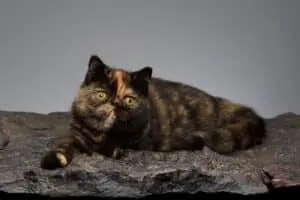
Best Cat Breeds for Backpackers in 2026
Trail‑Ready Traits: What Makes a Cat Backpacker’s Best Friend
Backpackers across the globe are finding that cats can be as adventurous as their human companions. Over the past year, pet‑travel experts have identified fifteen breeds that thrive on the trail. These cats are known for their resilience, trainability on a leash, and strong bonds with people. Whether you’re hiking the Appalachian Trail or trekking the Andes, these breeds can keep up with your outdoor lifestyle.
Latest news
 Walmart's Festive Cat Tree Features Reindeer Antlers and Gold Star Topper
 Healthy Pumpkin Treats for Dogs: 7 Top Picks
 Anthropologie’s Clear Acrylic Pet Gate Keeps Pets Out Without Ruining the Room
 5 Best Peanut Butter Dog Treats
The selection is based on a blend of temperament, physical endurance, and adaptability to different environments. Each cat has been evaluated for its ability to handle variable climates, rough terrain, and the demands of long‑term travel. Owners report that these breeds maintain calm behavior in crowded campsites and are quick to acclimate to new settings.
Can a Cat Really Hike? Training Tips and Safety Measures
Cats that excel on the trail share several key characteristics. They are generally medium to large in size, which provides the muscle needed for carrying gear and navigating uneven ground. Their coats are often dense or water‑resistant, shielding them from rain and wind. Many of these breeds enjoy being walked on a harness, allowing them to explore safely without the risk of escape. Social cats that thrive on human interaction are more likely to stay calm around unfamiliar people and animals.
The top fifteen breeds include the energetic Bengal, the sleek Abyssinian, the robust Maine Coon, the hardy Norwegian Forest Cat, the playful Scottish Fold, the affectionate Ragdoll, the agile British Shorthair, the resilient Turkish Van, the sturdy American Bobtail, the curious Siamese, the protective Persian, the adventurous Savannah, the sturdy British Longhair, the resilient Burmese, and the adaptable Russian Blue. Each of these breeds brings a unique blend of strength, curiosity, and loyalty that makes them ideal for the great outdoors.
Are These Cats Suitable for All Backpackers? A Question of Lifestyle
Training a cat to walk on a leash begins with a comfortable harness fit. Owners should introduce the harness gradually, rewarding calm behavior with treats. Once the cat is accustomed to wearing it, short walks in familiar surroundings help build confidence. It is essential to keep the cat’s weight balanced and to avoid over‑exertion, especially in hot or high‑altitude conditions. Regular veterinary check‑ups are crucial to ensure the cat’s health during extended trips.
Safety on the trail also involves protecting the cat from predators, insects, and extreme weather. Many backpackers carry a lightweight, breathable cat carrier for rest periods, and some use a portable water bowl to keep their feline companion hydrated. Feeding schedules are adjusted to the cat’s energy needs, with high‑protein, low‑carbohydrate meals that sustain stamina without causing digestive upset.
Frequently Asked Questions
Backpackers who prefer solo journeys or small group hikes may find these breeds particularly well‑suited. The cats’ independent nature means they can rest while their owner explores new trails. However, those who travel with large families or in highly populated campsites might need to train their cats to tolerate noise and crowds. The key is to assess the cat’s temperament and to provide consistent training and enrichment throughout the trip.
The future of pet‑friendly backpacking looks promising. As more travelers seek companions that can keep pace, the demand for hardy, trainable cats is rising. Pet‑travel companies are already offering specialized gear, such as collapsible bowls and lightweight harnesses, to accommodate these feline adventurers. With proper preparation, a cat can become an invaluable partner on the trail, offering companionship, comfort, and a unique perspective on the wilderness.
Content written by Clarisse Jelle for galore-pets.com editorial team, AI-assisted.