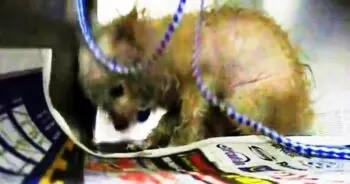
Abused Dog Scheduled for Euthanasia Bites Adopter During Rescue
How Isolation Shaped Chase’s Defensive Behavior
Chase, a long-neglected dog, endured three years of severe mistreatment before finding a potential home. Her history involved prolonged isolation and inconsistent care, leading to significant behavioral issues. After suffering for nearly four years, she was finally scheduled for adoption. However, during the initial meeting with her new family, Chase reacted defensively. She bit the hand that reached out to save her, creating a moment of shock and tension for the prospective adopters.
Latest news
 Rescue Dog Shows Gratitude to Every Person Helping Her Heal
 Family Adopts Terminally Ill St. Bernard After Her Human Passes Away
 Neighbors Take Action After Town Ignores Abused Dog
 Retired Firefighter Reunited with Lost Dogs During Live Interview
The incident highlights the complex psychological scars left by chronic neglect. Chase had spent most of her life alone, receiving only brief moments of affection from her previous owner. This lack of consistent socialization caused her anxiety levels to spike dramatically. Her mental state deteriorated over time, leaving her with little hope for recovery. When the new family arrived to take her home, Chase’s instinct to protect herself overwhelmed her desire for companionship.
Can Trust Be Rebuilt After Such a Start?
Chase’s biting incident was not an act of aggression but a survival response. Years of solitude taught her that humans were unpredictable sources of both comfort and stress. Her brain wired itself to expect pain or abandonment, making physical contact a trigger for fear. The bite served as a boundary, signaling that she needed space to process the sudden change in environment. Understanding this context is crucial for any rescue organization handling similar cases. It emphasizes the need for gradual introductions rather than immediate bonding sessions.
Rescue experts suggest that Chase’s reaction does not necessarily doom her adoption. Many dogs with traumatic histories exhibit similar defensive behaviors during their first meetings. The key lies in patience and consistent, low-pressure interactions. The new family must respect Chase’s boundaries while slowly building confidence through positive reinforcement. This process requires time, often spanning several weeks or months. The goal is to replace fear with safety, allowing Chase to decompress and settle into her new routine.
The outcome of Chase’s story serves as a reminder of the resilience required in animal rescue. While the initial bite may have been jarring, it opened a pathway for deeper understanding. The family committed to giving Chase the time she needed, recognizing that healing is non-linear. Consequences of such incidents include careful monitoring of the dog’s stress levels and potential temporary separation from other pets. Looking ahead, Chase stands a strong chance of thriving once her anxiety subsides. Her journey from a neglected stray to a beloved pet underscores the power of persistence in overcoming past trauma.
Frequently Asked Questions
Did Chase’s bite end the adoption process? No, the bite did not automatically end the adoption. The family chose to continue with the rescue plan, acknowledging that the behavior stemmed from fear rather than malice. They adjusted their approach to accommodate her needs.
How long did Chase suffer before being rescued? Chase endured approximately three years of neglect and isolation. This extended period contributed significantly to her heightened anxiety and defensive reactions during the adoption meeting.