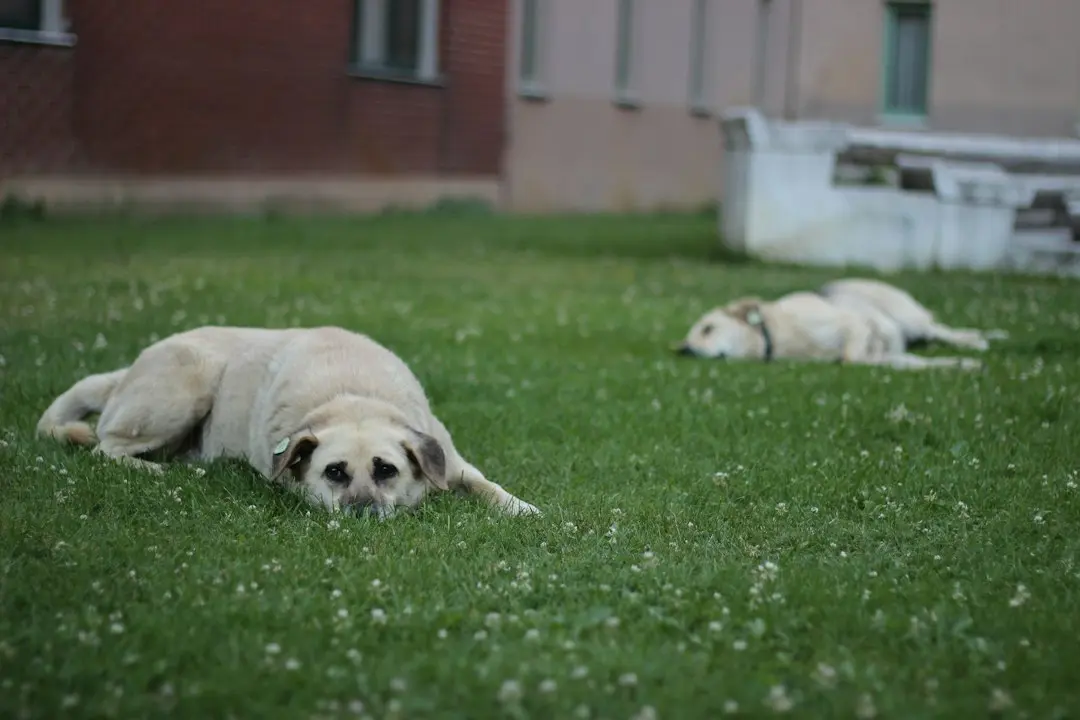
A German Shepherd Puppy Seeks a New Home After Being Surrendered
The Reality of Surrendering a High‑Energy Breed
An 11‑month‑old German Shepherd named Benny is currently housed at Harbor Animal Care Center in San Pedro, California. He was surrendered by his previous owners, who claimed he was too demanding. A short video posted by the shelter shows Benny curled tightly against a wall, looking for comfort and a chance to start over.
Latest news
 The Mystery Behind Your Cat’s Sudden Shift From Licking To Biting
 Tiny Gray Kitten Rescued From Busy New York Construction Site
 The Resilient Mother: A Cat and Her Five Kittens Face Life‑Saving Struggle Behind a Nail Salon
 Tiny Tuxedo Kitten Becomes Viral Sensation for Vocalizing During Mealtime
The surrender came after the family felt overwhelmed by Benny’s energy and need for constant attention. The puppy’s behavior—high activity, frequent barking, and a strong need for companionship—made it difficult for the owners to manage. After deciding that the dog was „too much work,” they turned him over to the shelter, hoping he would find a more suitable family.
German Shepherds are renowned for their intelligence and loyalty, but they also require rigorous training and daily exercise. When owners are unprepared for these demands, the dogs can become distressed or destructive. Benny’s case illustrates how a mismatch between a pet’s needs and a family’s capacity can lead to surrender. Shelters often receive dogs with similar stories, and many of these animals struggle to find homes that match their temperament.
What Prospective Owners Should Consider: Is a German Shepherd Right for You?
At Harbor Animal Care Center, staff monitor each animal’s behavior closely. They assess whether a dog’s energy level and training needs align with potential adopters. For Benny, the staff have noted that he responds well to positive reinforcement and enjoys interactive play. However, his recent video shows him seeking security by curling against a wall, a common sign of anxiety in shelter environments.
Potential adopters should ask themselves whether they can commit to daily walks, mental stimulation, and structured training. German Shepherds thrive when they have a clear purpose, whether it’s as a family companion, a working dog, or a therapy animal. The breed’s high intelligence means they can learn complex tasks, but they also need consistent boundaries to prevent behavioral issues.
Adopting a dog like Benny requires a willingness to invest time in training sessions, possibly with a professional trainer. Prospective owners should also consider the dog’s age; at 11 months, Benny is still developing, which can make him more adaptable but also more demanding. A home that offers a safe space for him to explore, along with regular exercise, will help him adjust and flourish.
The Path Forward for Benny: Adoption, Rehabilitation, or Rehome?
Harbor Animal Care Center is actively seeking a family that can meet Benny’s needs. The shelter’s adoption process includes a thorough screening of potential adopters, ensuring they understand the responsibilities of owning a high‑energy breed. If no suitable family is found, Benny may be placed in a rehabilitation program that focuses on socialization and training. In some cases, dogs are rehomed to other shelters or rescue groups where they can receive specialized care.
The outcome for Benny hinges on finding a match that values his intelligence and companionship. A dedicated owner who can provide structure and affection can turn Benny’s surrender into a success story. Until then, Benny remains in the care of Harbor Animal Care Center, hoping for a second chance.
Frequently Asked Questions
What makes German Shepherds difficult to keep in a typical household? German Shepherds require extensive exercise, mental stimulation, and consistent training. Without these, they can develop anxiety, destructive behaviors, and a strong need for human interaction.
How can a shelter ensure a good match between a dog and a family? Shelters conduct behavioral assessments, interview prospective adopters, and sometimes provide training resources. This helps match a dog’s temperament with a family’s lifestyle and experience.
What steps can a new owner take to help a surrendered dog adjust? Establish a routine, provide regular exercise, use positive reinforcement training, and offer a safe, comforting space. Patience and consistency are key to building trust and reducing anxiety.
Content written by Santanu Das for galore-pets.com editorial team, AI-assisted.