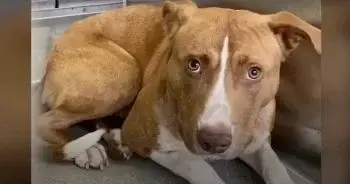
A Feral Dog Finds Safety After Years of Living on the Streets
Healing From a Traumatic Past
Wally, a dog who spent years living as a feral animal, has finally transitioned into a secure and loving home. Rescuers intervened just in time to save the animal from a life-threatening injury caused by an embedded collar. His transformation highlights the profound impact that patience and compassion have on traumatized pets.
Latest news
 Tiny Gray Kitten Rescued From Busy New York Construction Site
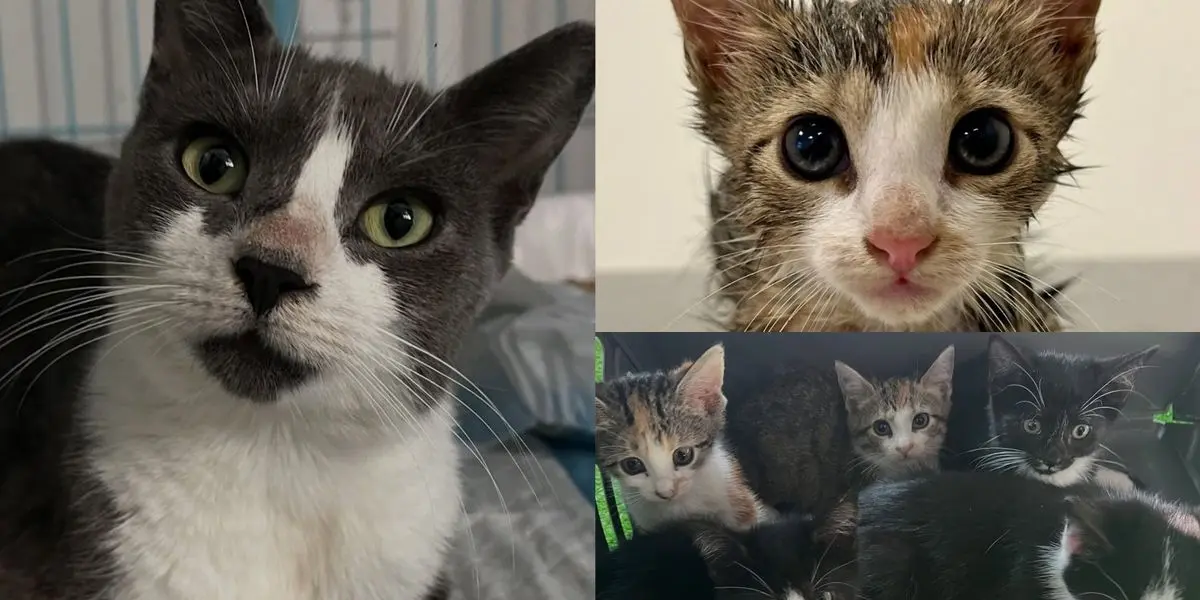 The Resilient Mother: A Cat and Her Five Kittens Face Life‑Saving Struggle Behind a Nail Salon
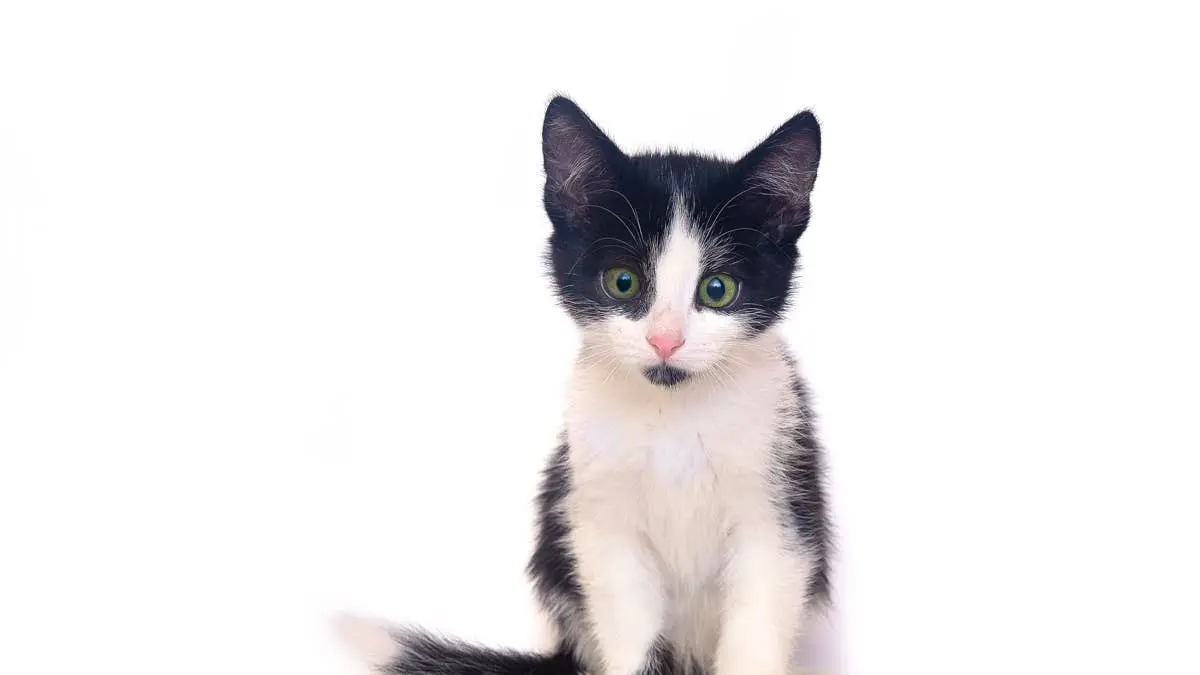 Tiny Tuxedo Kitten Becomes Viral Sensation for Vocalizing During Mealtime
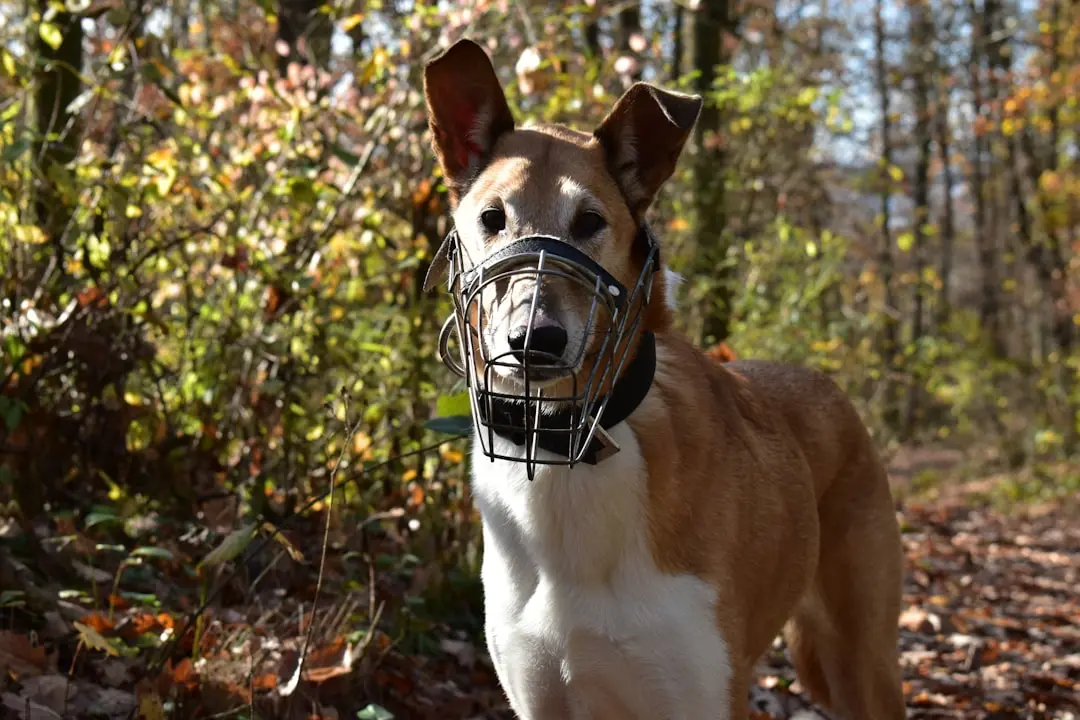 Keeping Your Scavenging Dog Safe During Daily Walks
The rescue process began when volunteers identified the dog’s dire physical condition. His collar had tightened over time, cutting into his skin and posing a severe risk to his health. Teams used humane trapping methods to capture the wary animal, ensuring he could receive the urgent medical intervention he desperately needed.
Once in human care, Wally struggled to trust his surroundings. He maintained a significant distance from his rescuers, reflecting his deep-seated fear of the world. The transition from a feral existence to domestic life required immense patience from his caregivers. They focused on building a bond based on safety rather than forcing interaction.
Can Patience Truly Change a Feral Animal?
The dog eventually began to shed his defensive habits as he realized he was no longer in danger. This slow process of rehabilitation allowed his true personality to emerge. He moved from hiding in corners to actively seeking out the company of his new family.
The success of Wally’s recovery proves that even the most fearful animals can learn to trust again. His journey serves as a powerful reminder of the resilience found in neglected animals. By providing a stable environment, his rescuers gave him the second chance he needed to thrive.
Wally now enjoys a life free from the dangers of the streets. His story has inspired many to support local rescue efforts for stray animals. He remains a testament to the idea that kindness can overcome years of hardship and fear.
Frequently Asked Questions
What was the most immediate danger Wally faced? His collar had become dangerously embedded in his skin, which threatened his life and required immediate medical attention.
How did the rescuers approach the dog? Volunteers used humane trapping methods to capture him safely before providing the necessary care to help him adjust to human interaction.
What is the key to rehabilitating a feral dog? Patience and a consistent, safe environment are essential. Allowing the animal to set the pace for interaction helps them build trust over time.
Content written by Dee Michaels for galore-pets.com editorial team, AI-assisted.