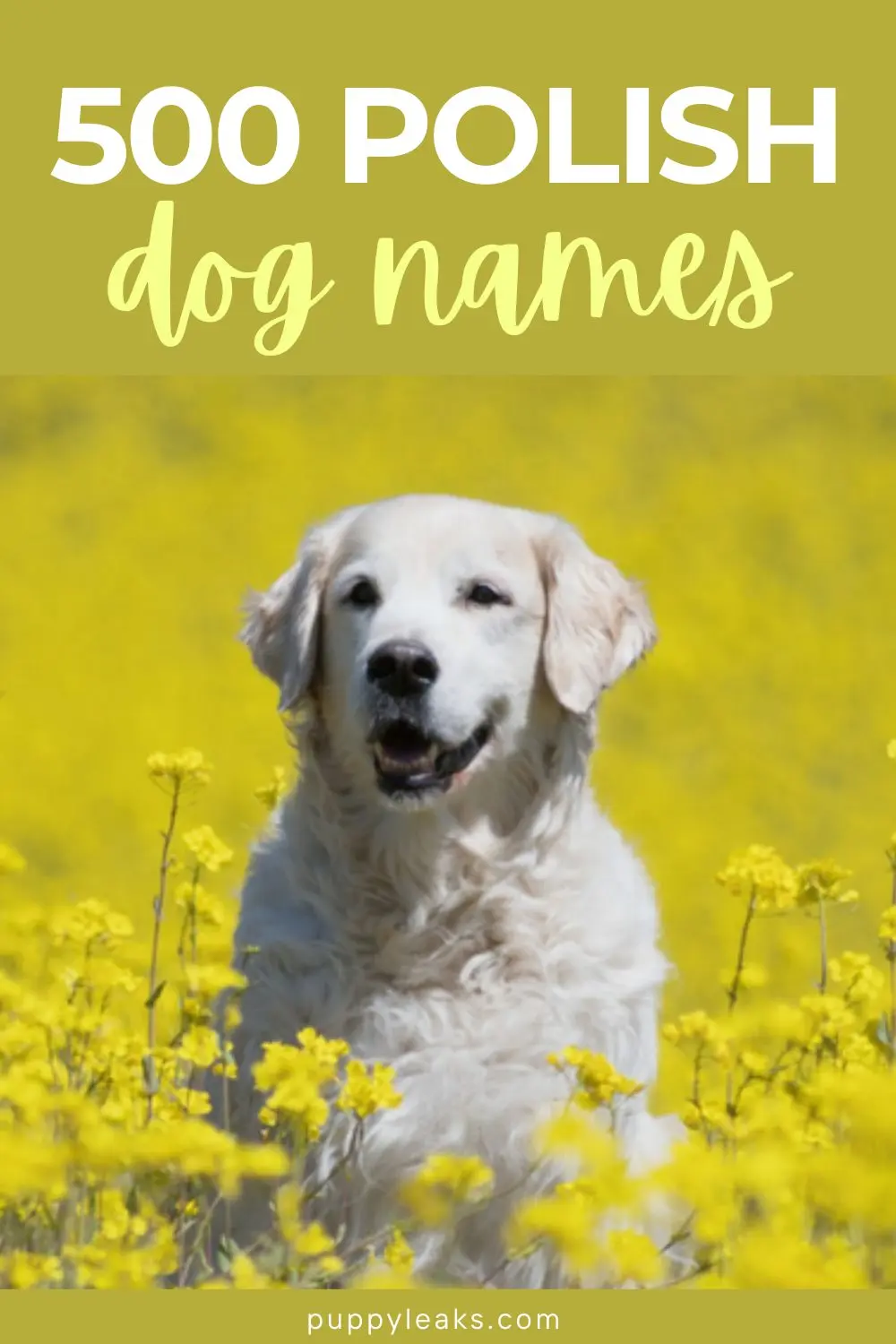
500 Polish Dog Names for Your New Companion
Each name carries cultural weight, potentially honoring Polish roots or simply
Choosing the perfect name for a new dog can be both exciting and challenging, especially when drawing inspiration from cultural traditions. For those seeking a meaningful Polish name, a comprehensive list of 500 options offers everything from classic to contemporary choices. This resource provides pet owners with a wide variety of names rooted in Polish language and heritage, helping them find one that suits their dog’s personality or appearance. Whether looking for something strong, sweet, or unique, the list serves as a starting point for naming a new furry family member. The names included range from traditional Polish given names like Agnieszka, Aleksander, and Alicja to modern variations and lesser-known options. Some reflect historical figures, nature, or virtues, while others simply have a pleasing sound in Polish. The list is designed to spark creativity and help owners avoid overly common names, encouraging a more personal connection through the naming process.
Latest news
 Tiny Gray Kitten Rescued From Busy New York Construction Site
 The Resilient Mother: A Cat and Her Five Kittens Face Life‑Saving Struggle Behind a Nail Salon
 Tiny Tuxedo Kitten Becomes Viral Sensation for Vocalizing During Mealtime
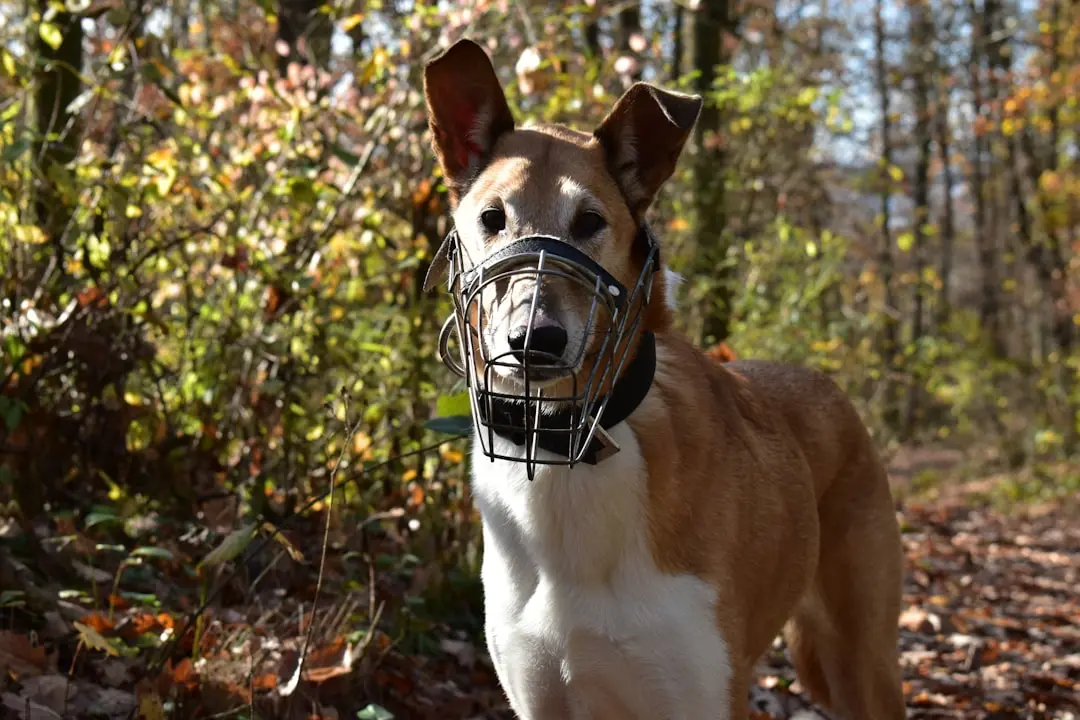 Keeping Your Scavenging Dog Safe During Daily Walks
Each name carries cultural weight, potentially honoring Polish roots or simply celebrating the beauty of the language. How to Choose the Right Polish Name for Your Dog When selecting a name, consider how it sounds when called out loud—short, clear names often work best for training and daily interaction. Think about your dog’s breed, size, and temperament; a bold name like Aleksy might suit a confident guard dog, while a softer name like Alina could fit a gentle companion. Testing a few names over a few days can help see which one feels natural and gets a positive response from your pet. It’s also helpful to avoid names that sound too similar to common commands like „sit” or „stay” to prevent confusion during training. What If You Want Something Less Common?
While popular names like Jakub or Zuzanna appear frequently, the list includes many uncommon choices that stand out.
Names such as Dobromir, meaning „good peace,” or Wojtek, a diminutive of
Names such as Dobromir, meaning „good peace,” or Wojtek, a diminutive of Wojciech associated with strength, offer distinctive alternatives. Exploring less familiar options can lead to a truly unique identity for your dog, one that reflects individuality and thoughtfulness. Owners interested in heritage might also research name origins to find deeper personal or familial connections. Frequently Asked Questions Are these names only for purebred Polish breeds? No, the names can be used for any dog regardless of breed or origin. They are simply drawn from Polish language and culture and are suitable for all dogs. How do I pronounce Polish names correctly? Many Polish names follow consistent phonetic rules—resources like pronunciation guides or language apps can help learners say them accurately. Practicing aloud ensures clarity when calling your dog. Can I modify a name from the list to make it more unique?
Yes, slight variations or combining elements from different names are acceptable as long as the result is easy to say and meaningful to you and your pet.
Content written by Puppy Leaks for galore-pets.com editorial team, AI-assisted.