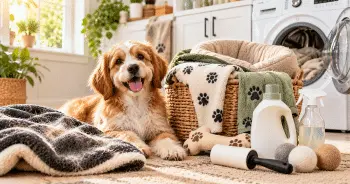
13 Dog Laundry Essentials for Tackling Fur, Stains, and Odors
Addressing these problems early avoids long-term damage to linens and clothing
Dogs bring joy but also create constant laundry challenges. Muddy paws, shedding fur, slobbery toys, and lingering dog-bed odors turn washing into a daily struggle for pet owners. Keeping fabrics clean requires more than regular detergent. Specialized products help manage the unique messes dogs leave behind, from hair-covered blankets to stained collars and smelly beds. The right tools can make this endless chore more manageable. Pet owners often underestimate how much extra work dogs add to household cleaning. Fur embeds in fabrics, oils from skin and saliva cause stains, and bacteria in bedding create persistent smells. Standard washing machines and detergents aren't always equipped to handle these specific issues. Using the correct laundry aids prevents buildup, protects fabrics, and ensures hygiene for both pets and people.
Latest news
 Rescue Dog Shows Gratitude to Every Person Helping Her Heal
 Family Adopts Terminally Ill St. Bernard After Her Human Passes Away
 Neighbors Take Action After Town Ignores Abused Dog
 Retired Firefighter Reunited with Lost Dogs During Live Interview
Addressing these problems early avoids long-term damage to linens and clothing. Effective Solutions for Fur Removal Loose dog hair clings stubbornly to clothes, blankets, and upholstery, resisting normal wash cycles. Dryer sheets and rubber brushes help lift fur before washing, while specialized pet hair remover tools extract embedded strands from fabrics. Adding a half-cup of white vinegar to the rinse cycle loosens hair and reduces static that attracts more lint. Washing items inside out also minimizes fur redistribution during spinning. These simple steps significantly cut down on post-wash lint and keep fabrics feeling fresh. How Do You Eliminate Dog Odors From Bedding? Dog beds absorb oils, saliva, and moisture, creating ideal conditions for odor-causing bacteria. Washing beds weekly in hot water with an enzymatic cleaner breaks down organic matter that causes smells.
Adding baking soda to the wash neutralizes acids
Adding baking soda to the wash neutralizes acids, while a few drops of pet-safe essential oil like lavender can leave a fresh scent without irritating animals. Ensuring beds are completely dry prevents mildew growth, which worsens odors. Rotating between two beds allows one to air out while the other is in use. Maintaining Toy and Accessory Hygiene Slobbery toys and collars harbor germs that can transfer to hands and surfaces. Washing plush toys in a mesh bag on a gentle cycle protects them while ensuring thorough cleaning. Hard toys benefit from soaking in a vinegar-water solution before scrubbing. Collars and leashes should be washed weekly using pet-safe detergent to prevent skin irritation. Air-drying these items preserves their integrity and avoids shrinkage. Regular cleaning extends the life of these accessories and keeps them safe for daily use. Frequently Asked Questions What temperature should I use to wash dog bedding?
Hot water between 130-140°F is ideal for killing bacteria and removing oils from dog beds, but always check the fabric care label first to avoid damaging delicate materials. Can I use regular laundry detergent on dog items? Yes, but choose a fragrance-free, dye-free formula to reduce the risk of skin irritation for pets with sensitivities, and avoid fabric softeners which can reduce towel absorbency and leave residues. How often should I wash my dog's blankets? Wash dog blankets at least once a week, or more frequently if they spend time outdoors, have skin conditions, or tend to drool excessively, to maintain hygiene and prevent odor buildup.