Why Your Cat Keeps Meowing at You in 2026
What Does Your Cat’s Meow Really Mean?
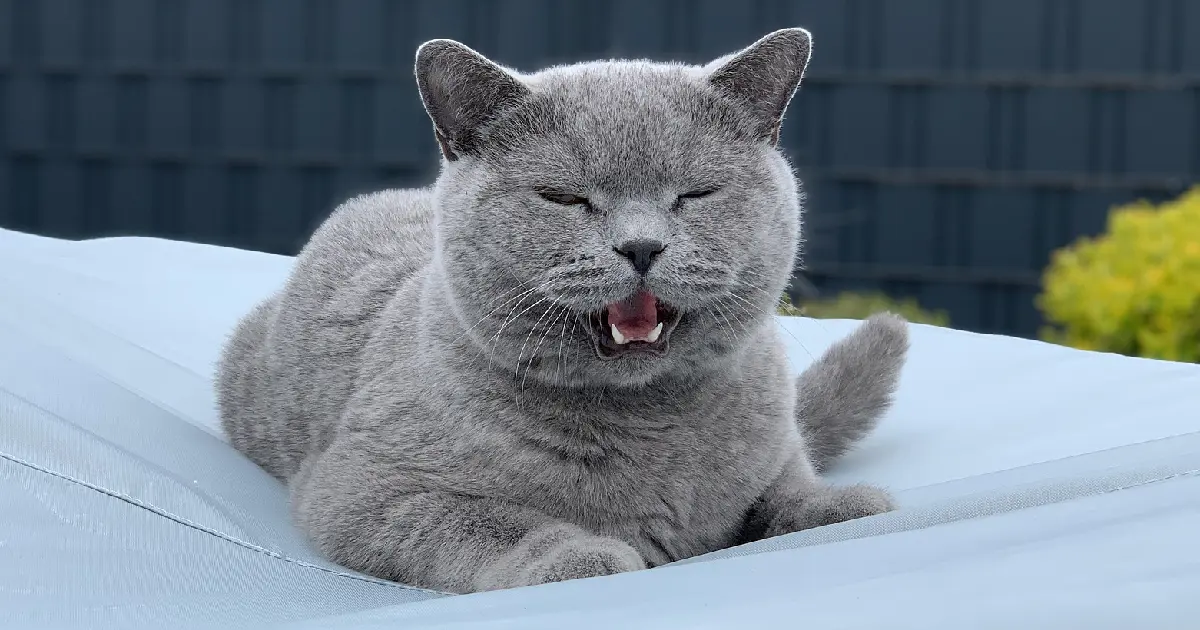
Cats primarily meow to communicate with humans, not with other cats, according to recent veterinary behavior studies. This vocalization has evolved as a specific tool for domestic cats to interact with their human caregivers. Researchers note that meowing is rarely used between adult cats in the wild, making it a unique feature of the human-feline bond. The behavior varies widely depending on the cat’s needs, environment, and relationship with its owner.
Latest news
 Rescue Dog Shows Gratitude to Every Person Helping Her Heal
 Family Adopts Terminally Ill St. Bernard After Her Human Passes Away
 Neighbors Take Action After Town Ignores Abused Dog
 Retired Firefighter Reunited with Lost Dogs During Live Interview
A cat’s meow can signal anything from hunger to discomfort, and understanding the context is key. Experts explain that cats learn which vocalizations get a response from their owners and refine them over time. A short, high-pitched meow often indicates a greeting or request for attention, while a prolonged, low-pitched sound may suggest anxiety or pain. Changes in meowing patterns can also reflect shifts in routine, health, or aging, especially in older cats.
Is Your Cat Meowing Because It’s Bored or Lonely?
Indoor cats, in particular, may meow excessively due to lack of stimulation or social interaction. Without enough playtime, toys, or companionship, some cats develop attention-seeking behaviors, including persistent meowing. Veterinarians recommend increasing environmental enrichment, such as puzzle feeders or climbing structures, to reduce vocalization stemming from boredom. Regular interactive play sessions can also help satisfy a cat’s natural hunting instincts and decrease demand-related meowing.
Why does my cat meow more at night? Nighttime meowing is often linked to natural crepuscular activity, meaning cats are more active at dawn and dusk. If your cat meows at night, it may be seeking food, attention, or expressing disorientation, especially if it’s older or has vision changes.
Frequently Asked Questions
Can medical issues cause increased meowing? Yes, conditions like hyperthyroidism, kidney disease, or cognitive dysfunction in senior cats can lead to more frequent vocalization. A sudden change in meowing behavior should prompt a veterinary check-up to rule out underlying health problems.
Should I ignore my cat when it meows for attention? Ignoring attention-seeking meows can reduce the behavior over time, but only if the cat’s needs are met and it’s not in distress. Consistency is important—rewarding quiet behavior while not responding to meows helps teach alternative ways to communicate.