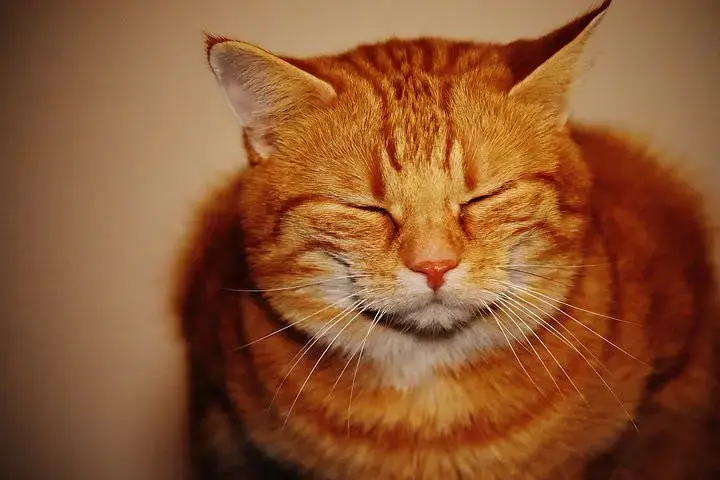
Why Tabby Cats Bear an „M” on Their Foreheads
The Science Behind the Forehead Mark
A common sight for cat lovers, the „M” mark on a tabby’s forehead is a genetic signature. It appears in every tabby pattern—mackerel, classic, spotted, and ticked—and is a result of the Agouti gene’s influence on pigment distribution along hair shafts.
Latest news
 Walmart's Festive Cat Tree Features Reindeer Antlers and Gold Star Topper
 Healthy Pumpkin Treats for Dogs: 7 Top Picks
 Anthropologie’s Clear Acrylic Pet Gate Keeps Pets Out Without Ruining the Room
 5 Best Peanut Butter Dog Treats
The Agouti signaling pathway controls how melanin is deposited in each hair. When the pathway is active, pigment is layered in a way that produces the swirling or striped patterns typical of tabbies. The same mechanism also creates a distinct M-shaped patch on the forehead, a trait shared by nearly all tabby cats regardless of their specific pattern.
How Does This Affect Cat Identification?
The „M” is not a random spot but a direct outcome of the Agouti gene’s action. Scientists explain that the gene regulates pigment cells, causing a band of lighter color to form across the forehead. This band aligns with the head’s natural shape, forming an unmistakable „M.” Because the gene operates the same way in all tabby types, the mark is universal across the breed.
Researchers have mapped the gene’s expression to specific areas of the cat’s skin. In the forehead region, the pigment cells pause, creating the lighter patch. The rest of the coat continues to display the characteristic stripes or spots. This precise patterning shows how tightly genetics control even small features in cats.
What Happens if the „M” Is Missing?
The forehead „M” helps veterinarians and breeders quickly confirm a cat’s tabby status. It also assists in genetic testing, where the presence of the mark can indicate a healthy Agouti gene. For pet owners, spotting the „M” can confirm a cat’s lineage, especially when mixed breeds are involved.
In shelters, the mark is a useful visual cue for staff. When a cat arrives, the „M” can signal that the animal is a tabby, guiding decisions about pairing with other cats or determining care needs. The consistency of the mark across patterns makes it a reliable identifier.
Frequently Asked Questions
A missing or faint „M” could signal a mutation in the Agouti pathway. While rare, such variations might indicate a genetic disorder affecting pigment distribution. Owners noticing an unusual forehead pattern should consult a veterinarian for a genetic assessment. Early detection of pigment anomalies can prevent potential health issues linked to melanin production.
In most cases, the absence of the mark does not affect a cat’s health. However, it may hint at a broader genetic variation that could influence coat color or pattern in future generations. Breeders monitor these traits to maintain desired coat characteristics.
Content written by Tom Harrison for galore-pets.com editorial team, AI-assisted.