Why Cats Claim Your Favorite Chair
Thermal Comfort and Scent Marking Drive Seat Selection
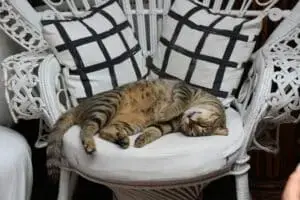
Cats frequently occupy their owners' preferred seating spots immediately after humans step away. This behavior often confuses pet owners who believe the animal is acting out of spite or playful mischief. In reality, the decision to settle into a specific chair involves complex biological and environmental factors. Felines do not choose these locations randomly; they respond to specific stimuli present in the room.
Latest news
 Man Saves Puppies from Well, Then Cleans Up the Mess
 A Grieving Pit Bull Finds New Purpose After Adopting An Orphaned Puppy
 Joyful Reunion Brings Tears to a Young Girl After Two Months Apart
 A Devoted Pet Owner Finds Hope After Tragedy Strikes in Florida
The phenomenon occurs because cats are highly sensitive to subtle changes in their environment. When an owner leaves a chair, the space remains warm and retains the scent of the person. These lingering cues signal safety and comfort to the feline brain. Additionally, the chair may offer a strategic vantage point for observing the room. Cats prefer elevated or central positions where they can monitor movement without feeling exposed.
Heat is a primary motivator for this behavior. Mammals, including humans, radiate body heat. A recently vacated chair holds residual warmth that is attractive to cats, who naturally seek out warm surfaces to conserve energy. Beyond temperature, cats use scent to mark territory. By sitting on a human's chair, a cat mixes its own odor with the owner's. This creates a shared scent profile that reinforces social bonds within the household. The act is not aggressive; it is a way of integrating the cat into the family unit through olfactory signals.
Does Your Cat Choose the Chair for Safety?
Another factor is the stability of the furniture. Many humans prefer soft, upholstered chairs that provide deep support. Cats enjoy this same physical structure. The cushions offer a secure base that prevents slipping, allowing the animal to relax fully. Furthermore, the location of the chair often aligns with natural light sources or airflow patterns. Cats regulate their body temperature by moving between sunlit areas and cooler zones. If the chair sits in a sunbeam during the day or near a draft-free corner at night, it becomes a prime resting spot.
Security plays a significant role in feline decision-making. Cats are both predators and prey. They need to feel safe while resting. A familiar chair provides a known boundary. The cat knows exactly where the edges are and how to escape if necessary. This predictability reduces stress levels. Additionally, the chair may be positioned near other pets or family members. Cats often seek proximity to their social group. Sitting on the owner's chair keeps them close to the source of food and affection while maintaining a comfortable distance.
Frequently Asked Questions
Veterinarians note that this habit usually indicates a healthy, confident cat. It suggests the animal feels secure enough in its home environment to claim prominent spaces. However, if the behavior changes suddenly, such as the cat avoiding the chair entirely, it might signal pain or anxiety. Owners should monitor for shifts in preference to ensure their pet remains comfortable.
Why does my cat sit on my lap only when I am working? Cats often associate human activity with attention and warmth. Sitting on a lap during work ensures the owner stays still and warm. It also allows the cat to monitor the owner closely.
Is it normal for cats to steal specific seats? Yes, this is standard feline behavior. Cats prefer consistent, warm, and safe locations. Reclaiming a specific chair is a sign of comfort and routine rather than rebellion.
Content written by Angeline Docot for galore-pets.com editorial team, AI-assisted.