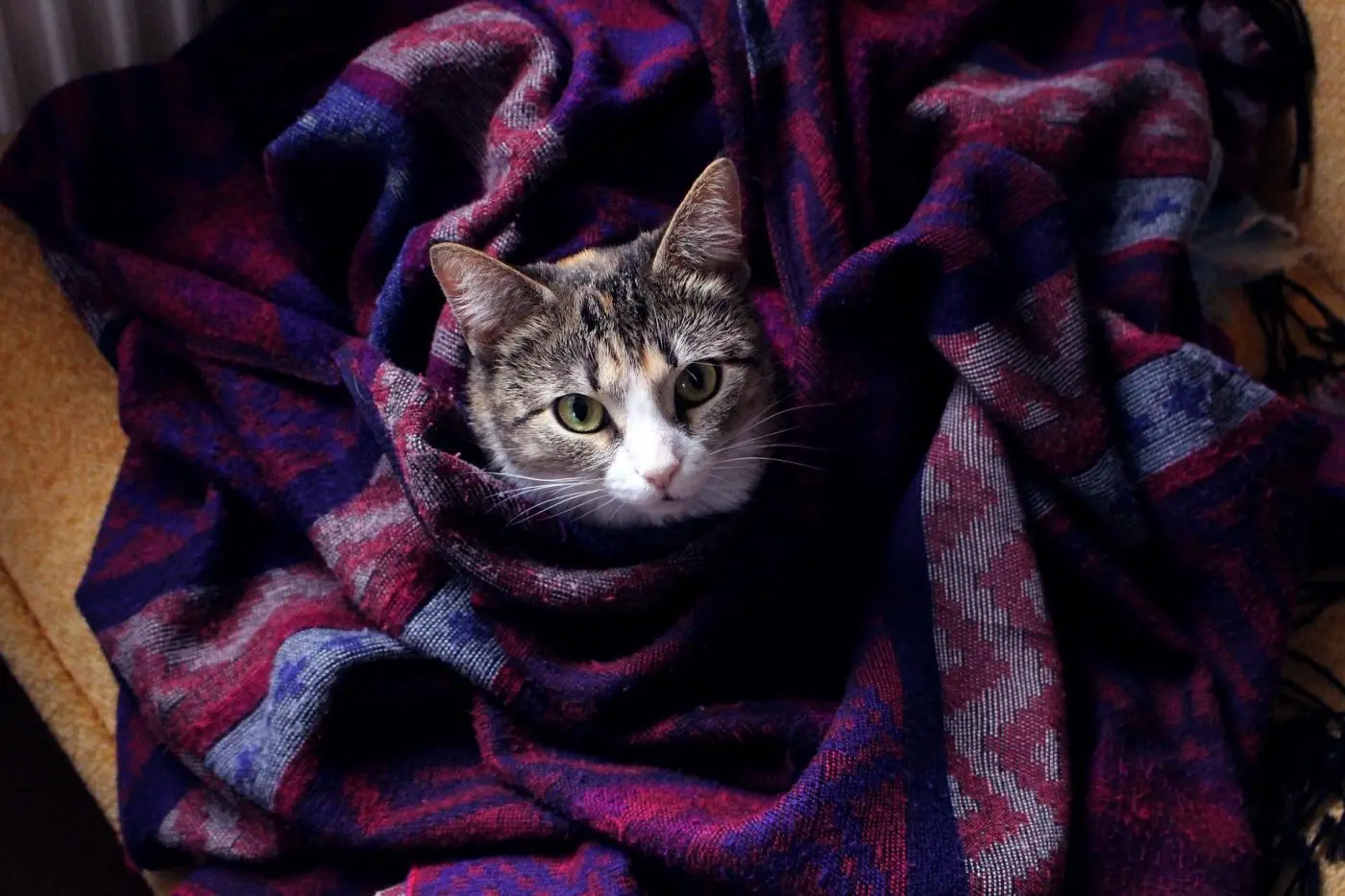
When Cats Knead and Bite Blankets, They’re Showing Affection and Comfort
Kneading as a Comfort Ritual: Why It Persists
A familiar scene in many homes: a cat pawing at a blanket, sometimes snapping at it, while the owner watches in bemused delight. This common behavior, seen by most pet owners, is more than a cute quirk. It reflects deep instinctual patterns and emotional states that trace back to a kitten’s early days.
Latest news
 Rescue Dog Shows Gratitude to Every Person Helping Her Heal
 Family Adopts Terminally Ill St. Bernard After Her Human Passes Away
 Neighbors Take Action After Town Ignores Abused Dog
 Retired Firefighter Reunited with Lost Dogs During Live Interview
The act of kneading originates from a kitten’s need to stimulate its mother’s milk flow. By pressing their paws against a soft surface, kittens encourage milk production. As they grow, cats retain this reflex, using blankets or pillows as a substitute. The occasional bite that follows is not a sign of aggression; it is a gentle reminder of a familiar, comforting rhythm. The behavior is a way for cats to mark territory, express contentment, and create a safe space.
Is the Biting a Warning or a Playful Gesture?
Even after leaving the den, cats continue kneading blankets, a habit that signals trust and relaxation. When a cat kneads, it typically has its eyes half‑closed, tail relaxed, and body warm. This posture indicates that the cat feels secure. The rhythmic motion releases endorphins, providing a calming effect similar to how humans might stretch or hum. Many owners report that their cats knead on their laps, a sign that they consider the owner a safe companion.
Veterinarians note that the frequency of kneading can increase during times of stress or excitement. A cat may knead more when settling into a new environment, after a visit to the vet, or when it’s trying to soothe itself after a rough day. In these cases, the blanket becomes a comforting anchor, a physical reminder of home and safety.
While the kneading is generally soothing, the accompanying bite can confuse owners. Experts explain that cats use their teeth to signal that they are comfortable and that the blanket is „safe.” The bite is usually gentle, a light tap rather than a hard bite. It can also be a playful impulse, especially if the cat is young or energetic. If a cat bites too hard, it may be a sign of overstimulation or a need to redirect attention to a toy. Observing the cat’s body language—such as tail flicks or ears flattened—helps owners distinguish between a gentle nudge and a warning.
How to Encourage Healthy Blanket Behavior
Owners can support their cat’s natural instincts by providing appropriate surfaces. Soft, washable blankets or padded mats give cats a safe place to knead. Rotating blankets keeps the scent fresh and prevents the cat from over‑wearing a single item. If a cat’s kneading becomes destructive, offering a designated kneading pad or a plush toy can channel the behavior constructively. Regular grooming and gentle handling also reinforce trust, making the cat feel more at ease during kneading sessions.
In many households, the cat’s kneading becomes part of the family routine. The rhythmic pawing can even lull children to sleep, creating a shared moment of calm. By understanding the underlying motives—comfort, territory marking, and emotional release—owners can appreciate this behavior as a natural expression of affection rather than a nuisance.
Why does my cat knead on my lap? Kneading on a lap signals trust and comfort. The cat feels safe and enjoys the warmth and scent of its owner, which helps it feel secure.
Frequently Asked Questions
Is it normal for a cat to bite while kneading? Yes, gentle biting is normal. It is a playful or comforting gesture, not an aggressive act. However, if the bite is hard, it may indicate overstimulation.
How can I stop my cat from damaging my blankets? Provide a dedicated kneading surface, rotate blankets regularly, and offer toys to redirect the behavior. Consistent grooming and gentle reassurance also help reduce destructive kneading.