The Hidden Dental Problem in Cats That Most Owners Miss
Understanding How Feline Dental Disease Develops
The journey to oral disease always begins with dental plaque. This sticky film forms when microorganisms mix with saliva and leftover food particles on the enamel surface. If plaque is not mechanically removed, it quickly mineralizes into tartar, also known as dental calculus, within just a few days. The presence of tartar triggers localized gum inflammation, clinically diagnosed as gingivitis. Without appropriate treatment, this condition progresses to periodontitis, a complex infection that attacks the tooth root. This pathological process weakens the natural bond between the soft gum tissue and the underlying bone structure, steadily accelerating enamel erosion. In the final stages, the tooth breaks down internally, leading to total structural collapse.
Latest news
 Rescue Dog Shows Gratitude to Every Person Helping Her Heal
 Family Adopts Terminally Ill St. Bernard After Her Human Passes Away
 Neighbors Take Action After Town Ignores Abused Dog
 Retired Firefighter Reunited with Lost Dogs During Live Interview
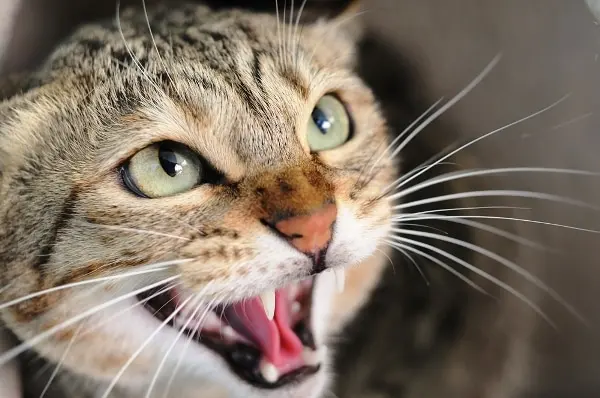
All these disease stages cause significant discomfort for the animal. A cat with advanced dental pathology often displays specific behaviors: excessive drooling, pawing at the mouth area, dropping food while eating, or completely refusing meals. Other alarming indicators include bad breath, blood in the saliva, jaw tremors, or even sneezing, which is a surprising but frequent symptom of oral problems. Unfortunately, cats do not verbally communicate pain, making prevention far more important than curative treatment.
Regular brushing remains the gold standard for combating dental disease. Daily brushing removes bacterial plaque before it hardens into tartar, attacking the root cause of tooth decay. It is imperative to use specially designed feline toothbrushes, either classic styles or finger brushes, combined with pet-safe toothpaste. Human toothpaste often contains ingredients that are toxic to animals if swallowed, making product selection vital. Introducing this habit is much easier when started at a young age, turning the procedure into a pleasant daily routine. Although older cats can learn to tolerate brushing, success depends on a gradual approach supported by constant positive reinforcement. Even brushing every few days is vastly superior to no cleaning at all, though maximum benefits come from daily consistency. For resistant cats, specialized dental wipes offer a practical and less stressful alternative.
Effective Prevention Strategies and Alternatives
Dental diets, specialized treats, and nutritional supplements provide an additional pillar in the prevention strategy. Dry foods with a dental profile feature formulations and textures designed to reduce plaque buildup. However, their effectiveness is limited by individual cat behavior; some felines swallow kibble whole without chewing properly, which lessens the mechanical impact on the teeth. When choosing products, the Veterinary Oral Health Council seal serves as a trusted indicator, guaranteeing that a product has undergone independent testing to prove it reduces plaque or tartar. Veterinarians also offer prescription dental diets that use oversized kibble to force heavier chewing interaction, recommended especially for animals with a history of oral issues. Dental treats and chew toys work similarly to food but use more appetizing ingredients to stimulate biting. Consequently, they tend to be higher in calories and must be strictly integrated into the animal's total daily food ration.
More recently, brown seaweed powders have shown promising results in fighting tartar, though their specific taste does not appeal to every cat.
Oral rinses represent another preventive option, specifically intended for cats that reject brushing and cannot switch to a specialized diet. These solutions can be applied locally using gauze or a soft material, working through chemical reactions to break down plaque and tartar before thick layers accumulate. Once again, the VOHC seal helps identify scientifically proven products. By combining these methods, owners can build a robust oral protection system, ensuring a healthy and pain-free smile for their furry friends while avoiding complex surgeries.