
The Feline Rub: Uncovering the Reasons Behind Cats' Quirky Behavior
Marking Territory with Scent
Cat owners are familiar with the sensation of their feline friends rubbing against their legs or furniture. This behavior is a common occurrence in many households. Cats often gently bump their heads or weave around ankles.
Latest news
 Rescue Dog Shows Gratitude to Every Person Helping Her Heal
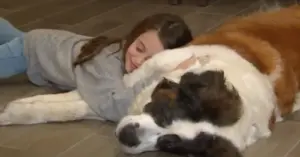 Family Adopts Terminally Ill St. Bernard After Her Human Passes Away
 Neighbors Take Action After Town Ignores Abused Dog
 Retired Firefighter Reunited with Lost Dogs During Live Interview
While this behavior may seem cute or quirky, it serves several purposes. Cats have scent glands on their faces, cheeks, and paws, which they use to mark their territory. By rubbing against objects, they deposit their scent and claim ownership.
What's Behind the Head Bumping?
Cats' scent glands are located on their faces, near their whiskers, and on their paws. When they rub against objects, they transfer their scent, signaling to other animals that this territory belongs to them. This behavior is especially common in multi-cat households.
When cats bump their heads against their owners or objects, they are not only marking territory but also depositing pheromones. These chemical signals convey a sense of comfort and security, helping to establish a bond between the cat and its environment.
Frequently Asked Questions
The frequency and intensity of rubbing can vary depending on the cat's mood and environment. Cats may rub more when they feel anxious or stressed, as a way to self-soothe.
Is my cat rubbing against me because it likes me? Yes, cats often rub against their owners as a sign of affection and to mark them with their scent. Why do cats rub against furniture? Cats rub against furniture to mark their territory and establish a sense of ownership. Can I discourage my cat from rubbing against certain objects? Yes, by providing alternative surfaces for your cat to rub against, such as scratching posts.