
Tabby Cat Freed from Bird Cage Finds New Life After Six-Month Recovery
From Confinement to Comfort: Oliver’s Rehabilitation Journey
A tabby cat named Oliver was rescued from a cramped bird cage at a private gathering in suburban Chicago last month. A guest noticed the animal’s distress, intervened, and handed the cat over to Happy Homes Animal Rescue. Six months later, the feline now roams a spacious foster home, displaying confidence and curiosity.
Latest news
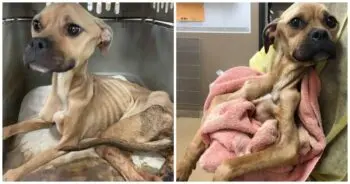 Rescue Dog Shows Gratitude to Every Person Helping Her Heal
 Family Adopts Terminally Ill St. Bernard After Her Human Passes Away
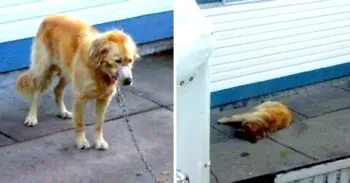 Neighbors Take Action After Town Ignores Abused Dog
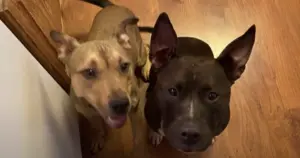 Retired Firefighter Reunited with Lost Dogs During Live Interview
Oliver had spent years confined to a metal cage meant for parrots. The cage offered no hiding places, limited ventilation, and no opportunity for normal feline behavior. When the guest, identified only as Mark, saw the cat’s emaciated form and trembling whiskers, he called the rescue group. Happy Homes staff arrived with a carrier, gently removed Oliver, and began a comprehensive rehabilitation program that included veterinary care, nutrition counseling, and behavioral enrichment.
The first weeks were critical. Veterinarians treated Oliver for chronic malnutrition, respiratory infections, and severe stress. „He was extremely thin, and his lungs showed signs of long‑term exposure to poor air quality,” said Dr. Lena Ortiz, the lead veterinarian. A high‑calorie diet and regular check‑ups helped him regain weight steadily.
Simultaneously, rescue volunteers introduced gradual socialization. They placed soft bedding, toys, and climbing structures in a quiet room, allowing Oliver to explore at his own pace. „Patience was key,” explained volunteer coordinator Sam Patel. „He would retreat at the slightest noise, so we let him set the tempo.” Over months, Oliver began to chase feather wands, purr when petted, and even attempt short climbs on a cat tree.
What Does This Rescue Teach Us About Animal Welfare?
By the end of the fifth month, Oliver’s transformation was evident. He no longer flinched at doorbells, and his coat regained a glossy sheen. The rescue team arranged a foster placement with a family experienced in caring for rescued cats. The family reported that Oliver now greets visitors with a gentle head‑butt and spends afternoons sunbathing on windowsills.
Oliver’s story highlights the hidden cruelty of repurposing cages for unsuitable species. Bird cages lack the space and enrichment needed for cats, leading to physical and psychological harm. „Many people assume a cage is a harmless holding area, but for a cat, it’s a life‑threatening environment,” Dr. Ortiz warned.
The case also underscores the impact of community vigilance. A single observant guest sparked a chain of interventions that saved a life. Rescue organizations stress that anyone who suspects animal neglect should act promptly, contacting local shelters or animal control. „Early detection can prevent years of suffering,” said Patel.
Frequently Asked Questions
Oliver now enjoys a life of freedom, yet his past informs future advocacy. Happy Homes plans to launch an awareness campaign about the dangers of using bird cages for other pets. The organization hopes to educate pet owners, reducing the likelihood of similar rescues.
How can I recognize if a pet is being kept in unsuitable confinement? Look for signs of stress such as excessive grooming, trembling, or a thin body condition. Check whether the enclosure provides enough space for the animal to move, stretch, and exhibit natural behaviors.
What steps should I take if I find an animal in a similar situation? Contact a local animal rescue or humane society immediately. Provide details about the location, the animal’s condition, and any identifying information about the caretaker.
Can rescued animals fully recover from long‑term neglect? Many do, especially with dedicated veterinary care and gradual socialization. Recovery timelines vary, but patience and consistent support are essential for a successful transition.