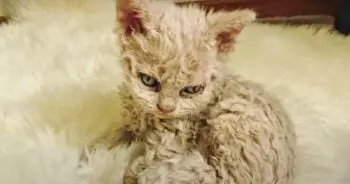
Stray Cat Found In Sewer Gives Birth To Rare Kitten
Unusual Birth Defies Medical Expectations
Jenny, a stray cat residing within a local sewer system, was recently rescued by animal welfare volunteers. The feline was found in a state of severe malnutrition, which posed immediate risks to her survival. Upon examination at the local shelter, staff discovered that Jenny was pregnant. Her physical condition required urgent medical attention to ensure she could safely withstand the demands of labor. The rescue team prioritized stabilizing her weight and energy levels before the kittens arrived.
Latest news
 Rescue Dog Shows Gratitude to Every Person Helping Her Heal
 Family Adopts Terminally Ill St. Bernard After Her Human Passes Away
 Neighbors Take Action After Town Ignores Abused Dog
 Retired Firefighter Reunited with Lost Dogs During Live Interview
The discovery of pregnancy in such a compromised individual presented significant challenges for the care team. Volunteers worked around the clock to provide Jenny with high-calorie nutrition and rest. They monitored her closely, knowing that weak mothers often struggle to produce enough milk for their offspring. The primary goal was to prevent the mother from deteriorating further while preparing her body for delivery. This intensive care regimen was essential for both the mother's recovery and the developing litter.
Can Malnutrition Alter Feline Genetics?
When Jenny finally gave birth, the veterinary team observed something highly unusual. One of the kittens displayed physical traits that defied standard feline anatomy. The vet attending to the birth expressed confusion over the specific characteristics of this particular newborn. Standard genetic expectations did not align with what was observed in the clinic. The kitten appeared structurally different from its siblings, prompting detailed examination. This anomaly sparked immediate interest among the medical staff present during the delivery.
The rarity of the event highlighted the unpredictable nature of feline reproduction in wild or semi-wild populations. While most kittens born in shelters follow predictable developmental patterns, this instance broke those norms. The veterinary team documented every aspect of the birth to understand the underlying causes. They noted that the mother's prior malnutrition might have influenced fetal development in unexpected ways. However, the exact mechanism behind the kitten's unique appearance remained unclear at the time of delivery.
The case of Jenny raises questions about how environmental factors influence biological outcomes. Stray cats living in harsh conditions like sewers face constant stress and nutritional deficits. These factors can impact reproductive health and potentially affect offspring development. Veterinarians are still analyzing the data collected during Jenny's recovery period. They aim to determine if the kitten's unusual features were genetic or environmentally induced. Understanding this connection could help future rescues better prepare for complex cases involving pregnant strays.
Frequently Asked Questions
The successful rescue of Jenny and her litter serves as a testament to dedicated animal care efforts. The team's ability to stabilize a critically ill mother before delivery saved multiple lives. The unusual kitten now receives specialized care to monitor its growth and health. Its presence adds a layer of scientific curiosity to an already heartwarming rescue story. As the litter matures, researchers will continue to track any long-term effects of the mother's initial condition.
Was Jenny healthy when first found? No, she was significantly malnourished and required intensive care to support her pregnancy. Why was the kitten considered unusual? The kitten possessed physical traits that did not match standard feline anatomy, confusing the attending veterinarian. How did the volunteers help Jenny? They provided high-calorie food and constant monitoring to strengthen her body for safe labor.