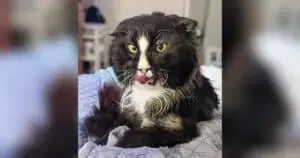
Senior Cat Glares at World Until Foster Mom Wins His Trust
From Outdoor Survivor to Indoor Resident
Panda, a senior cat who spent years living outdoors after losing his elderly owner, has finally found a warm home. This resilient feline previously survived alone on the streets, enduring cold nights without shelter or companionship. Now, a dedicated foster mother is helping him adjust to indoor life. Her patience is slowly melting away his defensive anger. The transition marks a significant turning point for this once-lonely animal.
Latest news
 Premium Memory Foam Beds Transform Canine Sleep Quality
 Walmart's Festive Cat Tree Features Reindeer Antlers and Gold Star Topper
 Healthy Pumpkin Treats for Dogs: 7 Top Picks
 Anthropologie’s Clear Acrylic Pet Gate Keeps Pets Out Without Ruining the Room
For many years, Panda knew the comfort of a stable household. However, everything shifted dramatically when his elderly owner passed away. Without his primary caretaker, the cat was forced into the harsh reality of outdoor survival. He lost access to a consistent food source and a safe sleeping spot. This sudden independence required him to rely entirely on his instincts. The loss left a deep emotional scar that manifested as constant vigilance.
How Patience Heals Deep Feline Trauma
When rescuers first encountered Panda, they noted his intense wariness. He viewed every human interaction as a potential threat. His eyes often held a look of pure frustration toward the world around him. This behavior is common among senior cats who have experienced trauma. They often guard their limited energy and trust carefully. Panda’s foster mom recognized this specific pattern immediately. She understood that forcing affection would only make things worse. Instead, she adopted a strategy of quiet consistency. She allowed him to observe her from a distance for days. She never rushed the process or demanded immediate closeness.
The turning point came through simple, repetitive actions. She sat near him without making eye contact. She spoke softly and moved slowly. Over time, Panda began to relax his rigid posture. He started approaching her for gentle scratches rather than hiding. This shift demonstrated that his anger was actually a shield. It protected him from further disappointment. His foster mom noted that his demeanor changed significantly within weeks. The glaring stopped, replaced by curious head tilts. He began seeking out her presence during the day.
Veterinarians and animal behaviorists emphasize that senior cats need extra time. Their bodies recover slower from stress than younger animals do. Panda’s case highlights the importance of matching the pace to the pet. Rushing a senior cat can lead to regression and anxiety. The foster environment provided a controlled space for healing. It offered predictable routines and soft bedding. These elements helped lower his cortisol levels gradually. The relationship built on mutual respect rather than force. Panda learned that humans could be safe and reliable again.
Frequently Asked Questions
Why did Panda become angry after his owner died? Panda’s anger stemmed from the sudden loss of security and routine. Senior cats often struggle to adapt to new environments quickly. His defensive glare was a mechanism to protect himself from further change.
How long does it take for a senior cat to adjust? Adjustment periods vary significantly based on individual temperament. Some cats adapt within weeks, while others require months of gentle bonding. Consistency and low-pressure interactions are key factors in speeding up this process.
Content written by Russel Moneva for galore-pets.com editorial team, AI-assisted.