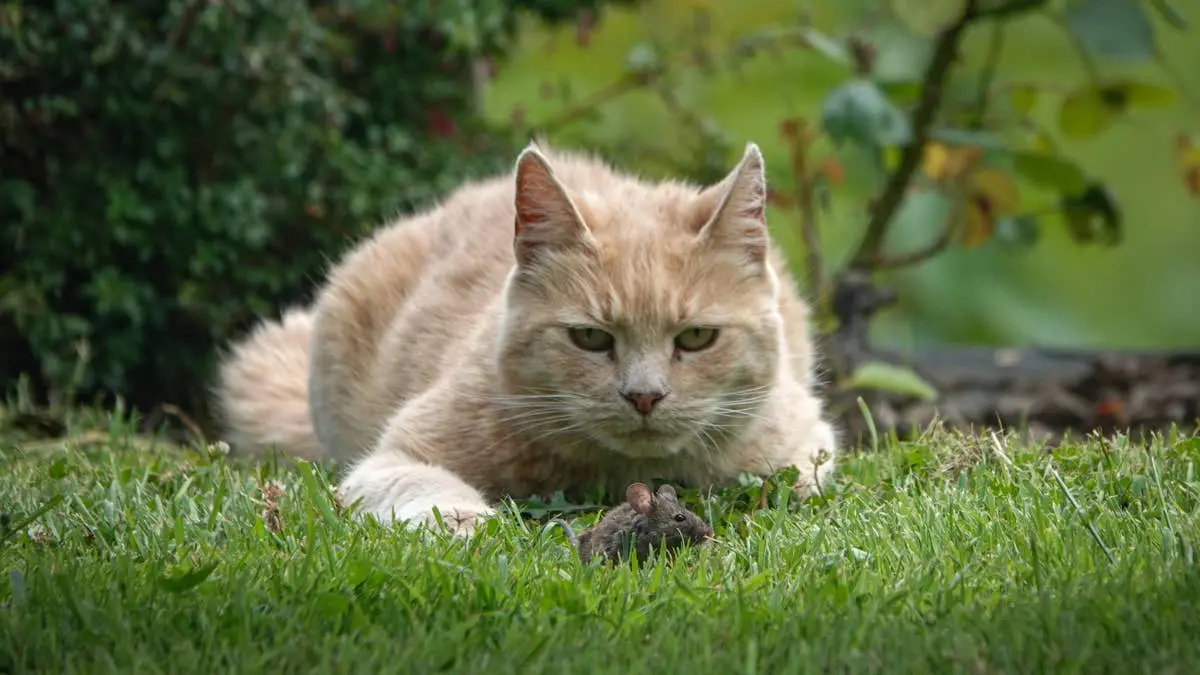
Orange Cat’s Half‑Baked Hunt Turns Viral Comedy
The Science Behind the Slip‑Up
A fluffy orange tomcat was filmed this week prowling the backyard of a suburban home in the United States, intent on catching a lone pigeon that had settled on a low branch. The owner captured the scene on TikTok, and the short clip quickly amassed millions of views as viewers watched the cat’s focus waver and the bird remain unscathed.
Latest news
 Rescue Dog Shows Gratitude to Every Person Helping Her Heal
 Family Adopts Terminally Ill St. Bernard After Her Human Passes Away
 Neighbors Take Action After Town Ignores Abused Dog
 Retired Firefighter Reunited with Lost Dogs During Live Interview
The video shows the cat crouched in the shrubbery, eyes locked on the unsuspecting pigeon. For a few tense seconds the feline appears ready to pounce, but then a sudden distraction—likely a rustle of leaves or a passing insect—breaks its concentration. The cat abandons the chase, saunters away, and the pigeon flutters off unharmed. The owner’s commentary, „He was trying to provide for his family,” added a humorous spin that resonated with pet lovers worldwide, prompting countless memes and replay loops.
Experts note that domestic cats retain many of their wild hunting instincts, yet they are also easily sidetracked by environmental stimuli. Dr. Lena Morales, a veterinary behaviorist, explains, „A cat’s attention span can shift in an instant when something novel catches its eye. In a controlled backyard, a sudden movement can be enough to abort a predatory sequence.” The TikTok clip illustrates this perfectly: the cat’s initial stalking posture follows classic predatory behavior—low crouch, slow tail flick, focused stare—only to be interrupted by a minor disturbance. This pattern is common among indoor‑outdoor cats who balance instinct with the safety of a human‑dominated environment.
Why Did the Internet Go Wild Over a Simple Cat Video?
The pigeon, a common urban bird, often serves as an easy target for neighborhood cats. However, pigeons possess quick reflexes and strong flight muscles, making them challenging prey. In this case, the bird’s calm perch and the cat’s momentary lapse created a comedic tableau rather than a lethal encounter. The incident underscores how domestic cats, despite their predatory heritage, often fail to secure a meal when faced with real‑world variables.
The clip’s rapid spread can be traced to a blend of relatability and humor. Social media users frequently share animal moments that showcase pets behaving like humans—here, the cat’s „attempt to provide for his family” mirrors a human’s earnest but flawed effort to meet responsibilities. Moreover, the short, loopable format of TikTok amplifies the comedic timing, allowing viewers to replay the cat’s sudden distraction again and again. Comment sections filled with jokes about „cat logic” and „bird smugness,” further fueling engagement. The video also tapped into a broader trend of pet content dominating online platforms, where viewers seek lighthearted relief from daily stress.
The viral nature of the post has broader implications for pet owners. Increased visibility of hunting behavior may prompt discussions about outdoor access for cats, the impact on local wildlife, and responsible pet ownership. While many viewers enjoyed the humor, some animal welfare advocates used the moment to remind owners of the ecological footprint of free‑roaming cats, encouraging measures such as bell collars or supervised outdoor time.
Frequently Asked Questions
Is it normal for cats to abandon a hunt midway? Yes. Cats often lose focus if something else captures their attention, especially in an environment with many stimuli.
Do pigeons pose a real threat to backyard cats? Pigeons are not predators, but they can defend themselves with sharp beaks and quick flight, making them difficult prey for inexperienced hunters.
Should owners let cats roam outside to hunt? While outdoor access satisfies natural instincts, it can endanger both the cat and local wildlife. Supervised outings or enclosed catios are safer alternatives.