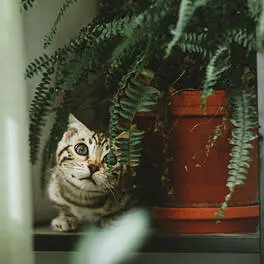
Nine Cat-Safe Houseplants for Pet Owners
Selecting Non-Toxic Greenery for Your Home
Indoor plants add life to living spaces, but many common varieties pose risks to felines. Cat owners often worry about toxic leaves or roots. This guide highlights nine specific plants that are safe for curious cats. These choices allow households to enjoy greenery without constant vigilance. Pet lovers can now decorate their homes with confidence. The selection focuses on species known to be non-toxic to domestic cats.
Latest news
 Man Saves Puppies from Well, Then Cleans Up the Mess
 A Grieving Pit Bull Finds New Purpose After Adopting An Orphaned Puppy
 Joyful Reunion Brings Tears to a Young Girl After Two Months Apart
 A Devoted Pet Owner Finds Hope After Tragedy Strikes in Florida
Choosing the right plants requires understanding which species are harmless. Some popular houseplants contain compounds that upset a cat’s stomach if ingested. Safe options include spider plants, which feature long, arching leaves. They are durable and easy to maintain in low light conditions. Another excellent choice is the Boston fern. Its delicate fronds add texture to shelves and hanging baskets. Cats rarely chew on ferns, making them a low-risk addition. The parlor palm is also a top pick for indoor environments. It thrives in bright, indirect light and grows slowly. This slow growth rate means less frequent repotting for busy owners. Additionally, the African violet offers small, colorful blooms. These compact plants fit well on desks or windowsills. They require minimal water and provide consistent color throughout the year.
Why Do Cats Chew Plants?
Cats investigate their environment through taste and touch. Chewing on plants can be a way to explore textures. It may also help with digestion or relieve boredom. Providing safe plants reduces the urge to nibble on toxic ones. Owners should still monitor interactions to prevent overconsumption. If a cat eats too much plant material, it might experience mild digestive upset. However, the risk of severe poisoning is significantly lower with these nine selections. The peace lily is often cited as toxic, so avoid it. Instead, opt for the calathea, which has striking leaf patterns. Calathea leaves are broad and soft, appealing to visual aesthetics. Another safe option is the pothos, though some debate its safety. Most experts agree that small amounts are generally tolerated. For stricter safety, consider the string of pearls. This succulent features bead-like leaves that drape beautifully.
It requires very little water, making it ideal for forgetful plant parents. Finally, the prayer plant folds its leaves at night. This unique movement adds dynamic interest to any room. All these plants resist fungal issues when cared for properly.
Are spider plants safe for kittens? Yes, spider plants are non-toxic to all cats, including kittens. Their tough leaves are difficult to digest, which naturally limits how much a kitten will eat.
Frequently Asked Questions
How do I keep cats away from soil? Place pebbles or mulch on top of the soil. This barrier discourages digging and prevents cats from playing in the dirt.
Do safe plants need special fertilizers? No, standard houseplant fertilizer works well. Apply it during the growing season to support healthy leaf development.
Content written by The Cat's Meow Rescue - Blog for galore-pets.com editorial team, AI-assisted.