National Feral Cat Awareness Month: Understanding and Helping Community Cats
Understanding Feral and Community Cats
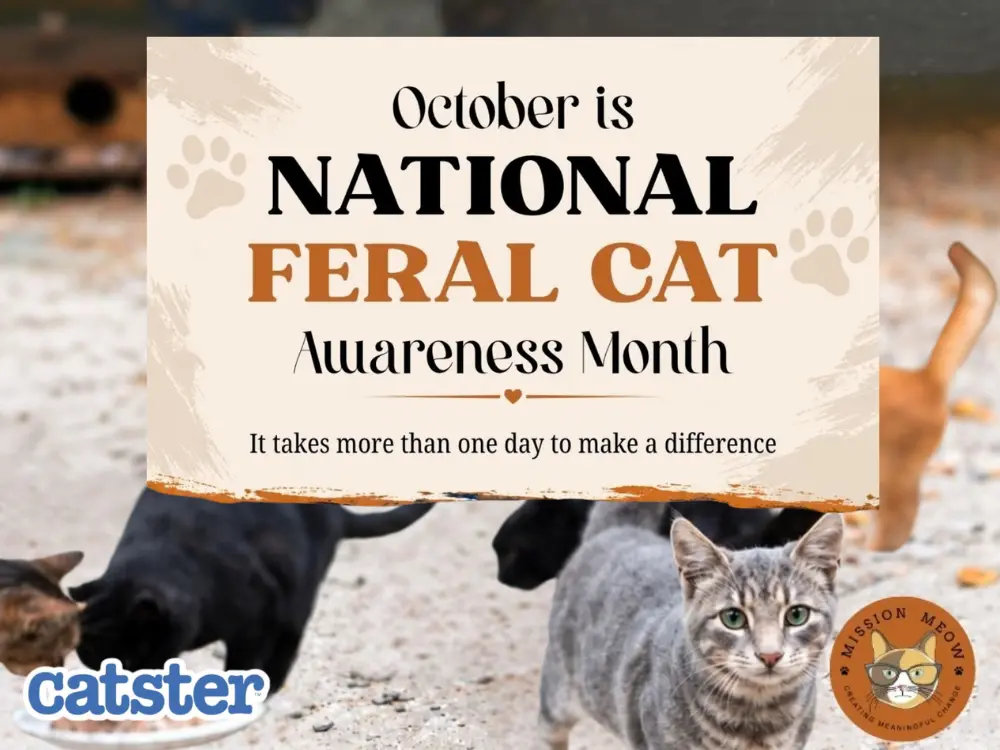
Although October 16 has been recognized since 2001 when Alley Cat Allies instituted National Feral Cat Awareness Day, Catster believes a single 24-hour period is insufficient to create real change. We support Mission: Meow’s campaign to expand the effort throughout October as a period of education and active support. The goal is to provide a platform for people to learn more about the lives of these felines, the daily barriers they face, and how communities can interact with them responsibly. These cats, which predominantly live outdoors and have limited contact with humans, remain essential components of many communities, deserving attention, care, and compassion from those around them. Correctly defining these categories is crucial: feral cats are, in fact, unowned domestic cats that tend to avoid close interaction with people.
Latest news
 Rescue Dog Shows Gratitude to Every Person Helping Her Heal
 Family Adopts Terminally Ill St. Bernard After Her Human Passes Away
 Neighbors Take Action After Town Ignores Abused Dog
 Retired Firefighter Reunited with Lost Dogs During Live Interview
Their origins vary; some were born directly in the outdoor environment, while others became feral after losing regular contact with human owners or caregivers. The term „community cats” covers a broader range, including not only feral cats but also friendly strays or other felines that roam freely and depend on resources available outside buildings. TNR Programs and Their Impact Among the most widespread and effective strategies for managing feral cat populations is the TNR program, known as trap-neuter-return. In these initiatives, animals are humanely trapped, subjected to spay or neuter surgeries, vaccinated against major diseases, and then returned to their usual outdoor habitat. This method helps prevent the appearance of new kittens while allowing cats uncomfortable in indoor settings to remain in familiar surroundings.
Through surgical sterilization, TNR programs gradually reduce the number of feral cats without resorting to elimination or disturbing the structure of existing colonies. Education and Safe Interaction National Feral Cat Awareness Month also offers an excellent opportunity to learn safe interaction techniques with community cats, support local efforts to implement TNR programs, and identify signs indicating the need for additional intervention or veterinary assistance. To facilitate access to accurate and useful information, Catster has compiled a series of specialized resources covering topics such as caring for feral cats, details of TNR programs, and related subjects, thereby easing the learning process and support for felines living outdoors. Ongoing Discussions and Ethical Considerations In the context of 2026, the celebration of National Feral Cat Awareness Day continues to grow, and ethical discussions regarding these programs remain current.
Frequent questions arise about the ethics of trapping and sterilizing
Frequent questions arise about the ethics of trapping and sterilizing, detailed steps verified by veterinarians for safely trapping a feral animal, and clarifications regarding the adoption of cats already marked by ear-tipping, a standard practice in TNR. Community projects such as „Catnip Nation” aim to enhance public understanding of the mutual benefits of TNR, demonstrating how such initiatives have helped both cats and veterinary medicine students. However, critical debates persist, including analysis of some rabies studies recommending the killing of stray cats in favor of TNR, as well as legal aspects related to the lawful trapping of cats on private property or their relocation, which may be prohibited or dangerous if not carried out correctly. Understanding Colony Structure and Identification Understanding the fundamentals of these animals is vital to seeing the bigger picture. What exactly constitutes a feral cat colony and how can we help?
What are the concrete differences between a community cat, a feral cat, and a stray, according to veterinary expertise? How can we determine if a particular feline is truly feral, based on seven key questions, and what characterizes a semi-feral cat that may be domesticated? Knowing 14 remarkable facts about these animals and debunking nine common myths helps form a balanced perspective. 2026 data on the population of stray and feral cats in the United States provides statistical context, while analysis of their risks and benefits to the environment—including the dilemma related to impact on wildlife and the specific issue on Hawaiian islands—completes the picture.
The potential of biological solutions is also explored, such as the role of a small Australian marsupial in population control, and the time required for a domestic cat to become feral, according to veterinary assessments. Care and Feeding as Community Support Caring for and feeding these animals represents a pillar of community support. Deciding to care for a feral cat requires careful analysis based on veterinarian-approved advice to understand what these animals truly need from those who provide food. There are specific guides for choosing appropriate food for a colony, with 12 specialist-approved tips, and reviews of the best food products in 2026. Special situations, such as feeding during the owner’s vacation or winter survival, require dedicated strategies, including eight winter tips and five tricks for cooling during summer. Installing shelters and attracting cats to them involves eight verified tips from veterans, and coexistence with