Healthy Feline: Essential Wellness Picks for Cats
Why Healthspan Matters More Than Longevity
A new guide released by a leading pet publication highlights key products and practices that can extend a cat’s healthspan. The recommendations are tailored for owners who want more than just a longer life for their pets; they aim to keep cats active, content, and disease‑free well into their senior years.
Latest news
 Rescue Dog Shows Gratitude to Every Person Helping Her Heal
 Family Adopts Terminally Ill St. Bernard After Her Human Passes Away
 Neighbors Take Action After Town Ignores Abused Dog
 Retired Firefighter Reunited with Lost Dogs During Live Interview
The guide, published in the fall/winter edition of a well‑known feline magazine, focuses on everyday items—from nutrition to grooming—that support longevity. It also explains why maintaining a cat’s quality of life is as important as increasing lifespan.
Top Picks for Daily Wellness
Veterinary experts argue that a longer life is meaningless if a cat spends most of it in pain or discomfort. Healthspan refers to the period when a cat is energetic, playful, and free from chronic conditions. The guide stresses that owners should monitor behavior changes, appetite, and activity levels to catch early signs of disease. Regular veterinary check‑ups, balanced diets, and mental stimulation are cited as foundational pillars for a robust healthspan.
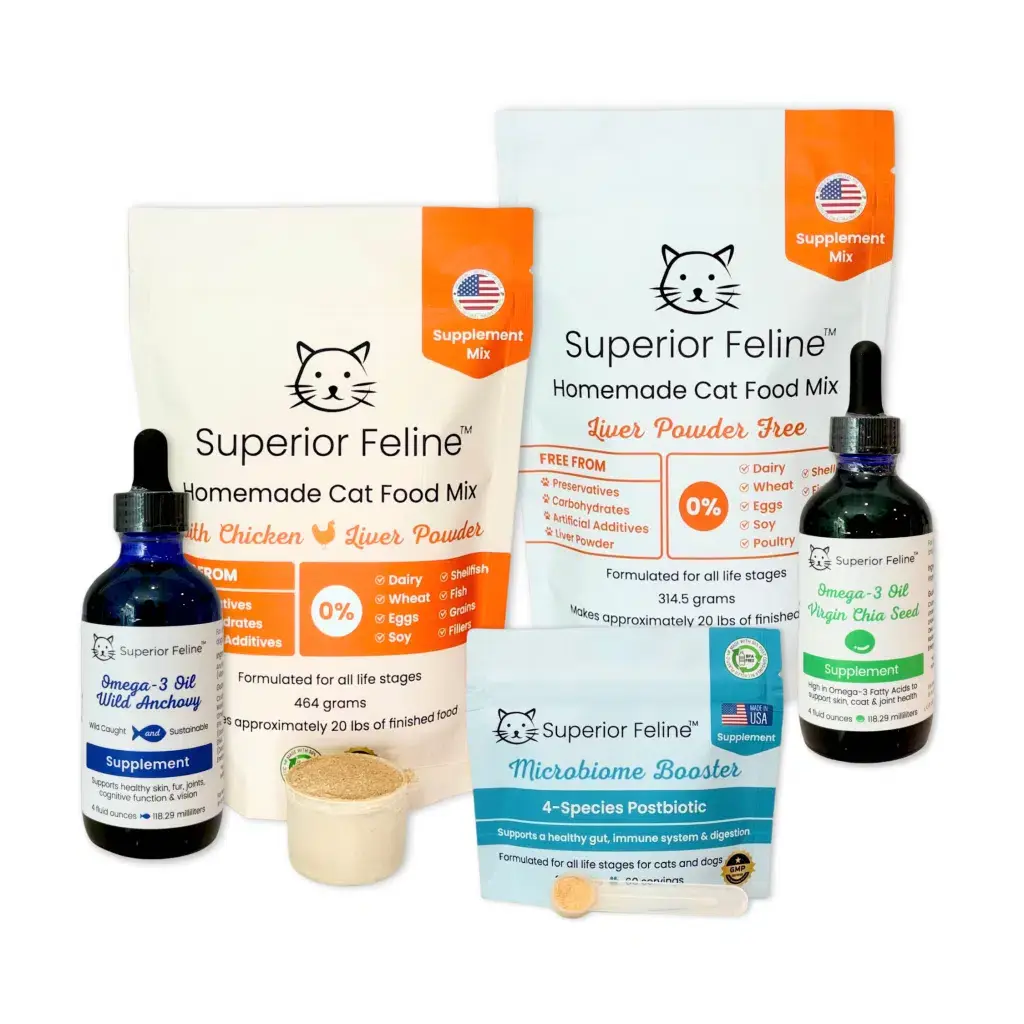
The publication lists several products that have shown measurable benefits in clinical trials. A premium wet food blend, enriched with omega‑3 fatty acids, is recommended for joint health. A high‑fiber dry kibble helps prevent hairball formation and promotes digestive regularity. For indoor cats, a multi‑layered scratching post encourages natural claw maintenance and reduces furniture damage. The guide also suggests a gentle, hypoallergenic grooming spray that reduces skin irritation in sensitive breeds.
Owners are advised to introduce new items gradually, monitoring for allergies or digestive upset. The article includes a short interview with a feline nutritionist who explains how protein quality and caloric balance affect aging. She notes that over‑feeding can accelerate kidney strain, while under‑feeding may lead to frailty.
How to Measure Success: Is Your Cat’s Healthspan Improving?
The guide offers a simple checklist for owners: daily weight monitoring, weekly grooming sessions, and monthly veterinary evaluations. It also encourages the use of a digital activity tracker that records playtime and rest periods. By comparing data over several months, owners can see if interventions are working. The article cites a case study where a senior cat’s mobility improved after switching to a joint‑support diet and adding daily playtime.
The final section warns that neglecting early signs of illness can lead to costly treatments later. It encourages readers to view wellness products as preventive tools rather than cures. By investing in the right nutrition, grooming, and enrichment, owners can help their cats enjoy a longer, happier life.
What is the difference between lifespan and healthspan? Lifespan is the total number of years a cat lives. Healthspan is the portion of that time when the cat remains active, pain‑free, and free from chronic disease.
Frequently Asked Questions
Which diet is best for senior cats? A diet high in omega‑3 fatty acids and moderate protein, with added fiber, supports joint health, digestion, and overall vitality in older cats.
How often should I check my cat’s weight? We recommend monthly weigh‑ins at home or during routine vet visits to catch weight loss or gain early and adjust feeding accordingly.