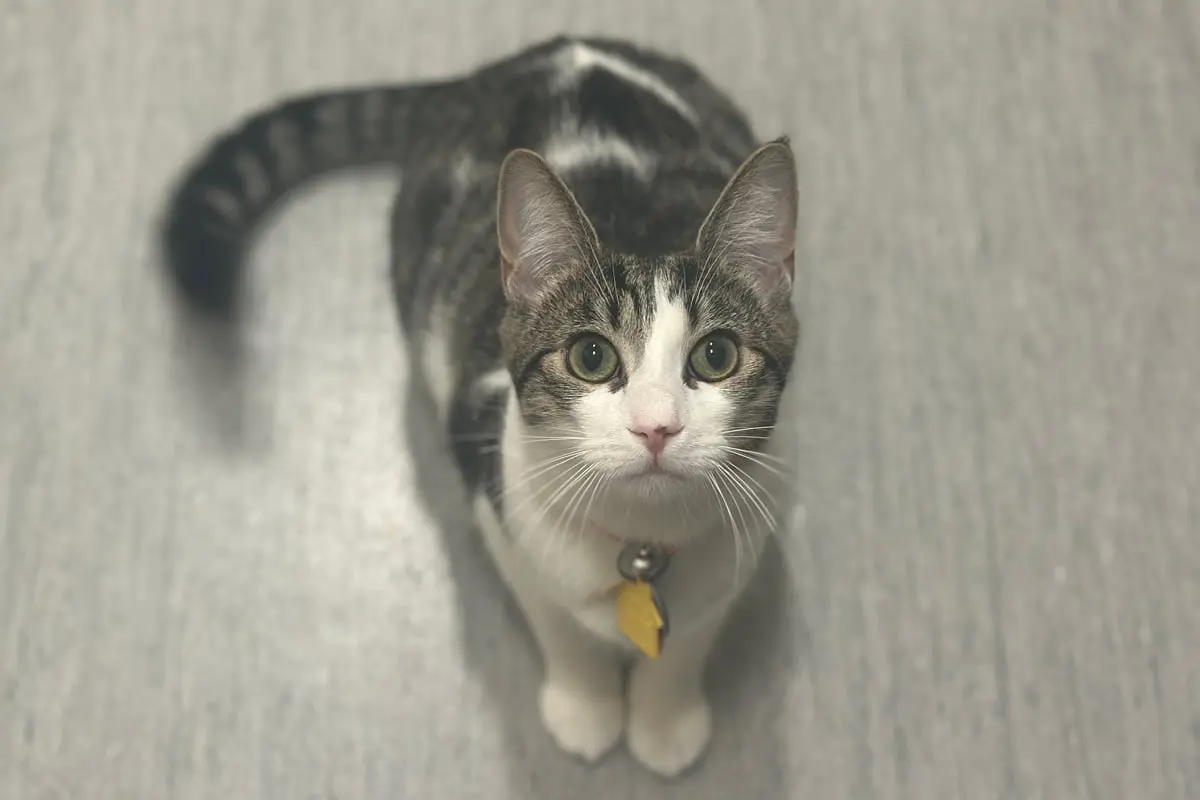
FIP Treatment Offers Hope for Infected Cats
Antiviral Protocols Change the Clinical Landscape
Veterinary specialists have developed new protocols to manage Feline Infectious Peritonitis, shifting the prognosis from fatal to treatable for many patients. This breakthrough affects thousands of cats annually, particularly those in multi-cat households or shelters. The condition previously carried a near-universal death sentence, but modern antiviral therapies now offer a viable path to recovery. Owners report significant improvements in their pets' quality of life following consistent medication regimens over several months.
Latest news
 Rescue Dog Shows Gratitude to Every Person Helping Her Heal
 Family Adopts Terminally Ill St. Bernard After Her Human Passes Away
 Neighbors Take Action After Town Ignores Abused Dog
 Retired Firefighter Reunited with Lost Dogs During Live Interview
The disease stems from a mutation in the common feline coronavirus. This viral change triggers severe inflammation within the body. The immune system responds aggressively, attacking healthy tissues instead of just the virus. Inflammation can settle in the abdomen, chest cavity, or nervous system. Young cats face the highest risk due to developing immune systems. The virus spreads easily through close contact with infected cats.
Recent studies highlight the efficacy of specific nucleoside analogues in halting viral replication. These drugs interfere with the virus's ability to copy itself inside host cells. Veterinary teams monitor blood work closely during treatment. They adjust dosages based on the cat's weight and response. Consistency is critical; missing doses can allow the virus to rebound. Many clinics now offer specialized FIP care packages. This includes regular lab testing and medication management. The goal is to suppress the virus until the immune system stabilizes.
How Does This Discovery Affect Shelters?
Owners must commit to a long-term regimen. Treatment often lasts eight weeks or longer. Some cases require extended therapy to prevent relapse. Financial costs remain a barrier for some families. However, the success rate has improved dramatically compared to historical averages. Cats that survive the initial phase often live normal lifespans. They show no lingering signs of the disease after completion.
Shelters house large numbers of kittens at high risk. Group living increases transmission rates among residents. New screening methods help identify potential carriers early. Isolation protocols have become standard practice in many facilities. Staff receive training on recognizing early symptoms. This includes fever, lethargy, and abdominal swelling. Early intervention saves lives that would otherwise be lost. Shelters now collaborate with veterinary universities to refine these methods. Data sharing helps track regional trends in infection rates. This collective effort reduces the overall burden on animal welfare organizations.
Frequently Asked Questions
The future looks optimistic for the feline community. Research continues to refine existing treatments for better accessibility. Scientists aim to develop vaccines to prevent infection entirely. Current efforts focus on reducing side effects and treatment duration. Pet owners should consult veterinarians about current options. Understanding the disease empowers them to act quickly. Early diagnosis remains the single most important factor in survival. As awareness grows, more cats will receive timely care. The stigma surrounding FIP is fading rapidly.
Is FIP always fatal? No, it is not. With proper antiviral treatment, many cats recover fully. Outcomes depend heavily on early diagnosis and adherence to the prescribed medication schedule.
How is the virus transmitted? The feline coronavirus spreads through close contact with infected animals. It travels via saliva, feces, and respiratory droplets. Kittens in crowded environments are most vulnerable to exposure.