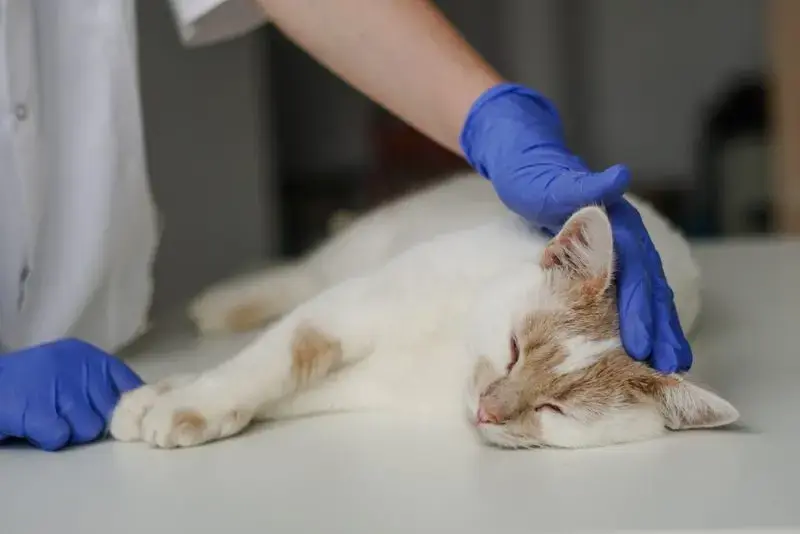
Feline Diabetes: Recognizing the Signs
Why Are Cats Developing Diabetes?
Approximately one percent of cats will develop diabetes during their lives. This isn’t a condition limited to unhealthy animals. Many veterinarians encounter diabetic cats frequently. Owners should be aware of early symptoms to ensure prompt treatment.
Latest news
 Rescue Dog Shows Gratitude to Every Person Helping Her Heal
 Family Adopts Terminally Ill St. Bernard After Her Human Passes Away
 Neighbors Take Action After Town Ignores Abused Dog
 Retired Firefighter Reunited with Lost Dogs During Live Interview
Diabetes in cats occurs when the body doesn’t produce enough insulin. Insulin regulates blood sugar. Without enough, glucose builds up in the bloodstream. This can lead to various health problems if left unchecked. It’s becoming increasingly common, mirroring trends in human diabetes.
The early indicators of feline diabetes can be subtle. Increased thirst and urination are common first signs. Cats may drink more water and visit the litter box more often. Owners might dismiss this as a change in habit. Weight loss, despite a normal or increased appetite, is another key symptom.
Can Diet Play a Role in Prevention?
These changes happen gradually. A cat might seem fine one day, then slowly start exhibiting these behaviors. This makes early detection difficult. Vets emphasize the importance of routine checkups. They can identify subtle changes before they become severe. Blood and urine tests confirm a diagnosis.
Obesity is a significant risk factor for feline diabetes. Overweight cats are more likely to develop insulin resistance. This means their bodies don’t respond effectively to insulin. A high-protein, low-carbohydrate diet can help manage weight. It also supports better blood sugar control.
Regular exercise is also crucial. Playtime and environmental enrichment can help cats stay active. These lifestyle changes can significantly reduce the risk of developing diabetes. Early intervention is key to managing the condition. Treatment usually involves insulin injections and dietary adjustments.
If left untreated, feline diabetes can lead to serious complications. Nerve damage, kidney failure, and even diabetic ketoacidosis are possible. Ketoacidosis is a life-threatening condition requiring immediate veterinary care. With proper management, diabetic cats can live long and healthy lives. Regular monitoring and consistent care are essential.
Frequently Asked Questions
What is the typical lifespan of a diabetic cat? With diligent care, including insulin therapy and a proper diet, many diabetic cats can live for several years. Their lifespan can be comparable to non-diabetic cats, though they require ongoing veterinary attention.
Are certain breeds more prone to diabetes? Burmese cats appear to have a higher predisposition to developing diabetes. However, any cat can develop the condition, regardless of breed. Obesity and lifestyle factors are more significant risk factors.
How often should I take my cat to the vet for checkups? Healthy cats should have annual checkups. Cats with diabetes require more frequent visits – potentially every few weeks – to monitor their condition and adjust treatment as needed.