Common Flea Pill Capstar’s Active Ingredient Repurposed to Fight New World Screwworm
New Emergency Use Authorization Expands Nitenpyram’s Role
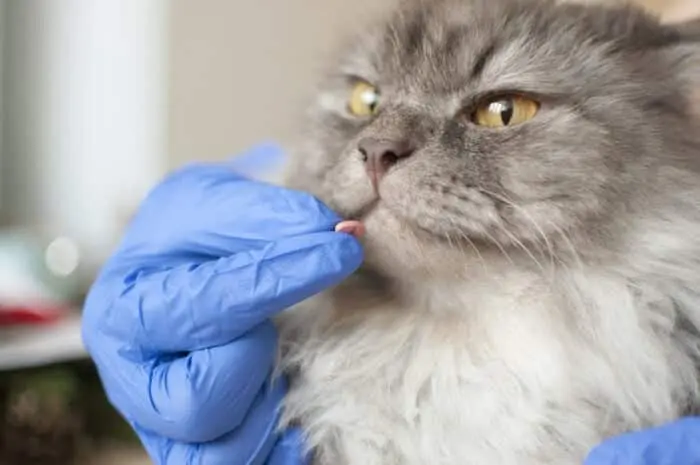
Under an Emergency Use Authorization (EUA) issued by the U. S. Food and Drug Administration on September 3, 2026, nitenpyram tablets can be used off-label to prevent and treat screwworm infestations in kittens, cats, dogs, and puppies. This fills a critical gap, as previous preventive options for pets were limited. It gives veterinarians another tool while broader efforts to control the pest continue.
Latest news
 Rescue Dog Shows Gratitude to Every Person Helping Her Heal
 Family Adopts Terminally Ill St. Bernard After Her Human Passes Away
 Neighbors Take Action After Town Ignores Abused Dog
 Retired Firefighter Reunited with Lost Dogs During Live Interview
Understanding the New World Screwworm
Despite its alarming name, the New World screwworm is not a worm. It is a fly: Cochliomyia hominivorax . The „worm” part refers to its larvae, or maggots. This fly is particularly dangerous. Female flies lay eggs near wounds, but they may also target vulnerable areas like the eyes, nose, mouth, and other mucous membranes. When the eggs hatch, the larvae begin feeding. Unlike harmless maggots found in garbage or decaying food, screwworm larvae feed on living tissue. They burrow deep into the affected area as they grow. A small wound can quickly become a serious internal problem. Without prompt treatment, infestations can cause severe tissue damage and even death.
Why This Matters Now
The New World screwworm has been detected in the United States, while Mexico and other regional countries continue to battle the parasite. The USDA maintains monitoring and response efforts, including in Texas, where „infestation zones” have been established. The concern extends beyond individual animals. Screwworm can severely impact the pet industry economically. Infected animals may lose weight, require additional treatment and care, or die. During a 1976 outbreak in Texas, producers spent an estimated $132.1 million fighting the parasite, equivalent to roughly $740 million in 2024. More recently, disruptions to live cattle exports from Mexico cost that country’s sector $1.8 billion. This is why so much effort goes into preventing the fly’s spread. It’s not just about animal health—it’s about protecting the entire food production system.
Scientifically, the strategy is not simply „find the insects and eliminate them.” Screwworm control requires a broader effort. Authorities use monitoring, movement controls, barriers, and other measures, along with one particularly interesting tool: the release of sterile flies. The concept is straightforward. Sterile male flies are released in affected areas, where they compete with fertile males for mating. When a sterile male mates with a female, she produces no viable offspring. Over time, this can significantly weaken the wild screwworm population.
Controlling the Spread
This does not mean you should panic every time your cat goes missing. Where a cat lives, whether it stays indoors or spends time in an area where screwworm is present, makes all the difference. For cats that travel to or return from affected areas, extra caution is warranted. With screwworm, the goal is to understand the risk before exposure and, if possible, stay one step ahead of the fly. Since cats are experts at hiding injuries, even small cuts, scratches, or tears in skin can easily go unnoticed under their fur—especially in outdoor cats. A wound can become an invitation for a female fly to lay eggs, and the hatched larvae will feed on living tissue. Infested cats may show non-healing wounds, visible maggots, unusual odors, or discharge. Any of these signs require immediate veterinary attention.
What This Means for Pet Owners
If you live near a known screwworm detection zone or have traveled there, be sure to mention it to your veterinarian.
Should You Give Your Cat Capstar?
Not necessarily. This does not mean Capstar should become part of every cat’s routine parasite prevention plan. As a flea treatment, it is highly effective at quickly killing adult fleas, but it does not provide long-term flea control. A cat living indoors in an area where screwworm is absent faces very different risks than one that travels to affected regions or spends time outdoors there. Your veterinarian can help determine whether your individual situation calls for this medication. In the case of screwworm, Capstar is used under the Emergency Use Authorization, not standard FDA-approved protocols. There are specific instructions regarding timing and administration.