Color-Changing Cat Litter: A Health Monitor for Your Pet
How the Colors Signal Health Issues
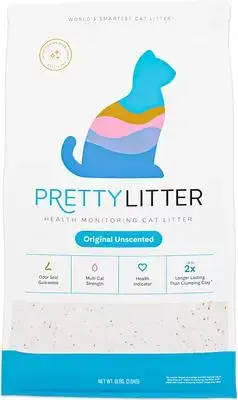
Cat owners can now monitor their pet's health through a revolutionary silica gel litter that changes color based on urine pH levels. Pretty Litter is a vet-led innovation designed to provide a passive at-home health check.
Latest news
 Rescue Dog Shows Gratitude to Every Person Helping Her Heal
 Family Adopts Terminally Ill St. Bernard After Her Human Passes Away
 Neighbors Take Action After Town Ignores Abused Dog
 Retired Firefighter Reunited with Lost Dogs During Live Interview
The litter works by changing color in response to the acidity or alkalinity of a cat's urine, giving owners a potential early warning system for health issues.
Is This Litter a Game-Changer for Cat Health?
Yellow to olive green indicates normal urine pH, while blue may signal a urinary tract infection or alkaline urine. Orange suggests acidic urine, and red indicates the presence of blood in the urine. It's essential to note that Pretty Litter is a monitoring aid, not a diagnostic tool.
Vets can use the information gathered from the litter to make informed decisions about a cat's health. For instance, a persistent color change could prompt a visit to the vet for further investigation.
While Pretty Litter is not a replacement for regular veterinary check-ups, it can provide valuable insights into a cat's health between visits. By monitoring changes in the litter's color, owners can identify potential issues early on.
Frequently Asked Questions
The consequences of using Pretty Litter could be significant, enabling cat owners to detect health problems earlier and potentially improving treatment outcomes. As the pet care industry continues to evolve, innovations like Pretty Litter are likely to become increasingly important.
What does it mean if the litter turns blue? A blue color may indicate a urinary tract infection or alkaline urine, and a vet visit is recommended. Can Pretty Litter diagnose health issues? No, it is a monitoring aid, not a diagnostic tool, and should be used in conjunction with regular veterinary check-ups. How often should I check the litter's color? It's a good idea to check the color daily to catch any changes early.