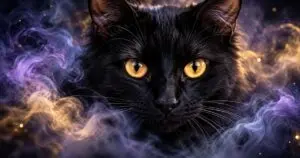
Celebrating Black Cats: History, Mystery, and Magic
From Shadow to Spotlight: Artistic Reinterpretations
Black cats have long been burdened with myths that paint them as omens of bad luck, witches’ companions, or spooky apparitions. Yet these sleek felines have also inspired reverence, folklore, and artistic tribute across cultures. A recent feature highlights thirteen distinct works that honor the enigmatic allure of black cats, showcasing paintings, sculptures, and literary pieces that reframe the animal’s reputation.
Latest news
 Man Saves Puppies from Well, Then Cleans Up the Mess
 A Grieving Pit Bull Finds New Purpose After Adopting An Orphaned Puppy
 Joyful Reunion Brings Tears to a Young Girl After Two Months Apart
 A Devoted Pet Owner Finds Hope After Tragedy Strikes in Florida
The collection draws from centuries of storytelling, from medieval superstition to modern pop culture, illustrating how artists and writers have reclaimed the black cat’s image. By emphasizing themes of resilience, mystery, and enchantment, the works challenge outdated prejudices and invite viewers to see the animal as a symbol of elegance and power. The pieces span various media, each offering a fresh perspective on why black cats continue to captivate human imagination.
One painting in the series depicts a midnight‑black feline perched atop a moonlit rooftop, its eyes glowing like twin lanterns. The artist explains that the cat represents „the night’s quiet guardian, watching over dreams.” A bronze sculpture, meanwhile, captures a sleek cat mid‑leap, its form frozen in motion to convey agility and confidence. Critics note that such works shift the narrative from superstition to admiration, encouraging audiences to appreciate the animal’s natural beauty rather than its folklore.
Why Do Black Cats Still Haunt Popular Culture?
Literary contributions include a short story where a black cat serves as a guide through a labyrinth of forgotten memories, symbolizing the journey toward self‑discovery. The author remarks that the cat’s darkness mirrors the hidden parts of the human psyche, turning fear into curiosity. Together, these creations form a tapestry that celebrates the black cat’s role as both muse and metaphor.
The lingering association of black cats with bad luck stems from medieval Europe, when they were linked to witchcraft and the night’s unknown dangers. Over time, this stigma persisted in folklore, sports superstitions, and even modern media. However, recent cultural shifts have begun to overturn these notions. Pet adoption campaigns feature black cats prominently, highlighting their calm temperament and striking appearance. Social media trends showcase black cats in whimsical settings, turning former fears into affectionate memes.
The renewed interest also reflects a broader societal move toward embracing the „other.” As people seek symbols of resilience against prejudice, the black cat emerges as an unlikely champion. Its dual identity—both feared and adored—offers a compelling narrative for artists, activists, and everyday cat lovers alike.
The growing appreciation for black cats may influence adoption rates, reduce animal shelter euthanasia, and inspire further creative works. As more voices celebrate the feline’s mystique, the old superstitions could fade, leaving space for a richer, more inclusive cultural memory.
Frequently Asked Questions
What historical events contributed to the black cat’s negative reputation? During the Middle Ages, black cats were often accused of being witches’ familiars, a belief that spread through Europe and later to the Americas, cementing their image as omens of misfortune.
How are modern artists redefining the black cat’s image? Contemporary creators use paintings, sculptures, and stories to highlight the cat’s elegance, mystery, and symbolic strength, turning fear‑based myths into celebrations of beauty and resilience.
Can increased visibility of black cats improve adoption rates? Yes, campaigns that showcase black cats in positive, artistic contexts have been shown to boost public interest, leading to higher adoption numbers and reduced shelter euthanasia rates.
Content written by Arlene Divina for galore-pets.com editorial team, AI-assisted.