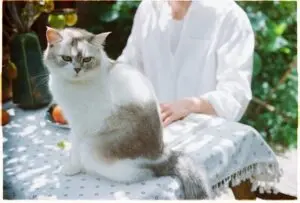
Cats Who Choose Your Side: 13 Ways They Show They Love Your Presence
A Quiet Companion: The „Follow‑Me” Habit
A cat that follows you through the house, settles beside your laptop, and curls up in your bed each night is clearly drawn to your company. Pet owners often wonder whether the animal is seeking food, warmth, or simply the comfort of being near their human. Understanding the subtle signals can deepen the bond between cat and owner.
Latest news
 Rescue Dog Shows Gratitude to Every Person Helping Her Heal
 Family Adopts Terminally Ill St. Bernard After Her Human Passes Away
 Neighbors Take Action After Town Ignores Abused Dog
 Retired Firefighter Reunited with Lost Dogs During Live Interview
The „Lap Cat” Ritual: Why Your Sofa Is Their Favorite Spot
When a feline consistently seeks proximity, it signals a strong attachment. Cats are naturally independent, yet they form close connections with humans who provide food, shelter, and affection. The choice to stay close, especially when other rooms or toys are available, reflects a preference for the human’s presence over other stimuli.
Cats that trail you from room to room demonstrate trust and curiosity. This behavior often starts when a kitten learns that humans are safe and rewarding. Owners notice the cat’s tail held high, ears forward, and a soft purr that signals contentment. The animal may pause at the doorway, gently tap its head against your leg, or nudge its body against yours, inviting interaction. Such signals indicate that the cat feels secure and enjoys the human’s company.
Nighttime Nesting: The Foot of Your Bed
When a cat chooses to sit on your lap or beside you on the couch, it is a deliberate act of affection. Cats often seek warmth and comfort; a human’s body offers both. The cat may knead the surface with its paws, a behavior linked to kittenhood when kneading stimulated milk flow. This kneading, combined with a slow blink—often described as a „cat kiss”—shows deep trust and relaxation. The animal’s presence can also reduce stress for the owner, creating a calming, reciprocal relationship.
Vocal Invitations: Purring, Meowing, and Head‑Bumps
Cats that curl up at the foot of a bed each night are displaying a strong bond. The bed’s warmth and the owner’s breathing rhythm provide a sense of safety. This behavior may stem from instinctual nesting, but in domesticated cats it usually signals a desire to be close to a familiar human. The cat may purr softly, a low-frequency vibration that can soothe both the cat and the owner, reinforcing the nightly ritual.
The „Gift” of Scratches and Nibbles
Cats use vocal and physical cues to communicate affection. A gentle meow directed at the owner, a soft purr while being stroked, or a head‑butt against a hand are all signs that the cat enjoys interaction. These signals are often accompanied by a slow blink, another indicator of trust. When a cat speaks in these ways, it is essentially saying, „I feel safe and happy with you.”
Occasionally a cat may present a small toy or a bite of fur as a gift. This act is a form of bonding, mirroring how cats in the wild share prey with their companions. The gesture shows that the cat values the relationship and wants to share its resources, a clear sign of affection.
Tail‑Twitching and Ear Movement
A relaxed tail that gently sways or a calm ear position signals that a cat is comfortable. If the cat’s ears are angled toward you, it indicates attentiveness and interest. These subtle body language cues are often overlooked but are key to understanding a cat’s emotional state.
The „Playful” Approach
A cat that initiates play by batting at your hand or following a toy you throw is actively engaging with you. Play is a social activity that strengthens bonds. The cat’s enthusiasm reflects a desire to interact and enjoy shared moments.
When a cat licks your fingers or gently rubs against you, it is marking you with scent. This act of grooming is a sign of trust and affection. The cat’s tongue leaves a faint scent that helps reinforce the personal connection.
Consistent Grooming
Cats that remain calm and close during quiet evenings or early mornings demonstrate reliance on their human’s presence. The cat may rest on your lap or simply sit nearby, offering silent companionship. This behavior can improve the owner’s mood and provide a sense of shared solitude.
The „Quiet Companion” in the Quiet Hours
If a cat watches you as you move, it shows curiosity and engagement. The animal is observing its human’s actions, often mimicking or responding to them. This attentiveness indicates that the cat values the human’s presence and is interested in their activities.
The „Mirror” Behavior
During stressful events, a cat may seek proximity to its owner, curling up or rubbing against them. This behavior provides reassurance and helps calm both parties. The cat’s presence can act as a natural stress reliever for the human.
Some cats keep a quiet vigil at the edge of the bed or near the door. This protective stance shows that the cat feels responsible for the household and wants to keep the owner safe. The cat’s alertness is a form of affection and loyalty.
The „Comfort Seeker” in Times of Stress
Even though cats are known for their independence, a cat that chooses to spend time with you despite having other options demonstrates a balanced relationship. It respects its autonomy while still valuing human companionship. This duality is a hallmark of a healthy, affectionate bond.
The „Night Watcher”
These signs collectively illustrate a cat’s genuine enjoyment of human company. Recognizing them helps owners nurture a deeper, more trusting relationship, ensuring both the cat and human thrive together.
The „Independent Yet Loyal” Attitude
What should I do if my cat stops following me? Cats may change habits due to health issues or stress. Observe for signs of illness, consult a vet, and ensure a consistent routine to regain trust.
Is a cat’s purring always a sign of happiness? Not always. Cats may purr when they are anxious or in pain. Context and accompanying body language help determine the true emotion.
Frequently Asked Questions
Can a cat’s grooming of me be a sign of aggression? Generally, grooming is affectionate. However, if the cat licks excessively or shows signs of discomfort, it may indicate irritation or underlying health problems.